
Lieferung heute & morgen

Qualitätsgarantie

Willkommens-Angebote freischalten: KOSTENLOSE Lieferung | Bis zu 80 % RABATT | Kostenlose 30-Tage-JoyPlus-Testphase
App herunterladen
Combining vacuuming and mopping in a single device promises to be a significant time-saver for your household. However, the market for vacuum and mop combos is filled with marketing claims that often fail to deliver in practice. Many devices turn out to be costly bad investments because crucial details were overlooked. As your Joybuy Product Recommendation Officer, I'll help you identify the common pitfalls and make an informed decision.
Before you decide on a model, you should be aware of the three most common issues that lead to dissatisfaction.
To avoid these pitfalls, focus on three core parameters that determine real-world performance and daily convenience.
The effectiveness of the mopping function is directly linked to the mechanics it uses.
The ability of a robot vacuum and mop to move intelligently through a space is critical for cleaning efficiency.
The base station is more than just a charging dock. Its range of functions determines how much work the device truly saves you.
Based on these objective criteria, we have identified a few models that represent a well-thought-out solution for specific user profiles.
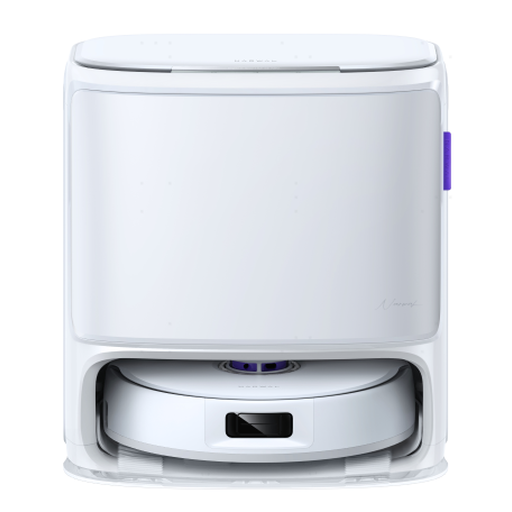
Why This Fits Their Persona: Ideal for users looking for a "set-and-forget" solution. The fully automated station handles all maintenance, from dust emptying to mop drying, reducing daily effort to a minimum.
Avoids the "hidden maintenance" trap with a station that washes and dries mops with hot water. The active mopping system with 8N of downward pressure also bypasses the "token mop feature" pitfall.
Fully automatic cleaning station; tangle-free brush system (DualFlow), ideal for pet hair; dynamic edge and corner cleaning.
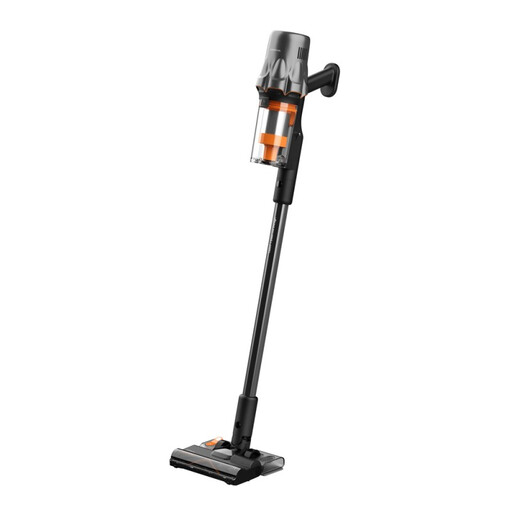
Why This Fits Their Persona: This cordless vacuum cleaner is a flexible alternative to a robot. It's suitable for users who want to clean specific areas and are looking for an all-in-one solution for quick, daily hard floor cleaning without investing in a fully automated system.
Bypasses the "overrated suction power" trap by combining balanced performance (155 AW) with a 9-cone cyclone system that maintains constant suction. Active user control prevents the ineffective mopping performance of passive robots.
Combined vacuum and mop head for wet and dry cleaning; long battery life (up to 60 min); green light dust detection to make fine dirt visible.
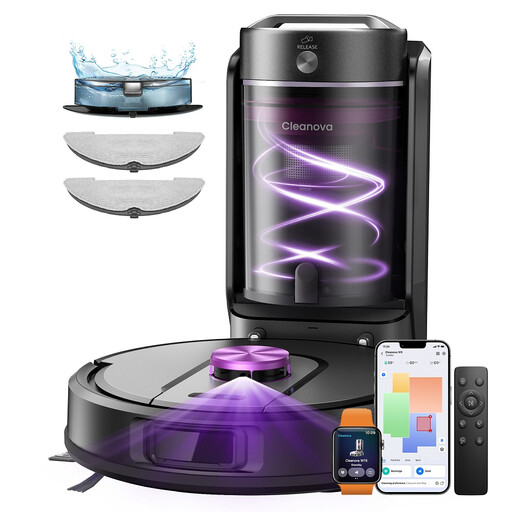
Why This Fits Their Persona: A great choice for households with pets and a focus on sustainability. The high suction power (10,000 Pa according to the manufacturer) is effective against pet hair, while the bagless auto-empty station eliminates the recurring cost of dust bags.
Directly addresses the "hidden costs" trap with its innovative, bagless auto-empty station. The precise LiDAR navigation ensures that the high suction power is used efficiently and no areas are missed.
Bagless auto-empty station (eco-friendly and cost-saving); 360° laser navigation for precise maps and routes; long runtime (up to 180 min) for large areas.
We have compiled a complete, up-to-date list of products that fully meet these strict selection criteria and rigorous safety standards.
It depends on the model. Basic wet-dry vacuums or hard floor cleaners are designed exclusively for hard floors. However, advanced robot vacuum and mops feature carpet detection. They automatically lift their mop pads or stop the water flow as soon as they move onto a carpet, while simultaneously increasing suction power. Check for this feature in the product specifications if you have mixed flooring.
The lifespan of consumables varies by manufacturer and frequency of use. As a general guideline:
An auto-empty station increases the upfront cost but offers a significant convenience upgrade, especially in large households or for pet owners. You no longer have to manually empty the robot's small dustbin every day. A fully automated station that also cleans and dries the mops reduces maintenance to just a few minutes every couple of weeks. For users aiming for maximum time savings and autonomy, the investment is often justified.