
Lieferung heute & morgen

Qualitätsgarantie

Willkommens-Angebote freischalten: KOSTENLOSE Lieferung | Bis zu 80 % RABATT | Kostenlose 30-Tage-JoyPlus-Testphase
App herunterladen
The idea is tempting: a single device that vacuums, mops, and then empties itself automatically. A robot vacuum with a mopping function and a self-emptying station promises just that—the ultimate in convenience and time-saving. However, the market is flooded with marketing claims that often fail to deliver in practice. Before you make a purchase, it's crucial to understand the common pitfalls that lead to frustration and a home that's never truly clean.
As your Joybuy Product Recommendation Officer, I'll help you correctly interpret technical specs and identify the features that truly matter for consistently reliable cleaning performance.
Many devices look impressive on paper, but their weaknesses quickly become apparent in daily use. Pay close attention to these three points to avoid a poor investment.
To separate the wheat from the chaff, focus on these three verifiable technical features. They are the foundation for efficient and autonomous cleaning.
The type of navigation determines how intelligently and systematically a robot cleans your home.
A spotless clean requires more than just suction power.
A mopping robot with a self-emptying station only achieves maximum autonomy when the station can do more than just empty dust. Look for the following features:
Instead of making a one-size-fits-all recommendation, we've selected models tailored to specific user profiles and their requirements.
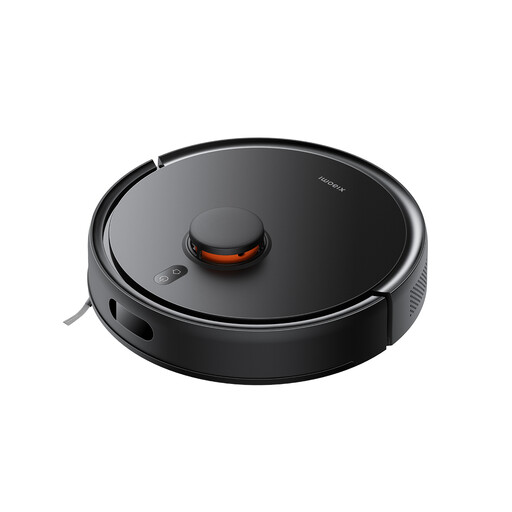
Why This Fits Their Persona: Ideal for users seeking top-tier navigation and reliable vacuuming and mopping performance, but who can forgo a fully automated station. It offers the core technology of more expensive models at a more accessible price.
It bypasses the pitfall of inadequate navigation by using precise LDS laser technology. Instead of chaotic movements, it delivers systematic, gap-free cleaning with exact mapping.
The 5000 Pa suction power is solid for hard floors and low-pile carpets. Its main advantage is the intelligent app control with room management and no-go zones, a feature often reserved for more expensive devices.
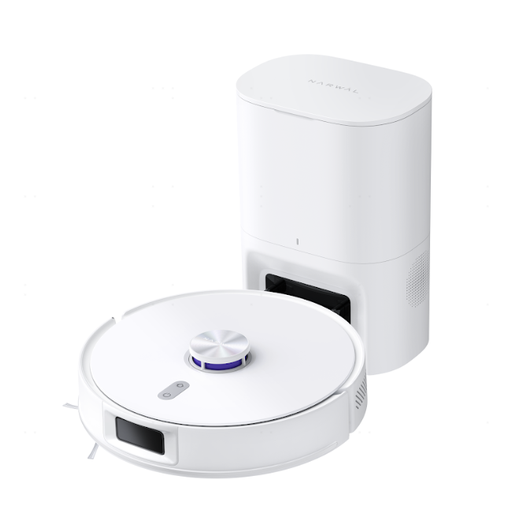
Why This Fits Their Persona: Designed for demanding environments, especially for pet owners. The high suction power and large self-emptying station significantly minimise daily maintenance.
It counters the misleading suction power pitfall with a verifiable 8000 Pa, which effectively picks up pet hair, crumbs, and cat litter. Furthermore, it avoids the "high-maintenance station" trap with a 3.5-litre dust bag that, according to the manufacturer, only needs changing about twice a year.
The combination of high suction power and a low-maintenance self-emptying station is the key advantage. The mopping function with 8 N of downward pressure also ensures the thorough removal of paw prints and light stains.
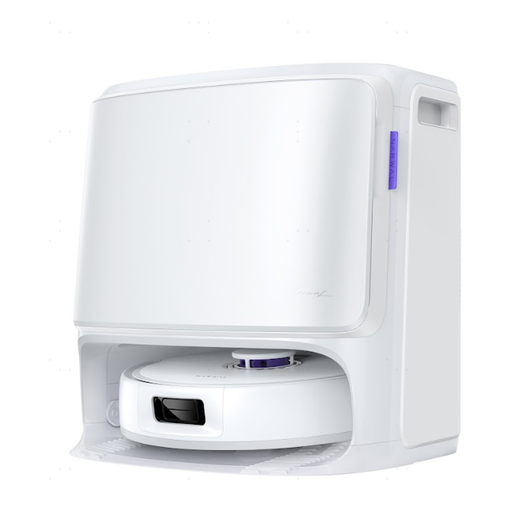
Why This Fits Their Persona: For users who want no compromises and expect the highest level of automation and cleaning performance. This model combines state-of-the-art technologies into a single system.
This model addresses all three pitfalls: its massive 11,000 Pa suction power is complemented by a tangle-free dual brush. The multi-sensor obstacle avoidance is highly advanced. The station is a fully automated system that washes and hot-air dries the mops, preventing odour buildup.
The key differentiator is the completely autonomous cleaning station combined with the Edgerech triangular mop, which cleans corners with precision. The automatic mop lifting on carpets ensures seamless cleaning of hard floors and carpets in a single run.
We have compiled a complete, up-to-date list of products that fully meet these strict selection criteria and adhere to rigorous safety standards.
1. How often does the dust bag in a self-emptying station need to be replaced? This largely depends on the bag's size and the amount of dirt in your home. For models with a volume of 2.5 to 3.5 litres, a replacement in an average household (without multiple pets) is often only needed every 60 to 180 days.
2. Can a robot vacuum with a mopping function clean carpets? Yes, advanced models automatically detect carpets using an ultrasonic sensor. They will then either lift the mopping pad to keep the carpet dry or avoid it entirely while in mopping mode. At the same time, they often increase suction power to remove deep-seated dirt from the carpet fibres.
3. Is laser navigation really necessary? For a small, simply furnished studio apartment, a more basic system might suffice. However, for homes with multiple rooms, complex layouts, or the desire for targeted control (e.g., "Clean only the kitchen"), LDS laser navigation is essential. It enables far more efficient, faster, and reliable cleaning.