
Lieferung heute & morgen

Qualitätsgarantie

Willkommens-Angebote freischalten: KOSTENLOSE Lieferung | Bis zu 80 % RABATT | Kostenlose 30-Tage-JoyPlus-Testphase
App herunterladen
A robot vacuum with mopping function should remove dust, crumbs, pet hair and light dirt as independently as possible. In practice, however, a high Pa rating alone does not determine whether a device is suitable for your home. Carpet pile height, door thresholds, floor plan, maintenance requirements and mopping performance are equally important.
Figures such as 20,000 or 30,000 Pa describe the maximum negative pressure under specific conditions. On their own, they say little about how suitable a robot vacuum is for pet hair, fine particles or carpet fibres. Brush design, airflow, filters and automatic power adjustment also affect the results.
A robot vacuum with high suction power can therefore be useful if a lot of hair or dirt becomes embedded in carpet fibres. On hard floors, however, effective edge cleaning and a suitable brush design are also important.
A station with automatic dust emptying, mop cleaning and drying reduces the amount of manual work required. Nevertheless, water tanks, filters, sensors, brushes and dirty-water tanks still need to be checked regularly. Hot-water mop cleaning does not eliminate the need to maintain the station either.
Also consider the cost of consumables: dust bags, mop pads, cleaning solution and filters can increase ongoing expenses.
A robot vacuum with laser navigation generally creates structured maps and can target specific rooms. However, cables, shiny objects, low furniture and toys left on the floor can still cause interruptions. Cameras, 3D sensors and structured light can complement the navigation system, but they do not make the device independent of a prepared floor area.
For households with pets, three points are particularly important:
The Pa rating should always be considered alongside the brush design and the cleaning modes available.
A simple water tank with a damp cloth is mainly suitable for removing light traces of dust every day. Rotating mops or rollers can create more mechanical contact when dealing with heavier dirt. The key question is whether the mops lift automatically as soon as a carpet is detected.
For carpets and hard floors, individually adjustable no-go zones, carpet areas and room-specific water levels are also useful. For delicate flooring, follow the manufacturer’s guidance on cleaning solutions and moisture.
Depending on the model, an all-in-one station may include the following functions:
Before buying, check the dimensions of the station and the amount of clearance required. For app control, Wi-Fi compatibility, map management, restricted zones and the ability to plan individual rooms are particularly important. An app-controlled robot vacuum is only convenient if the app is supported in the long term and its key functions are clearly accessible in German.
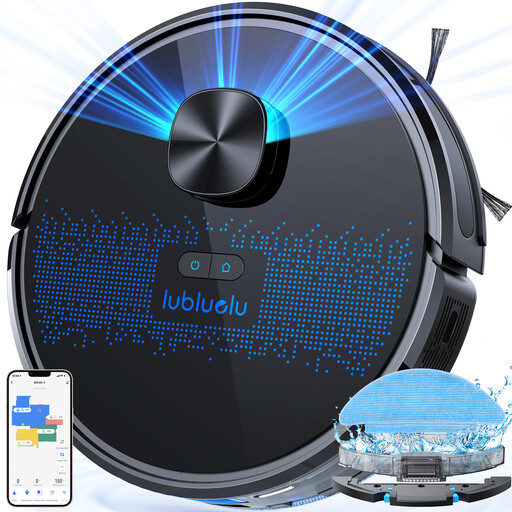
Why this product suits the profile: This 2-in-1 robot combines vacuuming and mopping, offers laser navigation with up to five maps and can be controlled via an app. It is well suited to small or medium-sized homes with different cleaning zones.
Map management and laser navigation help prevent aimless routes. According to the usage instructions, mop cloths should be washed after every wet-cleaning cycle.
4,000 Pa according to the product details, up to five maps and a stated noise level of 55 dB.

Why this product suits the profile: The combination of laser navigation, an all-in-one station, carpet detection and a lifting mopping system is designed for automated cleaning in homes with hard floors and carpets.
According to the manufacturer, the station handles dust emptying, mop washing at up to 75 °C and warm-air drying. The mop lifts automatically on carpets.
Up to 25,000 Pa, four suction levels, automatic mop lifting and up to 180 minutes of runtime according to the product details.
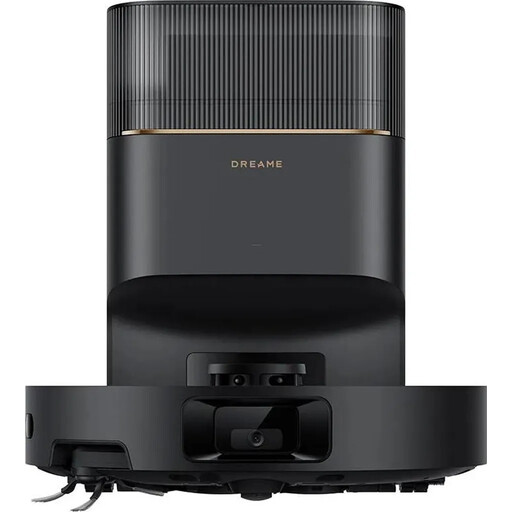
Why this product suits the profile: The large dust-bag capacity is particularly appealing to pet owners and people who work full-time. The app enables room maps, schedules and separate suction and water levels.
According to the product description, the HyperStream-DuoBrush and 3D obstacle detection are designed to reduce hair tangles and make routes more predictable.
13,000 Pa, a 5-litre dust bag and stated automatic emptying for up to 150 days.
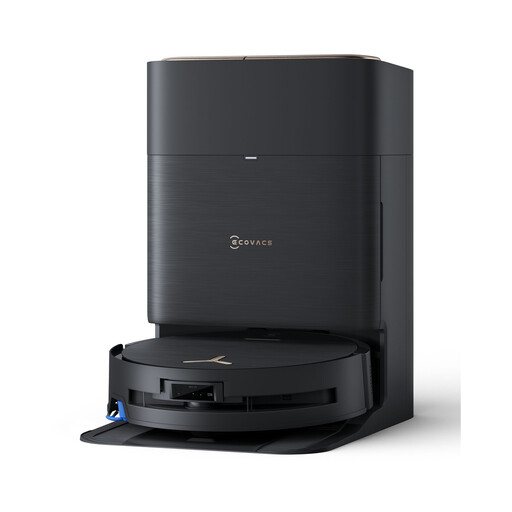
Why this product suits the profile: The roller-mop system with continuous self-cleaning is aimed at users who want to mop regularly as well as vacuum and prefer automated station maintenance.
According to the manufacturer, the Triple-Lift system raises the mop, brushes or side brush depending on the cleaning situation. This can reduce the mixing of dry and wet dirt.
OZMO roller mop, automatic mop washing with temperature-controlled water and up to 16,600 Pa according to the product details.
We have put together a complete, regularly updated list of products that fully meet these strict selection criteria and the safety regulations applicable in the EU.
Before the first cleaning cycle, remove cables, small objects and delicate decorations from the floor. Place the station on a level, hard surface with enough clearance for the robot to dock and leave. Once mapping is complete, it is worth renaming rooms, setting up restricted zones and saving separate cleaning profiles for carpets and hard floors.
Even a self-cleaning robot vacuum requires maintenance:
Yes, provided the model has carpet detection and a suitable mop-lifting function. For delicate or deep-pile carpets, you should also set up restricted zones in the app. The maximum climbing height and the device’s suitability for specific carpets vary from model to model.
In addition to electricity consumption, there are costs for filters, mops, brushes, cleaning solution and, where applicable, dust bags. Stations with large containers reduce how often you need to perform manual tasks, but not the basic maintenance requirements. Before buying, check the prices and availability of replacement parts.
Service life depends on how intensively the device is used, battery care, dust levels and regular maintenance. Keeping the floor clear, cleaning the sensors and replacing wear parts in good time can help ensure reliable operation. For binding information, refer to the warranty and manufacturer’s terms for the model in question.