
Lieferung heute & morgen

Qualitätsgarantie

Willkommens-Angebote freischalten: KOSTENLOSE Lieferung | Bis zu 80 % RABATT | Kostenlose 30-Tage-JoyPlus-Testphase
App herunterladen
The search for the right robot vacuum with mopping and an auto-empty station can quickly become overwhelming. Manufacturers advertise ever-increasing suction power figures and complex feature names. However, not every advertised feature actually leads to a cleaner home. Many devices turn out to be a poor investment, revealing critical weaknesses in practice.
As your Joybuy Product Recommendation Officer, I'm here to help you cut through the noise. Instead of falling for marketing buzzwords, we'll focus on the technical specifications that truly matter. In this guide, we'll highlight the most common pitfalls and show you what to look for to find a device that genuinely makes your daily life easier.
The 3 Most Common Traps When Buying a Robot Vacuum and Mop:
To avoid these traps, you should base your purchasing decision on objective technical features. Three aspects are of central importance here.
A high-performance robot vacuum and mop is defined by the interplay of three components:
A fully automatic station is the heart of a modern device. The self-cleaning robot vacuum function should encompass more than just emptying dust. The crucial features are:
A robot's ability to move systematically and completely through a room depends on its navigation technology. Laser navigation (LiDAR) is considered the standard for precise map creation and efficient route planning. However, for a truly complete clean, a robot vacuum with edge cleaning capability is also critical. Look for models with extendable mops or special side sensors (e.g., PSD sensors) that allow the device to get right up to the baseboard to pick up dirt.
Based on the criteria above, we have compiled a selection of devices suitable for different needs and households.

Why This Fits Their Persona: Ideal for tech-savvy users seeking a "set-it-and-forget-it" solution. The combination of powerful suction, advanced edge cleaning, and a fully automatic station reduces manual effort to an absolute minimum.
The 75°C hot-water mop wash overcomes the "pseudo-self-cleaning" trap. The TruEdge 2.0 technology ensures flawless edge cleaning, and the ZeroTangle 3.0 brush effectively prevents hair tangles.
Fully automatic OMNI station with hot-water washing and hot-air drying; extendable mop for precise edge cleaning.
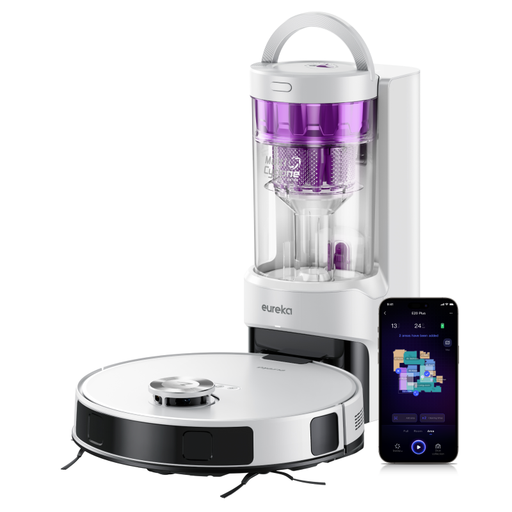
Why This Fits Their Persona: Perfect for homes with pets where strong suction and reliable hair removal are top priorities. The bagless station is practical and saves on running costs.
The anti-hair-tangle system with its DragonClaw side brush specifically counters the problem of tangled brushes. The PSD sensor significantly improves edge cleaning compared to simpler models.
Bagless auto-empty station for up to 60 days; special brush system to prevent hair tangles; automatic mop lifting on carpets.
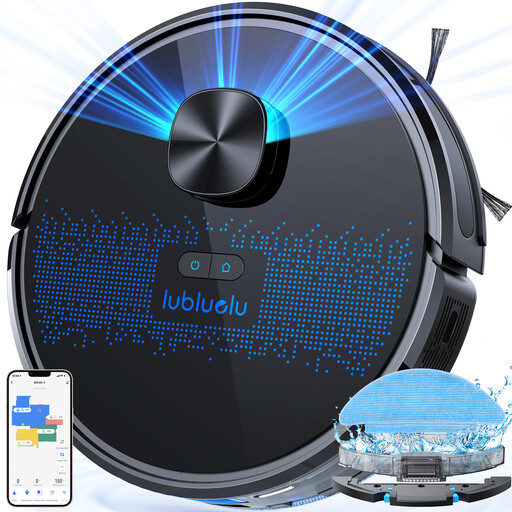
Why This Fits Their Persona: A solid choice for anyone who wants to experience the benefits of automated vacuuming and mopping without immediately investing in a premium model with a fully automatic station.
This model bypasses the trap of inefficient navigation by using Laser Navigation (LiDAR). It creates precise maps and cleans systematically, rather than moving chaotically through the room.
Combined vacuum and mop function; precise laser navigation with storage for up to 5 maps; app control with customisable cleaning schedules.
We have compiled a complete, up-to-date list of products that fully meet these strict selection criteria and UK/EU safety regulations.
1. How often does a robot vacuum's auto-empty station need to be emptied? The frequency depends on the size of the dust bag in the station and the amount of dirt in your household. For most modern devices with a 3-litre bag, emptying is only required every 45 to 60 days. In homes with pets, this interval may be shorter.
2. Can a robot vacuum with a mopping function clean carpets? Yes, high-quality models feature automatic carpet detection. When the robot moves onto a carpet, it automatically lifts its mop pads to avoid soaking it. At the same time, the suction power is often increased to deep-clean the carpet. Look for a sufficient lift height (at least 10 mm) for medium to high-pile carpets.
3. What maintenance is required for a self-cleaning robot vacuum? Although the station handles much of the work, minimal maintenance is still necessary. This includes regularly emptying the dirty water tank and refilling the clean water tank. Additionally, sensors, cameras, and the main brush (despite anti-tangle features) should be occasionally checked for debris and cleaned according to the manufacturer's instructions to ensure consistently optimal performance.