
Lieferung heute & morgen

Qualitätsgarantie

Willkommens-Angebote freischalten: KOSTENLOSE Lieferung | Bis zu 80 % RABATT | Kostenlose 30-Tage-JoyPlus-Testphase
App herunterladen
A robot vacuum and mop can make regular floor care easier. However, models vary considerably in their navigation, maintenance requirements and suitability for carpets or pet hair. A high Pa rating alone doesn’t tell you whether a device will suit your everyday needs.
Figures such as 8,000 Pa, 16,000 Pa or 25,000 Pa refer to the suction power stated by the manufacturer. However, they don’t tell you everything about how well a robot picks up hair, reaches edges or removes fine dust from carpet fibres. Brush design, airflow, carpet detection and the route the robot actually takes are also important.
So, you shouldn’t choose a powerful robot vacuum based on its Pa rating alone. Models with 10,000 Pa may be suitable for many homes, while larger households with several carpets or pets may benefit from a higher manufacturer-stated figure.
A robot vacuum with an auto-empty station empties its dust container automatically. However, depending on the design, you may still need to maintain the filters, brushes, water tanks and station. A bagless station does away with the need to buy replacement dust bags, but you may need to empty its collection container more regularly.
A station with mop cleaning also has clean- and dirty-water tanks to take care of. Before buying, check how much space you have and whether the station will be easy to access.
A robot mop is best suited to keeping on top of fine dust and light dirt. Dried-on marks, large spills and delicate flooring still need to be checked and cleaned by hand. Look for adjustable water flow, liftable mops and clearly defined carpet zones.
A robot vacuum with LiDAR navigation uses a laser to map your rooms and can clean systematically rather than moving at random. This is especially useful in larger homes, multi-storey properties and rooms with complex layouts. Look for:
Even good navigation can’t replace picking up small objects. Cables, shoelaces and small toy parts can get caught in the brushes.
For homes with dogs or cats, a robot vacuum for pet hair with a main brush designed to minimise tangles is a sensible choice. Terms such as ‘Anti-Tangle’ or ‘ZeroTangle’ should be considered in light of the actual design. What matters is whether hair is easy to remove and whether the brush needs regular cleaning.
If you need a robot vacuum for carpets and hard floors, the mop unit should be able to detect carpets and lift up. This reduces the risk of a damp mop being dragged over the carpet. Also check the stated threshold height, as door bars and transitions between rooms can vary.
Battery life is usually quoted under specific conditions. High suction power, carpets and intensive mopping programmes can reduce actual runtime. For larger homes, features such as automatic recharging and resuming cleaning are useful.
Automatic emptying means you don’t need to empty the robot’s dust container every day. A station with hot-water mop cleaning can further reduce maintenance. Bear in mind, though, that hot-water and hot-air functions use electricity and water, and the tanks and cleaning tray need regular care.
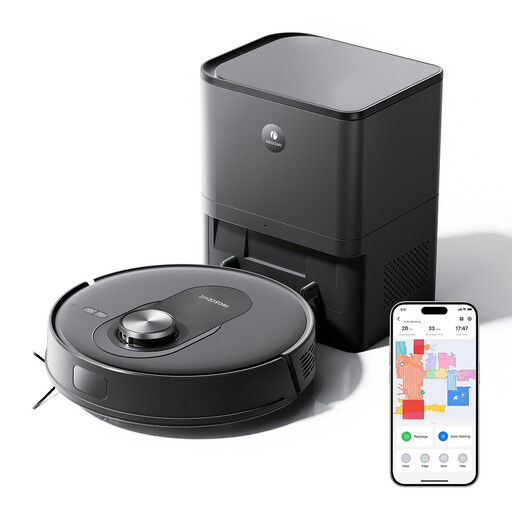
Why this product suits this profile: With 8,000 Pa, LiDAR mapping, app control and automatic dust emptying, it covers the basic needs of homes with hard floors and carpets.
The features go beyond a Pa rating, also including LiDAR navigation, map management and automatic emptying.
Up to 200 minutes of runtime and storage for up to five maps, according to the product information.
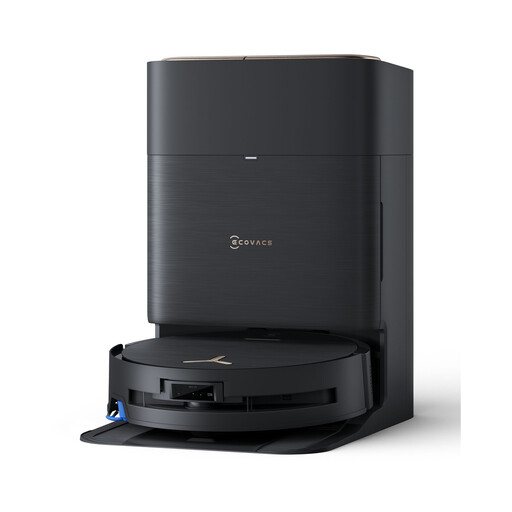
Why this product suits this profile: According to the product description, this model combines 16,600 Pa with an OZMO roller mop and an Omni station that automates dust emptying and mop care.
The stated carpet detection and liftable mop roller help keep dry and wet cleaning more separate than a basic mop pad can.
Hot-water mop cleaning at temperatures from 40 to 75 °C, according to the product specifications, as well as automatic dust emptying.
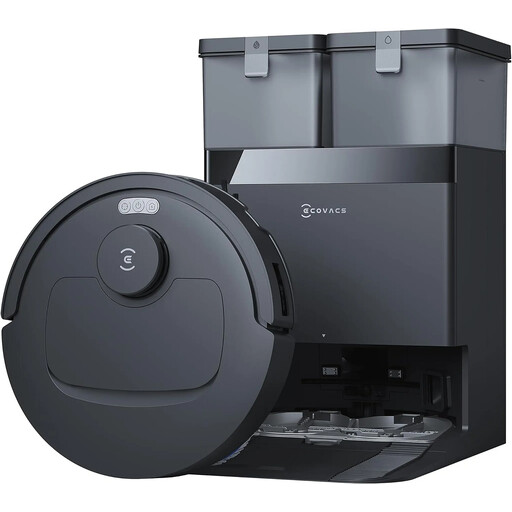
Why this product suits this profile: The product specifications list 25,000 Pa, up to 180 to 200 minutes of runtime, carpet detection, and automatic emptying, mop cleaning and water refilling.
ZeroTangle 3.0, TrueMapping 2.0 and liftable mops address common maintenance and carpet-related issues.
Four adjustable suction levels and an Omni station with 75 °C mop cleaning, according to the manufacturer.
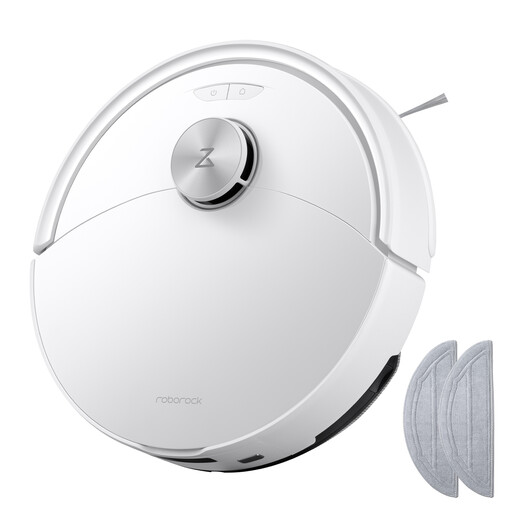
Why this product suits this profile: According to the product specifications, 10,000 Pa, a dual anti-tangle system and automatically lifting mops are designed for pet hair, carpets and hard floors.
The anti-tangle design and automatic mop lifting tackle two common problems in homes with mixed flooring.
10,000 Pa suction power, according to the product information, and automatic carpet detection with a liftable mop module.
We’ve put together a complete, regularly updated list of products that meet these strict selection criteria and the safety requirements in force in the EU.
Its lifespan depends on the battery, brushes, filters, how often you use it and how well you maintain it. Regularly cleaning the sensors and brushes, and replacing worn parts when needed, can help keep it working reliably. It isn’t possible to give a reliable fixed lifespan without specific model and usage information.
As well as electricity, you may need to pay for replacement filters, side brushes, mop pads, cleaning products and, where applicable, dust bags. With a bagless auto-empty station, you won’t need to buy bags regularly. Before buying, check the availability and prices of compatible consumables.
Many models are designed for hard floors and carpets. Check the manual before using one on delicate materials, deep-pile carpets or unsealed floors. For homes with mixed flooring, carpet detection and mop lifting are particularly important.