
Lieferung heute & morgen

Qualitätsgarantie

Willkommens-Angebote freischalten: KOSTENLOSE Lieferung | Bis zu 80 % RABATT | Kostenlose 30-Tage-JoyPlus-Testphase
App herunterladen
A robot vacuum cleaner with a mopping function can automate your daily floor care. However, models vary considerably when it comes to navigation, carpet detection, maintenance and actual mopping performance. That’s why suction power figures alone aren’t enough to help you choose the right robot for your home.
This guide from the Joybuy Product Recommendation Officer explains the key technical specifications and shows which features suit different homes.
The suction power quoted in pascals describes the maximum suction pressure under certain conditions. It doesn’t tell you on its own how well a robot vacuum cleaner for pet hair or carpets will perform. Brush design, the air channel, filter and clearance from the floor all affect the results too.
So, also look for:
Basic models often have a small water tank and a passive cloth for mopping. This is better suited to light dirt and daily dust removal. Rotating mops or a roller mop can maintain more contact with the floor by design, but they also need cleaning and care.
An automatic mop lift is particularly important if your home has both hard floors and carpets. Without this feature, a damp mop cloth could touch the carpet.
A robot vacuum cleaner with app control will usually offer schedules, room maps and no-go zones. However, this won’t automatically stop the robot from sucking up cables, socks or small toys. Check which sensors the model actually has, and whether the manufacturer provides specific details about obstacle detection.
Hard floors often need a lower suction setting than carpets. In homes with dogs or cats, an anti-tangle brush and easy access for removing hair are particularly useful. A large dust container means less frequent emptying, but it doesn’t replace regular filter care.
So, don’t judge a powerful robot vacuum cleaner by its Pa rating alone. A more useful measure is the combination of suction power, brush system, dust container and cleaning approach for your floors.
A robot vacuum cleaner with laser navigation can map rooms and plan systematic routes. LiDAR or DToF systems help it navigate even when lighting conditions change. Extra sensors for stairs, carpets and obstacles are useful when you want to leave the robot to clean unattended.
Before you buy, also check the robot’s height and the dimensions of the station. A low-profile model can reach under low furniture, while a large cleaning station needs enough space.
Check the:
A self-emptying station reduces the amount of manual work. However, an all-in-one station also comes with extra tasks: you’ll need to empty the water tanks, check the mops and use cleaning products as directed by the manufacturer.
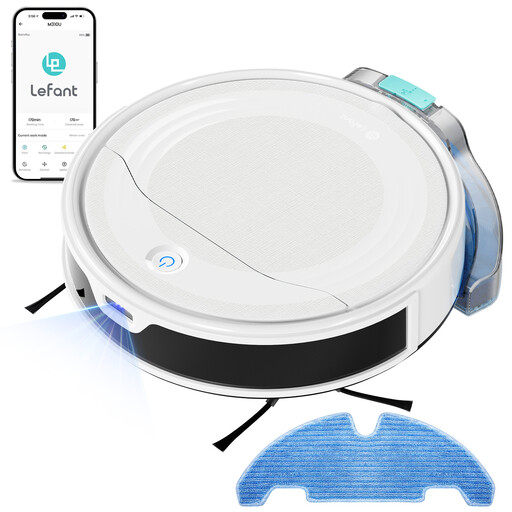
Why it suits this type of home: This compact model combines 6,000 Pa suction power, up to 170 minutes of battery life, app and Alexa control, and a 200 ml water tank for easy daily cleaning.
As well as suction power, the specifications list a water tank, HEPA filter and anti-hair features. This makes it easier to understand the ongoing maintenance involved.
77 mm high, with a 500 ml dust container and app control over 2.4 or 5 GHz Wi-Fi, according to the product specifications.
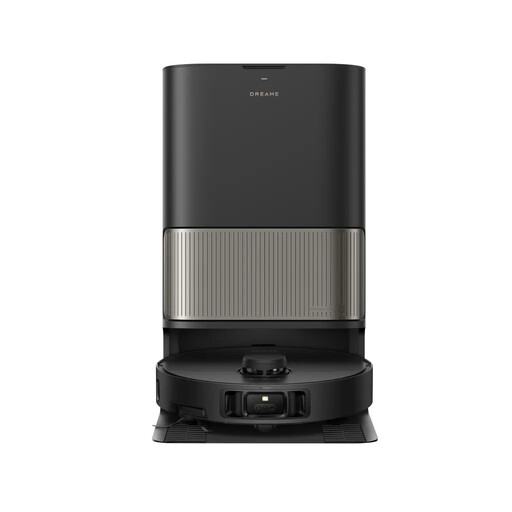
Why it suits this type of home: This model combines 19,000 Pa suction power, rotating mops, an 8-in-1 station and app control, making it suitable for homes with different types of flooring.
The five carpet-cleaning strategies listed and the automatic mop lift help keep mopping and vacuuming separate on mixed flooring.
The station empties the dust container, washes the mops with 75 °C warm water, dries them with warm air and refills the water.
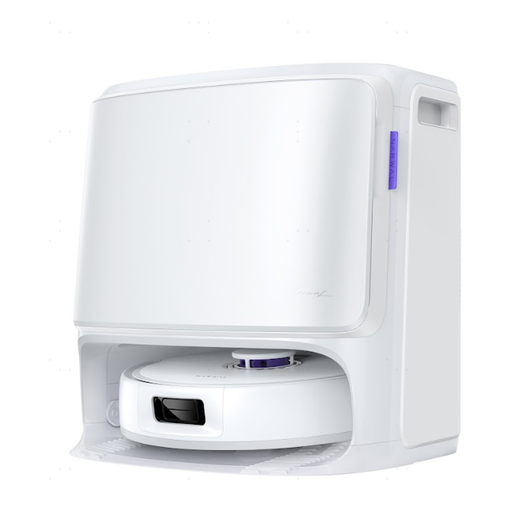
Why it suits this type of home: Pet owners and frequent users get 11,000 Pa suction power, an anti-tangle brush, LiDAR navigation and a station with a dust bag, mop washing and drying.
The dual anti-tangle design helps tackle the common maintenance issue of hair getting caught. The description says carpet detection automatically lifts the mop.
Up to 220 minutes of battery life according to the specifications, a 2.5-litre dust bag and systematic obstacle detection using LiDAR, infrared and ultrasonic sensors.
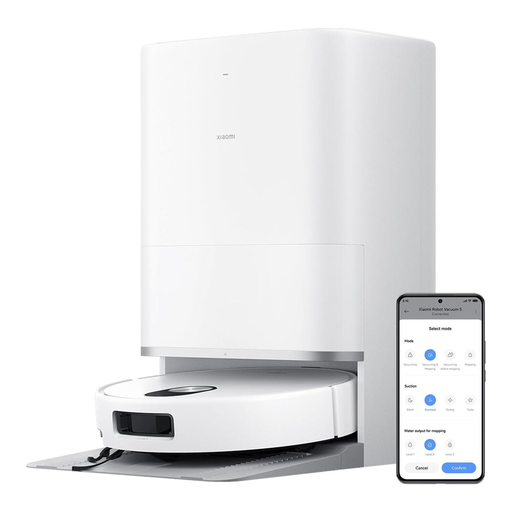
Why it suits this type of home: This model is designed for users who want to combine LiDAR navigation, 20,000 Pa suction power as specified and an automatic station.
The specified 15 mm mop lift and carpet detection reduce the risk of damp mops being left in contact with carpets.
All-in-one station with automatic dust emptying, mop washing in water heated to around 80 °C and a specified dust bag capacity of 2.5 litres.
We’ve put together a complete, regularly updated list of products that meet these strict selection criteria and fully comply with the safety regulations in force in the EU.
Before the first clean, remove loose cables, lightweight fabrics and small objects. Place the station on a flat, dry surface and let the robot create a complete map before you start.
For reliable operation, we recommend that you:
These devices are designed for indoor use. Liquids, flammable substances and large amounts of standing water should not enter the suction channel.
The function can be handy for removing dust and light dirt every day. Dried-on stains or heavily soiled areas may still need to be cleaned by hand, depending on the mopping system. The key factors are mop movement, pressure, water control and whether the robot can automatically avoid carpets.
Its lifespan depends on the battery, brushes, filters, sensors and maintenance routine. Regularly removing hair and dirt helps prevent unnecessary strain on the robot. Wear parts such as filters, side brushes and mop cloths should be replaced as directed by the manufacturer.
As well as electricity, you may need to budget for filters, brushes, mop cloths, cleaning products and dust bags. Bagless stations reduce the need for replacement bags, while all-in-one stations need extra care for the water tanks and mops. Before you buy, check the prices and availability of genuine accessories.