
Lieferung heute & morgen

Qualitätsgarantie

Willkommens-Angebote freischalten: KOSTENLOSE Lieferung | Bis zu 80 % RABATT | Kostenlose 30-Tage-JoyPlus-Testphase
App herunterladen
Combining vacuuming and mopping in a single pass promises significant time savings for household chores. A vacuum mop is designed to effortlessly eliminate sticky messes, dust, and pet hair. However, the market is flooded with devices whose advertised features often fail to deliver in practice. Many buyers quickly discover that their new appliance doesn't live up to expectations.
This guide highlights the most common pitfalls and explains the technical features that truly matter, helping you make an informed purchasing decision.
Manufacturer specs often focus on impressive performance numbers while omitting critical design flaws. Pay close attention to these three points to avoid disappointment:
To find a high-performance and durable wet-dry vacuum, don't be swayed by marketing promises. Instead, focus on verifiable technical specifications.
A fundamental feature for effective cleaning is the strict separation of clean and dirty water. A vacuum mop with only one tank or a poorly designed system will spread contaminated water back onto your floor. Look for the following:
The effectiveness of a hard floor cleaner depends heavily on the design of its brush roller. For gap-free cleaning, especially when using a vacuum mop for pet hair, an edge-to-edge design is crucial.
A high-quality self-cleaning function is more than just a rinse cycle. It is critical for the hygiene and longevity of the device.
Based on the criteria mentioned, we have curated a selection of devices suitable for various needs and households.
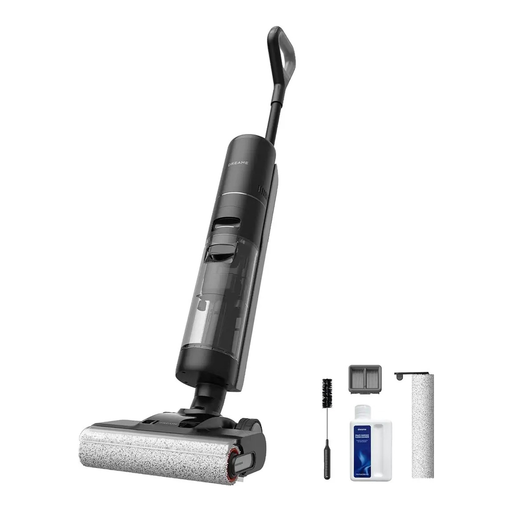
Why This Fits Their Persona: Ideal for demanding environments where hygiene is a top priority. The combination of high suction power and hot-water cleaning reliably tackles everyday messes from children and pets.
According to the manufacturer, the self-cleaning cycle uses 60°C hot water and is followed by hot air drying. This counteracts the build-up of odours and bacteria, a common flaw in simpler systems.
The brush cleans edge-to-edge on both sides, minimising uncleaned strips along walls. Its 18,000 Pa suction power is designed to handle pet hair and spills.
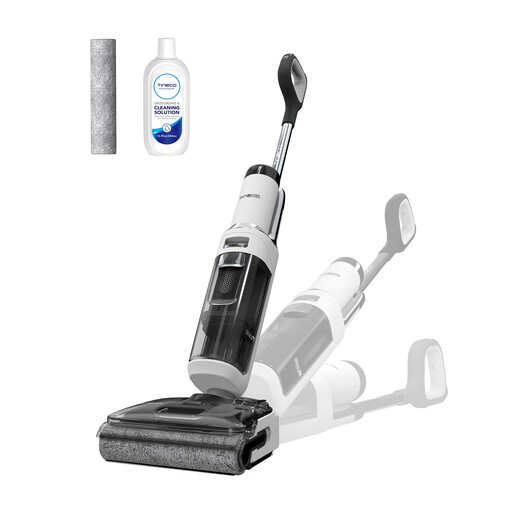
Why This Fits Their Persona: Perfect for furnished homes where cleaning under sofas, beds, and cabinets is a challenge. Its lay-flat design allows for thorough cleaning in hard-to-reach places.
While many vacuum mops are bulky, this model can lay completely flat at 180°, according to the manufacturer. With a height of just 13 cm when flat, it reaches areas inaccessible to standard devices.
Offers 3-sided edge cleaning to minimise dirt build-up at borders. The self-cleaning cycle with 70°C hot water and a 5-minute drying process ensures hygienic brush maintenance.
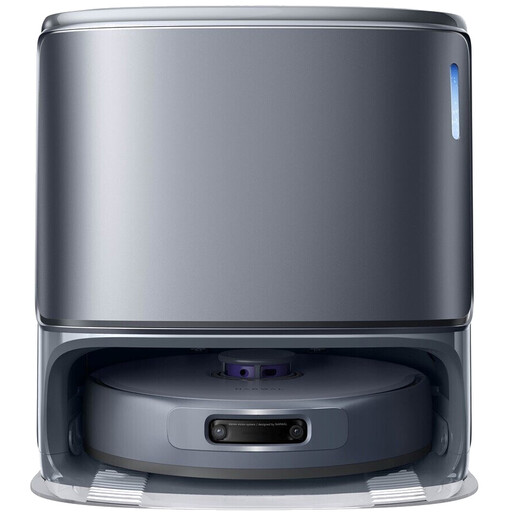
Why This Fits Their Persona: For users seeking a fully autonomous cleaning solution. This robot vacuum and mop combo not only handles the cleaning but also manages most of its own maintenance.
The base station washes the mop pads with hot water (up to 60°C) and then dries them, solving the hygiene issues of manual devices. Edge cleaning is addressed by an extendable mop.
Complete automation: self-emptying of dust, mop washing, and drying. The AI-powered obstacle avoidance with dual cameras reliably detects and navigates around objects.
We have compiled a complete, up-to-date list of products that fully meet these strict selection criteria and all applicable safety regulations.
Most vacuum mops are designed exclusively for cleaning hard floors like tile, laminate, sealed hardwood, or vinyl. The rotating, wet brush is unsuitable for carpet fibres and can damage them. A few hybrid models or carpet cleaners offer special attachments for carpets, but this is not a standard feature of a typical vacuum with mopping function. Always check the manufacturer's specifications regarding surface suitability.
The lifespan of consumables depends heavily on the frequency of use and the type of dirt being cleaned. As a general guideline:
Use only cleaning solutions that are recommended or approved by the device manufacturer. Common household cleaners can create excessive foam, damage the device's internal sensors and tubes, or leave sticky residue on the floor. Using the wrong solution can also void your warranty. Many manufacturers offer special, low-foaming cleaning concentrates tailored to how their device functions.