
Lieferung heute & morgen

Qualitätsgarantie

Willkommens-Angebote freischalten: KOSTENLOSE Lieferung | Bis zu 80 % RABATT | Kostenlose 30-Tage-JoyPlus-Testphase
App herunterladen
A robot vacuum cleaner with a mopping function can make daily floor care much easier. However, robot vacuum and mop models vary considerably when it comes to navigation, carpet detection, maintenance requirements and the level of automation they actually provide. A high suction-power figure alone therefore says little about whether a model is right for your home.
Three marketing traps in particular often lead to disappointing purchases:
Suction power is usually stated in Pa. This is a technical manufacturer specification and should only be compared cautiously between models, as measuring conditions and airflow can vary. For homes with pets, a main brush designed to minimise tangling, an easily accessible brush cover and automatic power adjustment on carpets are also important.
A robot vacuum cleaner for pet hair should not only pick up hair but also prevent as much of it as possible from wrapping around the brush. Anti-tangle systems can reduce cleaning effort, but they do not replace regular checks.
On hard floors, the mopping function can range from light damp cleaning to more intensive roller or mop cleaning, depending on the type of dirt. A simple water tank with a mopping pad is mainly suitable for dust and light marks. For dried-on dirt, rotating mops, a roller or higher contact pressure offer clear design advantages.
For a robot vacuum cleaner for carpets and hard floors, these functions are particularly important:
On sealed hard floors, only as much water as the flooring can tolerate should be used. The manufacturer’s instructions take priority.
A robot vacuum cleaner with app control should be able to save room maps, define cleaning zones and set up no-go areas. LiDAR systems use laser scanning and are particularly useful in multi-room homes and on multiple floors. Also check whether the app requires 2.4 GHz Wi-Fi.
Battery life depends on the mode selected. Turbo or maximum settings reduce it considerably. For larger living spaces, automatic return, recharging and resuming cleaning are useful features.
A robot vacuum cleaner with a self-emptying station reduces the need to empty the dustbin manually. Models with automatic mop cleaning also wash and, in some cases, dry the mops. However, they require space, water-system maintenance and regular replacement of dust bags or cleaning products.
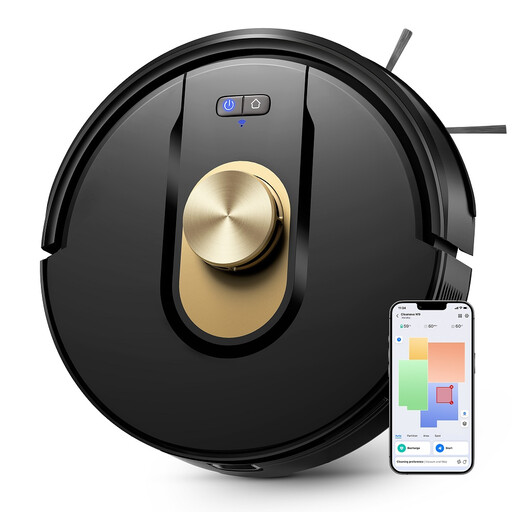
Why this product suits the profile: The W9 combines vacuuming, sweeping and mopping, offers app control and can store up to five maps, making it suitable for homes with several areas.
Three suction levels and three water levels allow the settings to be adapted to different floor types rather than relying on just one setting.
LiDAR navigation, up to 150 minutes of runtime according to the manufacturer and definable no-go zones via the app.
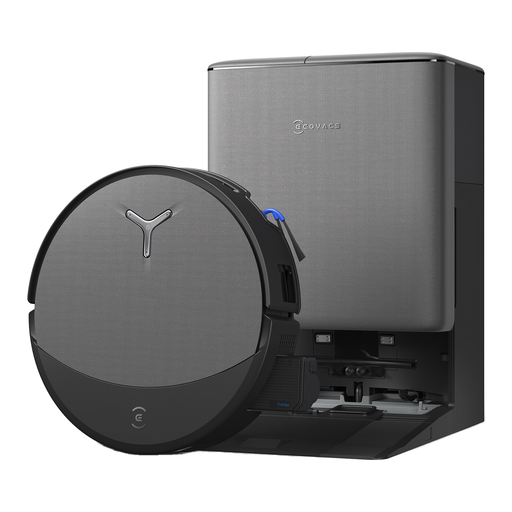
Why this product suits the profile: The OMNI station combines automatic dust emptying with mop cleaning and is designed for users who want to minimise daily manual tasks.
The product data lists separate clean- and dirty-water tanks as well as automatic station maintenance. The space required for the station should be checked before buying.
Up to 350 minutes of runtime according to the product details, obstacle detection and stated suction power of up to 30,000 Pa.
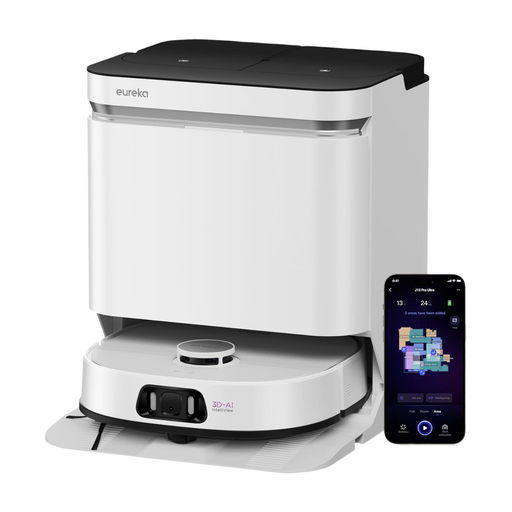
Why this product suits the profile: For pet owners and larger households, anti-tangle technology, automatic station maintenance and the stated high suction power are important selection criteria.
The product description mentions FlexiRazor technology to reduce hair tangling, as well as automatic cleaning of the mops and station.
Stated suction power of 16.200 Pa, 75°C mop cleaning and automatic emptying according to the manufacturer’s specifications.
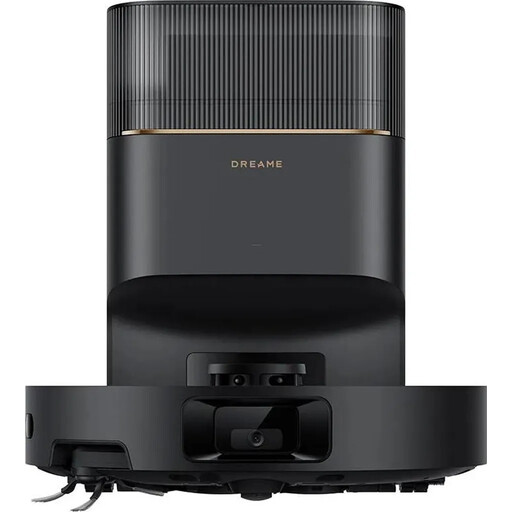
Why this product suits the profile: The combination of a dust-bag station, carpet detection and app control is well suited to families, working people and homes with frequent everyday dust.
Automatic carpet detection can adjust the vacuuming and mopping settings. In addition, the 5-litre dust bag, according to the product details, reduces the need for frequent emptying.
13,000 Pa according to the manufacturer, up to 260 minutes of vacuuming runtime and 3D obstacle detection.
We have put together a complete, regularly updated list of products that fully meet these strict selection criteria and the safety regulations applicable in the EU.
In addition to the purchase price, there are ongoing costs for dust bags, mop pads, filters, side brushes and cleaning products. Stations with hot-air drying also use additional electricity. Before buying, therefore, check whether replacement parts are available in Germany and how often they should be replaced according to the instruction manual.
Before every cleaning cycle, remove cables, small objects and any accumulated liquids. A robot vacuum cleaner is not designed for hot ash, sharp objects or large amounts of standing water. Sensors and brushes should be cleaned at regular intervals.
Yes, many models can vacuum carpets. For combined use, carpet detection with mop lifting or a no-go zone for carpets is a sensible choice. A damp mop pad should not run over delicate carpets continuously.
This depends on pet hair, the amount of dust and how often it is used. The dustbin and mops should be emptied or washed promptly when necessary. Brushes, filters, sensors and the station require regular checks, even when a self-cleaning robot vacuum cleaner takes care of many tasks automatically.
For larger households, pet owners and people who work, a self-emptying station can reduce the daily effort involved. It is particularly worthwhile when the additional space required, electricity consumption and the cost of dust bags or station maintenance suit your usage profile.