
Lieferung heute & morgen

Qualitätsgarantie

Willkommens-Angebote freischalten: KOSTENLOSE Lieferung | Bis zu 80 % RABATT | Kostenlose 30-Tage-JoyPlus-Testphase
App herunterladen
A robot vacuum and mop is designed to remove dust, pet hair and everyday dirt on its own, with as little maintenance as possible. In practice, though, high Pa figures and a flashy app aren’t the only things that determine how well a model fits into everyday life. The size of your home, your floor types, door thresholds and the design of the station are just as important.
Figures such as 25,000 Pa describe the maximum suction pressure under certain conditions. On their own, they don’t tell you how well a robot cleans corners, carpets or pet hair. Brush design, airflow, carpet detection and the robot’s actual cleaning pattern also affect the results.
A station can automatically empty the dustbin, top up the water, and wash and dry the mop pads. You’ll still need to empty the dirty-water tank, clean the filters and remove hair, though. Consumables such as dust bags and cleaning solution also add to the running costs.
Cables, lightweight fabrics, small objects and spills can still cause problems. If you have pets or children, it’s best to supervise the first cleaning run. Obstacle-detection claims refer to the manufacturer’s specific features and don’t guarantee that every object will be detected.
For hard floors, a good balance between the main brush, side brush and navigation is often enough. For carpets or pet hair, automatic suction adjustment and an anti-tangle system are also worth considering. A robot vacuum for pet hair should be checked regularly, even if it’s advertised with ZeroTangle or similar technology.
So, consider the Pa figure alongside these features:
A robot mop with rotating pads, a roller mop or downward pressure works differently from a model with a simple passive mop attachment. For homes with lots of hard flooring, automatic mop cleaning, controlled water flow and a drying function are particularly useful.
Hot-water features are usually listed with a temperature range in the product specifications. This doesn’t automatically mean every type of dirt will be removed. It’s also important to have an easily accessible dirty-water tank and a station wash tray that can be cleaned regularly.
Smart navigation using laser or 3D sensors can map rooms, manage no-go zones and create cleaning schedules. Even so, check the following:
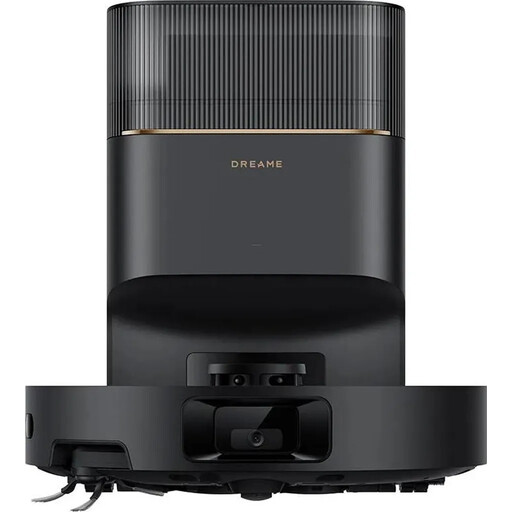
Why it suits this type of household: This robot combines 13,000 Pa suction power with a 5-litre dust bag and app control. It’s a good fit for flats and houses where automatic dust emptying matters more than a particularly complex mopping station.
The product details specify capacities, run times and a 5-litre dust bag. That makes it easier to assess the maintenance involved than a vague claim such as ‘hands-free’.
13,000 Pa, Pathfinder navigation, a 5-litre dust bag and up to 150 days of automatic dust collection, according to the product details.
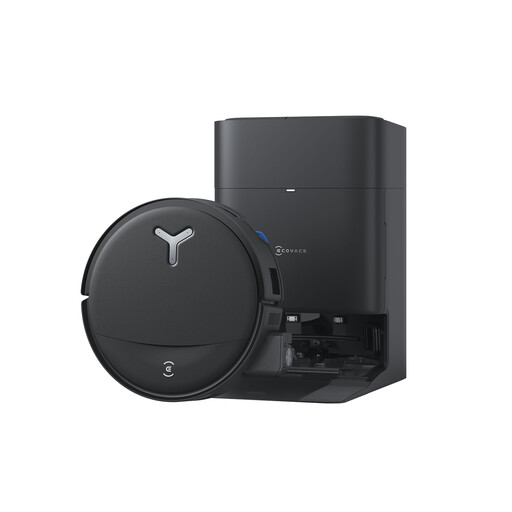
Why it suits this type of household: This model combines 24,800 Pa, OZMO Roller mopping technology, laser navigation and a station with temperature-controlled mop cleaning.
The combination of mop cleaning at 40–75 °C and 45 °C warm-air drying helps reduce the maintenance involved. You’ll still need to look after the filters and tanks, though.
24,800 Pa, automatic carpet detection, Triple-Lift System and OZMO ROLLER 2.0, according to the manufacturer’s specifications.
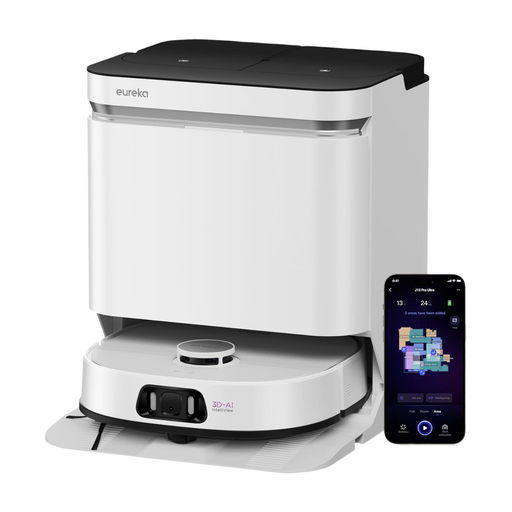
Why it suits this type of household: For pet owners and larger homes, useful features include 16,200 Pa, anti-tangle technology, and a station that cleans the mop at 75 °C and dries it with warm air.
The product description specifically mentions hair management, liquid detection and a self-cleaning station. This makes it easier to assess whether it’s suitable for homes that tend to get particularly dirty.
16,200 Pa, FlexiRazor anti-tangle technology, 75 °C hot-water cleaning and maintenance intervals of up to 75 days, according to the product details.
We’ve put together a complete, regularly updated list of products that meet these strict selection criteria and the safety regulations in force across the EU.
Place the station on a flat, firm surface and leave the clearances specified in the instruction manual. Remove cables and small objects, connect the robot to the app and start by letting it map your home fully. You can then set up rooms, no-go zones, suction settings and water flow.
Its lifespan depends on how often you use it, as well as the battery, brushes, filters and maintenance. Regularly removing hair, cleaning the sensors and replacing worn parts when needed can help keep it running well. Check the battery warranty and availability of spare parts before you buy.
You may need to pay for dust bags, mop pads, filters, brushes, cleaning solution and electricity. A bagless station reduces the need for dust bags, but may require a different approach to cleaning the dust chamber. So, compare not just the purchase price, but also the cost and availability of consumables.