
Lieferung heute & morgen

Qualitätsgarantie

Willkommens-Angebote freischalten: KOSTENLOSE Lieferung | Bis zu 80 % RABATT | Kostenlose 30-Tage-JoyPlus-Testphase
App herunterladen
A robot vacuum and mop with an auto-empty station promises the dream of a fully automated, clean home. However, the market is flooded with marketing claims that often fail to deliver in practice. Many devices turn out to be high-maintenance gadgets rather than genuine labor-saving solutions. As your Joybuy Product Recommendation Officer, I'll help you identify the crucial features and avoid common purchasing pitfalls, ensuring your investment pays off in the long run.
Before we dive into the important performance features, let's highlight the three most common problems that only become apparent in daily use after the purchase.
To avoid these pitfalls, you should base your selection on objective technical features. Pay attention to the following three aspects to find a device that performs reliably in everyday life.
A robot's ability to move intelligently and seamlessly through your home is fundamental. Basic models with gyroscope navigation often follow chaotic paths and miss spots.
The station is the centerpiece of a fully automated system. A simple auto-empty dock is outdated. A modern robot vacuum and mop with a cleaning station should offer at least the following functions:
The actual cleaning performance depends directly on the design of the mechanical components.
Based on these criteria, we have identified a few models that offer a suitable solution for different households and needs.
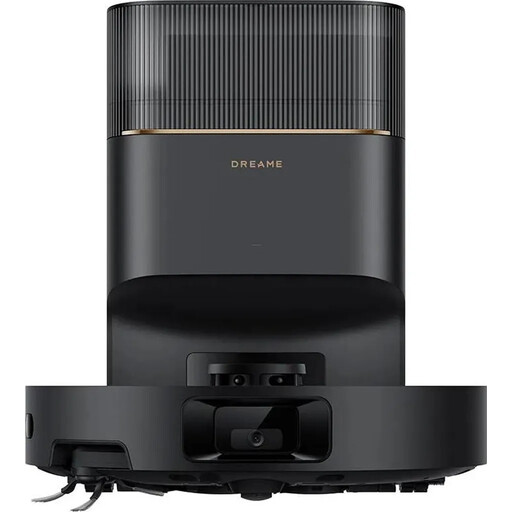
Why This Fits Their Persona: Ideal for pet owners and large households who want to reduce maintenance to an absolute minimum. According to the manufacturer, the large 5-liter dust bag allows for up to 150 days of use without manual emptying.
The HyperStream Detangling DuoBrush is specifically designed to prevent hair tangling, directly addressing the pitfall of constant manual brush cleaning.
Long autonomy thanks to a large dust bag and a brush technology specialized in removing pet hair.
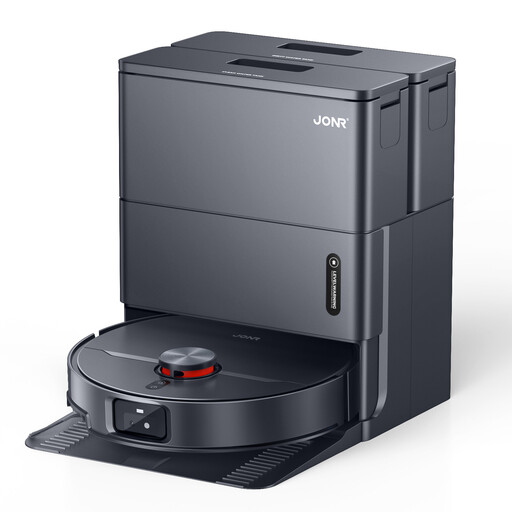
Why This Fits Their Persona: For users who refuse to compromise on cleanliness and are frustrated by dirty corners and edges. This model offers a technical solution to a widespread problem.
The Extendable Dual Arms solve the poor edge cleaning pitfall by actively moving the mops right up to baseboards and into corners.
Excellent robot vacuum with edge cleaning and a hygienic mop wash with 75°C (167°F) hot water.
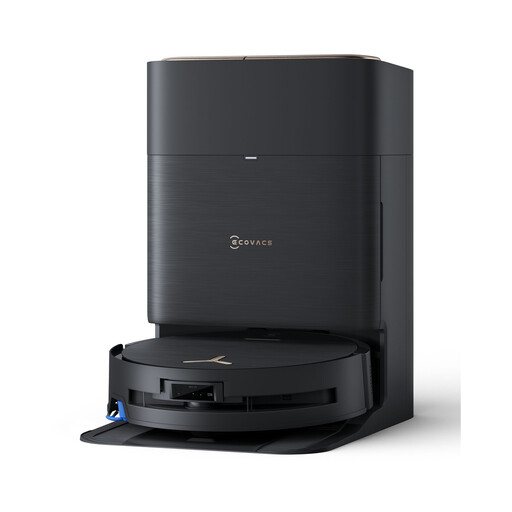
Why This Fits Their Persona: For tech enthusiasts seeking a solution that not only cleans but intelligently reacts to dirt, offering the highest level of automation and cleaning performance.
The OMNI station with temperature-controlled mop washing, hot-air drying, and automatic detergent dispensing goes far beyond the "pseudo-self-cleaning" pitfall.
According to the manufacturer, the AI Stain Detection 2.0 automatically identifies stains and adjusts the cleaning strategy. The OZMO Roller Mopping System applies high pressure for thorough stain removal.
We have compiled a complete, up-to-date list of products that fully meet these strict selection criteria and German safety regulations.
1. How often does the cleaning station of a robot vacuum and mop need maintenance? The maintenance effort heavily depends on the model. With fully automatic stations, you typically need to change the dust bag every 60 to 90 days and regularly empty/refill the dirty and fresh water tanks. The station itself should undergo a simple cleaning every few months, according to the manufacturer's instructions, to keep sensors and contacts clean.
2. Can a robot vacuum with mopping function clean hardwood and carpet in a single run? Yes, modern devices with Carpet Detection can do this. They use ultrasonic sensors to identify carpets. As soon as the robot moves onto a carpet, it automatically lifts its mop pads and increases suction power. When it leaves the carpet, it lowers the mops again and continues mopping on the hard floor.
3. How does the robot navigate in the dark? A robot vacuum with LiDAR navigation has a clear advantage here. Since laser technology does not rely on visible light, the robot can map and navigate precisely even in complete darkness. Models that also use cameras for obstacle avoidance may require some ambient light or have integrated LED lights for night use.