
Lieferung heute & morgen

Qualitätsgarantie

Willkommens-Angebote freischalten: KOSTENLOSE Lieferung | Bis zu 80 % RABATT | Kostenlose 30-Tage-JoyPlus-Testphase
App herunterladen
The idea is appealing: a single device that not only vacuums and mops but also empties and cleans itself afterwards. A robot vacuum with a mopping function and a self-emptying dock promises just that—a high degree of autonomy and consistently clean floors without daily effort. However, the market is flooded with models whose marketing promises often exceed their actual performance. Before you make a purchase, it's crucial to understand the common pitfalls that can lead to disappointment and unnecessary expense.
As your Joybuy Product Recommendation Officer, I'll help you define objective criteria for your selection and separate the wheat from the chaff.
Many devices look impressive on paper but only reveal their weaknesses during everyday use. Pay close attention to these three points to avoid a poor investment:
To find the right model for your home, you should focus on verifiable technical specifications. These three parameters are central to performance and convenience in daily life.
A robot vacuum with laser navigation (LiDAR) continuously scans its surroundings with a laser to create a precise map of your living spaces. This enables systematic and efficient cleaning in straight, logical paths.
Cleaning performance depends on three factors: suction power, brush design, and adaptability to different floor types.
An advanced station is the key to true autonomy. Examine its range of functions carefully:
Based on these objective criteria, we have selected a few models for different user profiles.
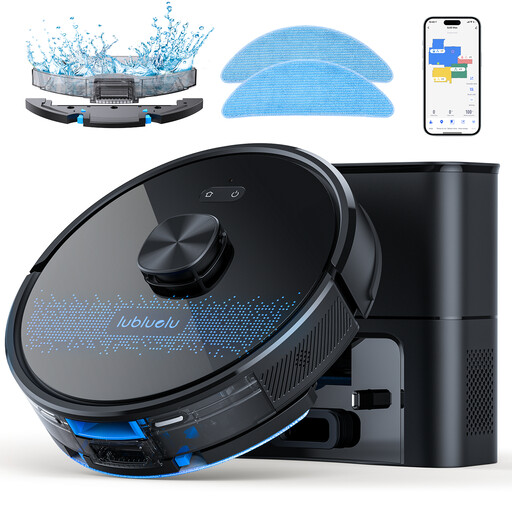
Why This Fits Their Persona: Offers the core functions—vacuuming, mopping, and a self-emptying dock—at an accessible price point. Ideal for users who want to experience the convenience of automatic dust disposal without investing in premium features like mop washing.
This model relies on dependable laser navigation instead of imprecise gyroscope control. The station focuses on the core task of dust disposal, eliminating the most frequent maintenance step.
Solid foundational features with laser navigation and app control for structured cleaning. The 4000 Pa suction power (as per manufacturer specs) is sufficient for hard floors and low-pile carpets.
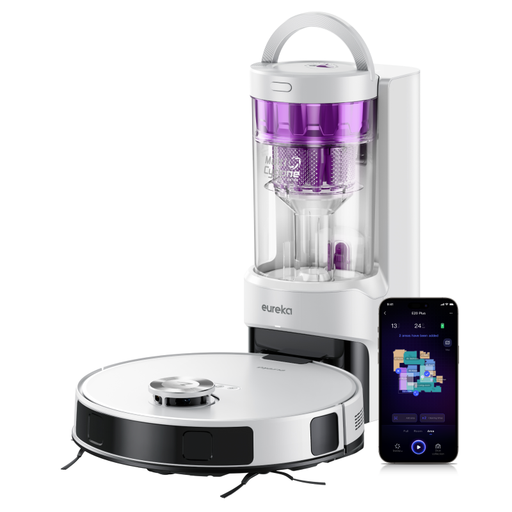
Why This Fits Their Persona: The high suction power of 8000 Pa (as per manufacturer specs) and the special anti-tangle brush are tailored to the needs of pet owners. The automatic 10mm mop-lift reliably protects carpets from moisture.
Combines high, verifiable suction power with intelligent carpet detection and mop-lifting. This qualifies it for mixed flooring without compromising on carpet care. The bagless station also reduces running costs.
Powerful suction and an effective mop-lifting function for cleaning hard floors and carpets. The DuoDetect AI 3D obstacle avoidance ensures reliable navigation.
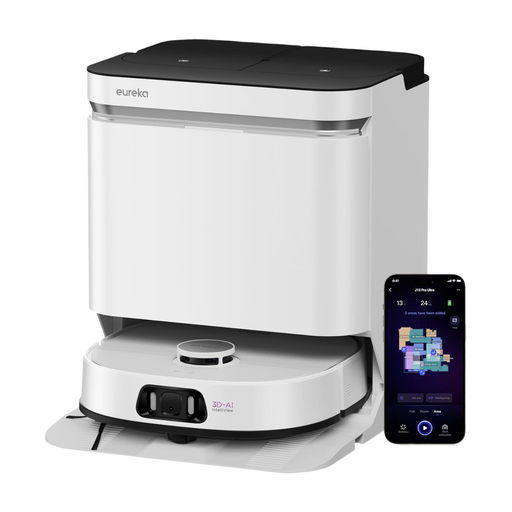
Why This Fits Their Persona: This model automates nearly the entire cleaning process. The station washes the mops with 75°C hot water (as per manufacturer specs), dries them, and refills the robot's water tank. Ideal for users who want minimal manual intervention.
The all-in-one station is comprehensively equipped, handling tasks (hot water mop washing, drying) that must be done manually on simpler models. The extendable edge cleaning (Flex-arm design) addresses a common weakness of many robots.
Comprehensive station with hot water mop washing and drying for minimal maintenance. The very high suction power of 16,200 Pa (as per manufacturer specs) ensures a deep clean.
We've compiled a complete, up-to-date list of products that fully meet these strict selection criteria and all relevant safety regulations.
The frequency depends heavily on usage and the level of dirt in your home. As a rule of thumb, the dust bag in the station needs to be changed every 30 to 75 days, depending on the model and household size. The fresh and dirty water tanks should be emptied or refilled every few days or weekly, depending on the cleaning area. The device's app will typically notify you when maintenance is required.
Yes. The LiDAR systems used in robot vacuums operate with Class 1 lasers. According to international safety standards, these lasers are eye-safe under all normal operating conditions and pose no risk to people or pets.
Even the most advanced stations require a minimum of maintenance. This includes regularly cleaning the robot's sensors with a soft cloth, checking the brushes for tangled hair or debris, and occasionally rinsing the filters. Additionally, the station itself, particularly the area where the mops are cleaned, should be kept clean to ensure hygienic operation.