
Lieferung heute & morgen

Qualitätsgarantie

Willkommens-Angebote freischalten: KOSTENLOSE Lieferung | Bis zu 80 % RABATT | Kostenlose 30-Tage-JoyPlus-Testphase
App herunterladen
A robot vacuum and mop with a self-emptying station can help reduce the amount of cleaning you need to do at home. In practice, however, models vary considerably when it comes to navigation, maintenance, carpet detection and station features. A high Pa rating alone won’t tell you whether a model is right for your home.
Families, pet owners and tech enthusiasts should look out for three common pitfalls before buying:
The Pa rating indicates suction pressure, but it isn’t the only measure of quality. If you’re looking for a robot vacuum for pet hair, a tangle-resistant main brush, an effective side brush and good carpet detection also matter.
Look for:
A powerful robot vacuum with 8,000 to 25,000 Pa may suit a range of households. However, figures from different brands aren’t always directly comparable, as testing conditions and designs vary.
A robot mop won’t necessarily replace manual cleaning for stubborn marks. What matters is how the device dispenses water, whether it lifts its mop and whether the station washes and dries the mop pads.
For homes with carpets and hard floors, these features can be useful:
A station with mop cleaning cuts down on manual effort, but you’ll still need to check the tanks, filters and cleaning tray.
A robot vacuum with laser navigation usually creates systematic maps and lets you manage rooms, no-go zones and cleaning schedules. Cameras, structured-light sensors and infrared sensors can also help detect cables, toys or pet bowls.
Before you buy, check:
For models with cameras, privacy and app settings are especially important. It’s also best to remove loose cables and small objects before a cleaning run, even if the robot has obstacle detection.
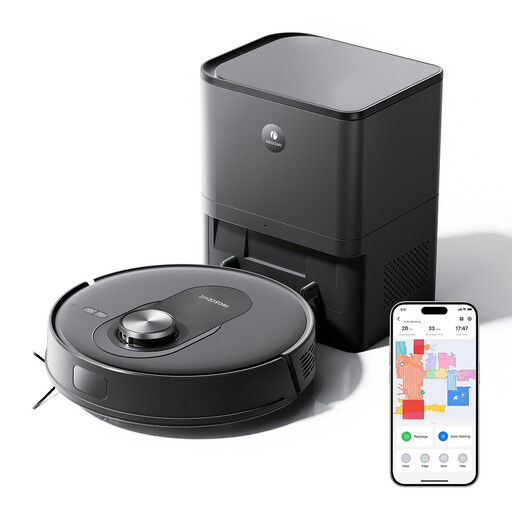
Why it suits this type of household: This model combines 8,000 Pa suction power, a runtime of up to 200 minutes and LiDAR mapping with app control. It’s a good choice if you want systematic everyday cleaning without an overwhelming range of features.
LiDAR navigation is less dependent on room lighting than systems based solely on cameras. You can create maps, no-go zones and room cleaning plans in the app.
8,000 Pa, runtime of up to 200 minutes, automatic dust emptying and map management for up to five floors, according to the product information.
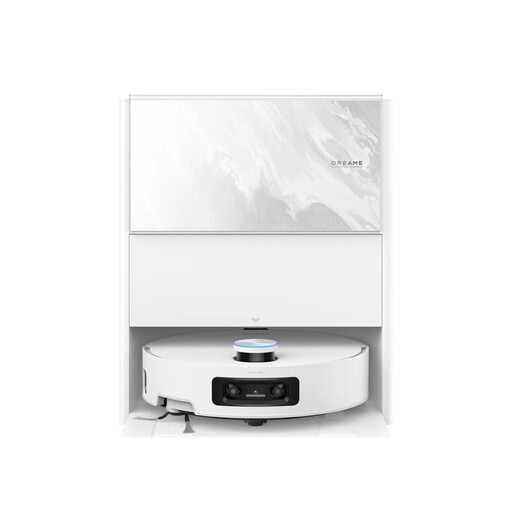
Why it suits this type of household: This model is designed for a high level of automation. It combines 25,000 Pa, AI-powered obstacle detection, an extendable mopping system and a station that cleans mops at 100°C and dries them at 50°C, according to the manufacturer.
Obstacle detection, an anti-tangle dual brush and automatic mop care help address common maintenance issues. However, the station needs plenty of space and its tanks require regular attention.
25,000 Pa, detection of more than 240 types of object according to the product description, and automatic hot-water cleaning.
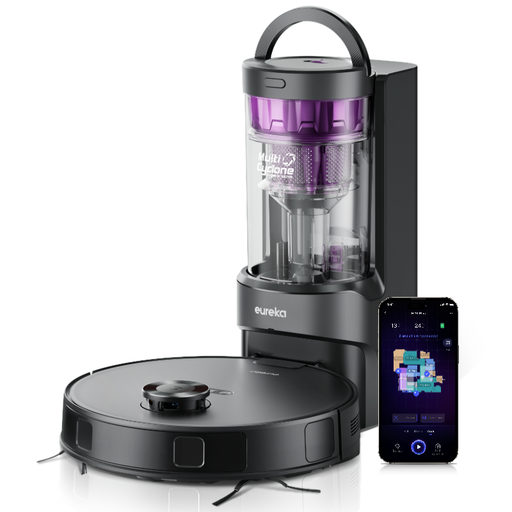
Why it suits this type of household: Three suction settings, 8,000 Pa and a stated runtime of up to 180 minutes make this model a good fit for homes with pet hair and mixed flooring. Its 10 mm mop lift can help protect carpets while mopping.
The station is bagless and uses a 2-litre container. The mop lift and carpet detection reduce the risk of using mop pads on carpeted surfaces.
Bagless station, 2-litre dust container, 3D obstacle detection and automatic 10 mm mop lift, according to the product information.
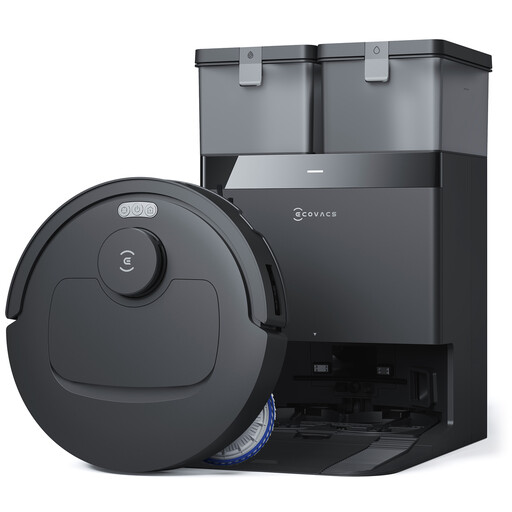
Why it suits this type of household: For frequent cleaning, this model offers 25,000 Pa, up to 180 minutes of runtime, laser navigation and an OMNI station with dust emptying, mop cleaning and drying, according to the product description.
Four suction settings, automatic mop lifting and ZeroTangle 3.0 brush technology let you tailor cleaning to carpets, hard floors and longer hair.
75°C mop cleaning, 45°C warm-air drying, a 3-litre dust bag and app control with several cleaning modes, according to the product specifications.
We’ve put together a complete, regularly updated list of products that meet these strict selection criteria and fully comply with the safety regulations in force in the EU.
Choose a level, dry spot for the station, with enough clearance around it. Check the instructions for your specific model. For example, the Dreame Aqua10 Ultra Track Complete requires at least 0.5 metres of space on each side and 1.5 metres in front of the station.
Ongoing costs include:
A bagless system can reduce ongoing costs for dust bags. However, you’ll usually need to empty or clean its dust container and filters manually more often. Before buying, it’s worth checking that spare parts are available in the UK.
It depends on the amount of dust and pet hair in your home, as well as how often you use the robot. Check the brushes and sensors regularly. Filters, mop pads and dirty-water tanks need to be cleaned or replaced as specified by the manufacturer. Self-emptying reduces the day-to-day effort, but it doesn’t eliminate the need for maintenance.
Many models detect carpets and lift their mop pads or increase suction power. Before buying, check the stated carpet detection, mop lift and maximum threshold height. For delicate or deep-pile carpets, setting no-go zones in the app may be a good idea.
There’s no guaranteed lifespan. It depends on the battery, brushes, filters, water care, operating hours and availability of spare parts. Regular cleaning, removing cables and using suitable cleaning products can help keep your robot running for longer.