
Lieferung heute & morgen

Qualitätsgarantie

Willkommens-Angebote freischalten: KOSTENLOSE Lieferung | Bis zu 80 % RABATT | Kostenlose 30-Tage-JoyPlus-Testphase
App herunterladen
A robot vacuum and mop with a self-emptying station can make everyday floor care much easier. But high Pascal ratings, a host of app features and fully automatic stations don’t automatically mean a model is right for you. What matters is whether the navigation, brushes, mopping system and station size suit your home.
Figures such as 8,000 or 25,000 Pa describe the maximum suction power under specific conditions. How well a robot actually picks up crumbs and pet hair also depends on the brush design, airflow, floor type and how full the dustbin is. If you have carpets, automatic suction adjustment or a separate carpet mode is also worth considering.
Automatic dust emptying means you won’t have to empty the robot’s dustbin every day. However, you’ll still need to clean the filters, main brush, side brush and sensors regularly. If the station also handles mopping, you’ll need to maintain the clean and dirty water tanks, mop pads and drying system too. Check whether the station uses dust bags or a bagless system, and which consumables you’ll need to replace.
LiDAR navigation maps your home and helps plan cleaning routes. However, thin cables, clothes, toys and small objects may still need to be detected or avoided. Before the first clean, move anything that could get in the way and place the station against a wall with enough space around it. In everyday use, a good app with no-go zones, room selection and scheduling is often more useful than a long list of technical terms.
If you have a mix of floor types, a robot vacuum for carpets and hard floors should be able to lift its mop pads when it detects a carpet, or let you block off carpeted areas in the app. Look for:
Run-time figures are usually based on specific cleaning modes. Maximum suction, carpets and frequent returns to the station can all reduce battery life.
A basic mop attachment is best suited to light marks on hard floors. Rotating pads or rollers can provide more contact with the floor. For added convenience, look for automatic mop cleaning, warm-air drying and automatic water dispensing.
Also check:
LiDAR navigation helps the robot map your home, even in low light, and often lets it save maps for multiple floors. Cameras and structured-light sensors can detect additional obstacles, but they don’t guarantee that the robot will avoid every problem.
Check your home network requirements too. Several models only support 2.4 GHz Wi-Fi. App controls, schedules, room-by-room cleaning and virtual walls are among the most useful features. If you’re looking for an Alexa-compatible robot vacuum, check that Alexa, Google Assistant or Siri works with the specific model you’re considering.
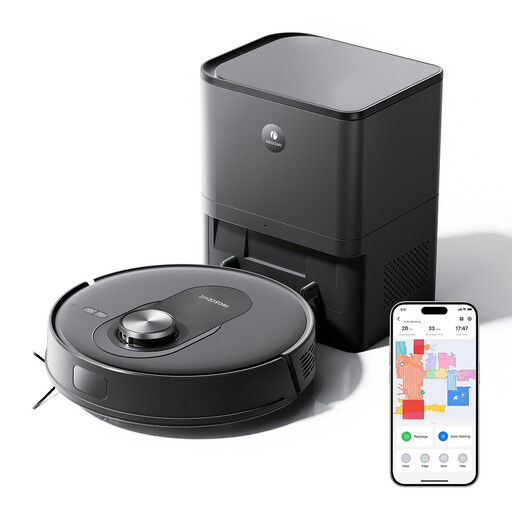
Why it suits this type of home: According to the product details, this model combines 8,000 Pa suction power, LiDAR mapping, up to 200 minutes of run time and a station that automatically empties the dustbin. It’s suitable for homes with hard floors, carpets and regular pet hair.
The product details specify automatic emptying, no-go zones and LiDAR mapping. That makes key convenience features clear, rather than relying on vague claims about “intelligence”.
Up to 200 minutes of run time, maps for up to five floors and app control with room plans.
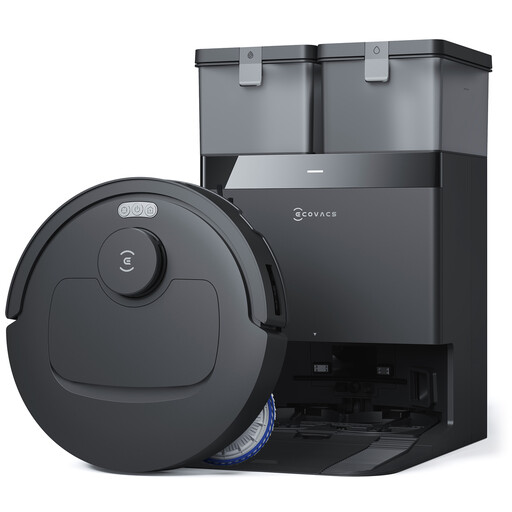
Why it suits this type of home: According to the product description, this model combines 25,000 Pa suction power, laser-based navigation, carpet detection and an OMNI station with dust emptying, mop-pad washing and drying.
The product specifications list specific station functions and four suction levels. They also explicitly mention automatic mop-pad lifting on carpets and ZeroTangle 3.0.
Up to 180 minutes of run time, 75°C mop washing according to the manufacturer and app-based room cleaning.
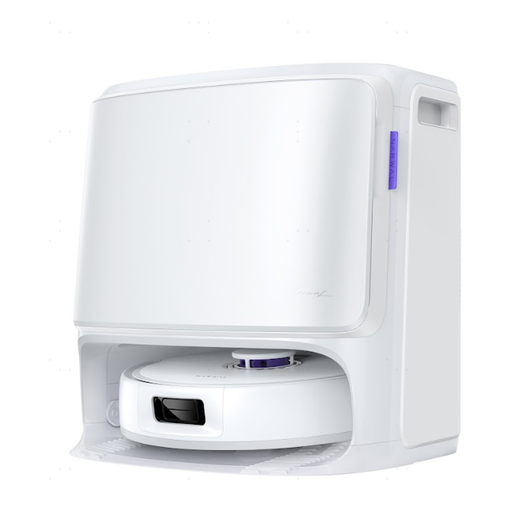
Why it suits this type of home: For pet owners, useful features include the stated 11,000 Pa suction power, a dual brush with anti-hair-tangle technology and a station that washes, dries and empties.
The brush design and clear details about the station address two common maintenance issues: tangled hair and having to clean the mop pads by hand.
2.5-litre dust bag according to the product details, LDS laser navigation and automatic carpet detection.
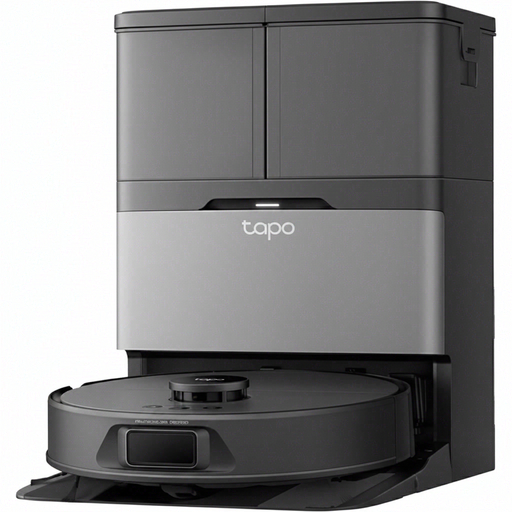
Why it suits this type of home: According to the product details, this model offers 15,000 Pa suction power, an all-in-one station, dual laser sensors and support for Alexa, Google Home and Matter.
The specifications cover specific obstacle-detection features, carpet lifting and anti-tangle components. This makes it easier to assess the model than relying on general marketing claims.
60°C mop washing according to the manufacturer, a 22 mm obstacle clearance and a 5-litre clean water tank.
We’ve put together a complete, regularly updated list of products that meet these strict selection criteria and fully comply with the safety regulations in force in the EU.
Depending on the model, the station may automatically empty the dustbin and clean and dry the mop pads. You’ll still need to check the filters, brushes, sensors and dirty water tank at the intervals recommended by the manufacturer. Even anti-tangle systems can’t always prevent pet hair from putting a strain on the main brush.
Yes, as long as the model has carpet detection or lets you set carpet zones. Automatic mop-pad lifting is important to stop carpets getting damp. If you have deep-pile carpets, also check the manufacturer’s guidance on floor suitability and the maximum obstacle clearance.
As well as electricity, you may need to buy dust bags, filters, mop pads and cleaning solution. Bagless stations mean fewer dust bags to buy, while bagged models often make it easier to dispose of dust with less mess. Before you buy, check the price and availability of the right replacement parts.