
Lieferung heute & morgen

Qualitätsgarantie

Willkommens-Angebote freischalten: KOSTENLOSE Lieferung | Bis zu 80 % RABATT | Kostenlose 30-Tage-JoyPlus-Testphase
App herunterladen
The idea is tempting: a single device that not only vacuums and mops but also returns to its station to clean itself, empty its dustbin, and prepare its mop for the next run. A robot vacuum and mop with a cleaning station promises exactly this level of convenience. However, the market is flooded with models whose marketing claims often shine brighter than the floors they clean. Before you make an investment, it's crucial to understand the common pitfalls that can lead to disappointment and unnecessary expense.
As your Joybuy Product Recommendation Officer, I have summarised the key points to help you make an informed decision and find a device that truly fits your household.
Many devices look impressive on paper but only reveal their weaknesses during everyday use. Pay special attention to these three problem areas:
To separate the wheat from the chaff, you should focus on objective technical features rather than pure marketing messages.
Not all stations are created equal. The differences determine the degree of autonomy and hygiene. A truly self-cleaning robot vacuum should have a station with the following functions:
The robot's ability to move intelligently and efficiently through your home is fundamental.
The mechanics of cleaning are just as important as the electronics.
Based on these objective criteria, we have identified several models that represent a suitable solution for different user profiles.
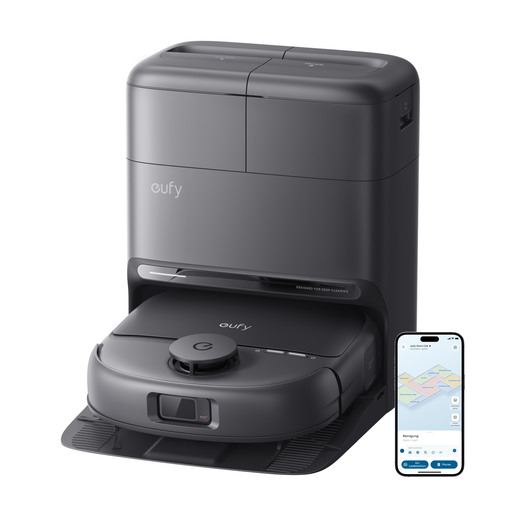
Why it's a good fit: The eufy C28 Omni offers a comprehensive 5-in-1 system with automatic mop cleaning, drying, and dust collection. It provides a solid entry point into the world of fully automated floor cleaning without breaking the bank.
The "HydroJet Self-Cleaning Roller Mop" technology counteracts the problem of unhygienic mops by actively cleaning the roller. Its AI-powered obstacle avoidance ensures more reliable navigation than simpler models.
Offers a complete automation package (vacuum, mop, clean, dry, empty) at an accessible price point. The 15,000 Pa suction power is sufficient for most homes with hard floors and low-pile carpets.
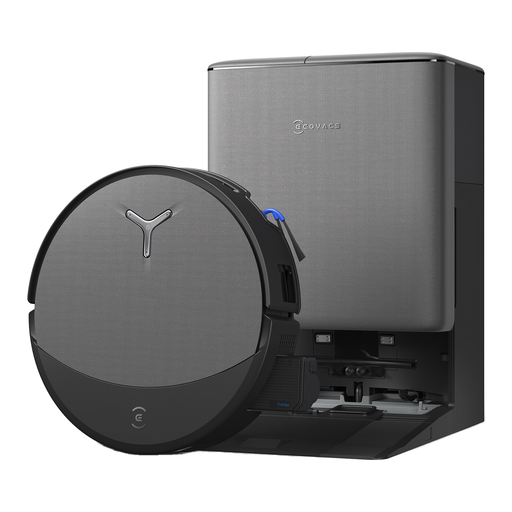
Why it's a good fit: This model is engineered for maximum performance. It's an excellent choice for demanding users, especially pet owners, who need uncompromising cleaning of hair and deep-seated dirt on all floor types.
With a manufacturer-stated suction power of up to 30,000 Pa and the ZeroTangle 4.0 anti-hair system, it directly addresses the issues of insufficient suction and tangled brushes. The TruePass 4WD System improves edge cleaning.
Extremely high suction power for deep cleaning carpets. The specialised system for preventing hair tangles significantly reduces maintenance.
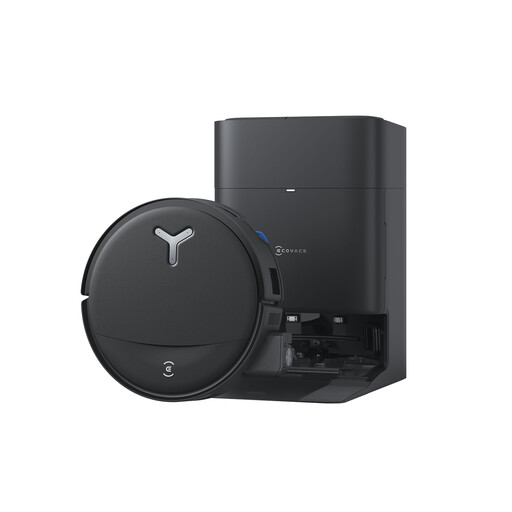
Why it's a good fit: For users who prioritise hygiene above all else. This device focuses on advanced, intelligent mop cleaning and is ideal for households with children or anyone who values a low-germ environment.
The temperature-controlled mop washing at up to 75°C (according to the manufacturer) and subsequent 45°C hot air drying are the direct answer to the unhygienic mop pitfall. The AI Stain Detection 2.0 adapts the cleaning process to the actual level of dirt.
Intelligent, temperature-controlled hot water mop cleaning for a high standard of hygiene. The Triple-Lift system prevents cross-contamination between carpets and hard floors.
We have compiled a complete, up-to-date list of products that fully meet these strict selection criteria and German safety regulations.
1. How often does the station of a robot vacuum and mop need to be maintained? The maintenance effort is significantly lower than with models without a station, but it's not zero. In an average household, you'll need to refill the fresh water tank and empty the dirty water tank about once a week. The dust bag in the station typically has a capacity that lasts for 30 to 60 days before it needs to be replaced.
2. Is a robot vacuum and mop suitable for both carpets and hard floors? Yes, modern combo devices are designed for both floor types. They feature automatic carpet detection. When the robot moves onto a carpet, it lifts its mopping pads to avoid getting the carpet wet and simultaneously increases suction power to effectively pull dirt and dust from the fibres.
3. What does a high suction power in Pascals (Pa) really mean? Pascal (Pa) is the physical unit for pressure and measures the strength of the vacuum created by the motor. A higher Pa value can indicate a better ability to pick up heavy debris and deep-seated dust. However, this is only one part of the equation. The design of the brush roller, the seal of the air duct, and the efficiency of the filter system are equally crucial for the actual cleaning performance on the floor.