
Lieferung heute & morgen

Qualitätsgarantie

Willkommens-Angebote freischalten: KOSTENLOSE Lieferung | Bis zu 80 % RABATT | Kostenlose 30-Tage-JoyPlus-Testphase
App herunterladen
A robot vacuum and mop can reduce the amount of cleaning you need to do around the home. However, models vary considerably in their navigation, maintenance requirements and how they handle carpets or pet hair. High suction power figures alone aren’t enough to help you choose the right robot vacuum and mop.
Suction power is often measured in pascals. A high figure can indicate strong suction, but it doesn’t tell you on its own how well a machine picks up hair from carpets. Brush design, airflow, filters, carpet detection and cleaning patterns are just as important.
If you’re looking for a powerful robot vacuum for pet hair, look for an anti-tangle system and an easily accessible main brush. Otherwise, cleaning performance may suffer after a few weeks as hair builds up around the brush.
A self-emptying robot vacuum means you don’t have to empty the dustbin every day. All-in-one station models can also wash and dry the mop or refill the water tank. Even so, filters, brushes, sensors, the dirty-water tank and the cleaning tray still need regular attention.
Before you buy, check which consumables you’ll need and how much space the station takes up. A large station can be impractical in a small flat, hallway or kitchen.
A robot mop won’t replace a thorough manual clean for stubborn, dried-on dirt. Mopping performance depends on the design: rotating mops, roller systems and pressure-based systems work differently from simple cloths. If you have carpets, automatic mop lifting or a carpet avoidance zone is also important.
Before its first run, remove loose cables, small items and delicate decorations. Even a robot with good navigation may not reliably detect very small obstacles.
A robot vacuum with LiDAR navigation uses laser sensors to create a digital map and clean rooms systematically. This is particularly useful in larger homes, properties with several rooms or when you want to set regular cleaning schedules. Check whether the app supports room maps, no-go zones, virtual walls and custom cleaning modes.
Cameras or 3D sensors can improve obstacle detection. Even so, the floor should be clear of cables, liquids and small objects before the robot starts cleaning.
Depending on the model, a robot mop with an auto-empty station will empty the dustbin for you. More advanced stations wash and dry the mops, dispense cleaning solution or refill the water tank. When choosing a model, consider the capacity of the dust bag and the clean- and dirty-water tanks in relation to the size of your home.
Automatic mop cleaning is convenient for families and busy people, but it means the station needs extra cleaning. Manufacturer estimates for running time or dust-bag life should be treated as a guide, as they depend on floor area, how much dirt there is and how much pet hair needs picking up.
A robot vacuum for carpets and hard floors should adjust its suction power and lift the mop when it detects a carpet. Check the stated threshold height, too. Door bars and transitions between rooms can restrict movement, even when navigation is good.
For pet hair, a rubber brush, anti-tangle technology and an easily accessible brush cover are useful features. However, how well the robot performs also depends on hair length, carpet pile and how often you clean.
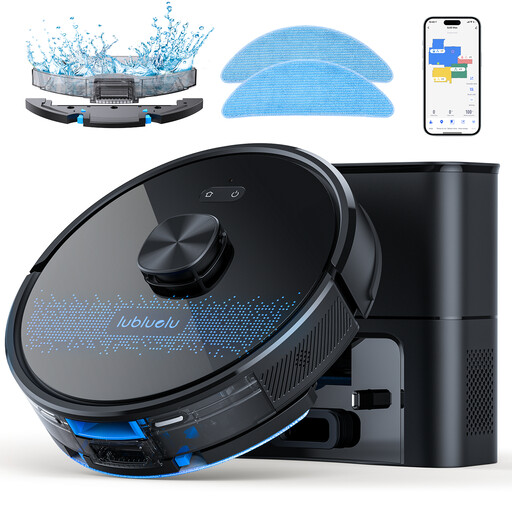
Why this product suits this household: This model combines vacuuming, mopping, laser navigation and app control. It’s a good fit for households looking for key automated features without needing a full all-in-one station.
The suction station means you’ll need to empty the dustbin less often. You’ll still need to remove cables and delicate items before use.
4,000 Pa according to the product specifications, laser navigation and app control; suitable for hard floors and carpets.
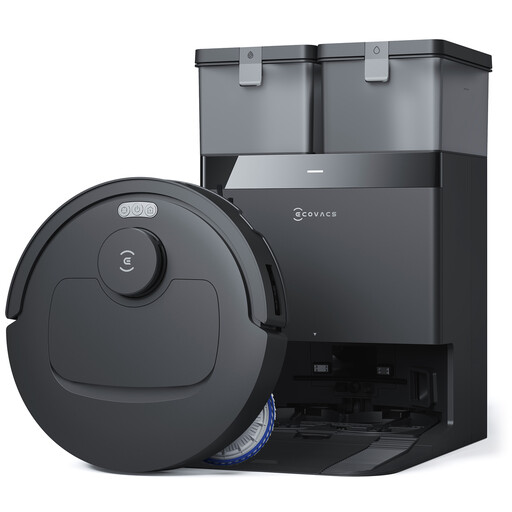
Why this product suits this household: The OMNI station combines automatic dust emptying, mop cleaning and hot-air drying. It’s well suited to larger households that need to mop regularly.
Carpet detection and automatic mop lifting help prevent carpets from getting wet. Filters, brushes and tanks still need regular maintenance.
25,000 Pa according to the product specifications, 75°C mop cleaning and four adjustable suction levels via the app.
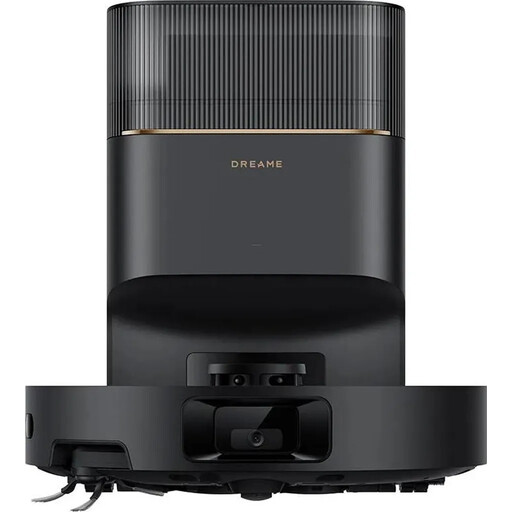
Why this product suits this household: Its 5-litre dust bag, app control and long running time make it a good choice for busy people, pet owners and larger homes.
The Detangling DuoBrush is designed to prevent hair tangles, according to the product specifications. The mops still need to be rinsed and dried.
13,000 Pa, a 5-litre dust bag and a stated running time of up to 260 minutes in vacuum mode.
We’ve put together a complete, regularly updated list of products that meet these strict selection criteria and the safety regulations in force in the EU.
Place the station on a level, dry surface, leaving the clearance recommended in the instruction manual. Fully charge the robot, connect it to the app and start an initial mapping run. You can then set rooms, cleaning times, suction levels and no-go zones.
Its lifespan depends on how often you use it, how well you maintain it and whether replacement parts are available. Regularly cleaning the filter, brushes, sensors and station can help keep it working as intended. Batteries and wear parts don’t last indefinitely, so check the guidance from the relevant manufacturer.
In addition to electricity, you may need to pay for dust bags, filters, mop pads, side brushes and cleaning products. Stations that clean mops with water also require you to maintain the clean- and dirty-water tanks and clean the washing tray. Before you buy, check that compatible accessories are available and compare their prices.