
Lieferung heute & morgen

Qualitätsgarantie

Willkommens-Angebote freischalten: KOSTENLOSE Lieferung | Bis zu 80 % RABATT | Kostenlose 30-Tage-JoyPlus-Testphase
App herunterladen
The idea of a home that practically cleans itself is an appealing one for many. A robot vacuum with a mopping function and an auto-empty station promises just that: autonomy and clean floors with minimal effort. However, the market is saturated with technical jargon and marketing promises that make choosing difficult. Before you make a decision, it's crucial to distinguish key performance features from mere advertising claims.
This guide will help you avoid common pitfalls and identify the features that truly matter for consistently satisfactory cleaning performance.
Investing in a fully automated cleaning system can be significant. This makes it all the more important to be aware of common misconceptions that often lead to an unsatisfactory outcome.
To find the right device for your needs, you should focus on the technical features that have the greatest impact on everyday usability.
A robot vacuum with an all-in-one station is the key to a truly autonomous experience. Pay attention to the station's range of functions:
The precision of the navigation determines the efficiency and thoroughness of the cleaning.
A good device must be flexible. For households with mixed floor types, the ability to distinguish between carpets and hard floors is crucial. Features like automatically lifting the mopping pads upon carpet detection prevent carpets from getting wet. An adaptable robot vacuum with powerful suction that automatically increases on carpets ensures a deep clean.
Instead of making a one-size-fits-all recommendation, we have identified models tailored to specific user profiles and their requirements.
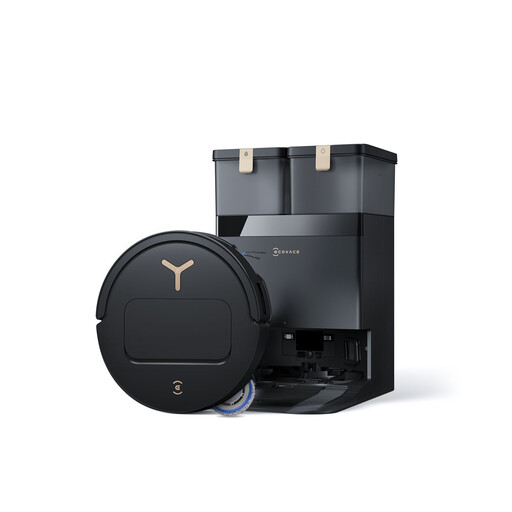
Why this model is a good fit: For users seeking maximum automation and cleaning power. Ideal for large, complex living spaces with pets and children, where thorough and intelligent cleaning is a must.
The OMNI station with hot-water mop washing and adaptive edge cleaning (TruEdge 2.0) goes far beyond a simple mopping function. The AIVI 3D 3.0 obstacle detection avoids the pitfall of poor navigation.
The combination of very high suction power (up to 25,000 Pa according to the manufacturer), advanced edge cleaning, and a fully-featured cleaning station offers a comprehensive cleaning package.
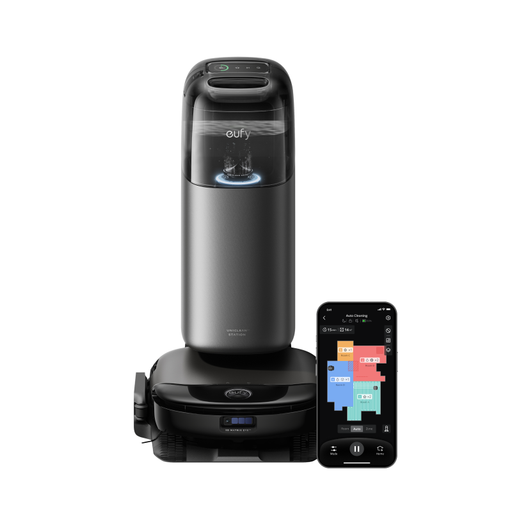
Why this model is a good fit: For users who value thorough cleaning right into the corners and want a device that fits aesthetically into a modern living environment.
The square design allows for better cleaning of corners and edges. The HydroJet system with its continuously cleaned mop (AlwaysCleanMop) directly addresses the weakness of basic mopping systems.
The combination of a square design for improved edge cleaning and an advanced mopping system makes it an effective solution for hard floors.
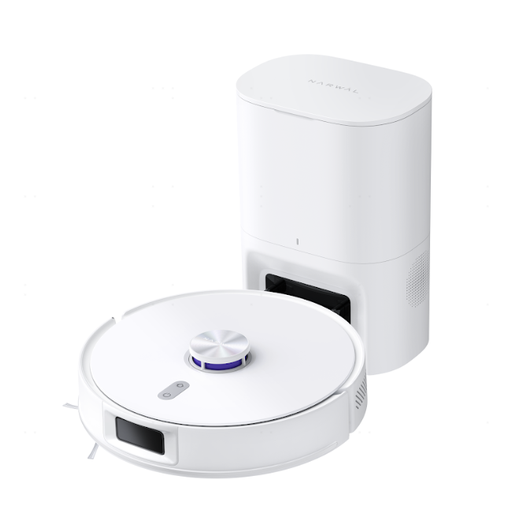
Why this model is a good fit: Ideal for users with large apartments or houses, as well as pet owners who prefer low maintenance when it comes to dust disposal.
The high suction power of 8000 Pa is designed for pet hair and deep-seated dirt, avoiding the trap of inadequate cleaning performance. The precise LDS laser navigation ensures efficient coverage of large areas without missing spots.
The large 3.5-litre dust bag in the station significantly reduces the frequency of manual emptying, which maximises the system's convenience and autonomy.
We have compiled a complete, up-to-date list of products that fully meet these strict selection criteria and safety regulations.
The frequency depends on the size of the dust bag in the station, the size of your home, the number of occupants, and the presence of pets. On average, the dust bag in most models needs to be changed every 30 to 75 days. The dirty water tanks need to be emptied more frequently depending on usage, typically after a few cleaning cycles.
Modern devices are equipped with ultrasonic carpet detection. When the robot detects a carpet, it automatically lifts its mopping pads to prevent the carpet from getting wet. Additionally, the suction power is often increased on carpets to ensure a deeper clean.
Although these devices are considered "low-maintenance," they are not completely maintenance-free. Regular tasks include changing the dust bag and emptying/refilling the water tanks. Periodically, the robot's sensors should also be cleaned, the brushes checked for tangled hair, and the cleaning station itself wiped down. Filters and brushes are consumables that need to be replaced every few months according to the manufacturer's instructions.