
Lieferung heute & morgen

Qualitätsgarantie

Willkommens-Angebote freischalten: KOSTENLOSE Lieferung | Bis zu 80 % RABATT | Kostenlose 30-Tage-JoyPlus-Testphase
App herunterladen
A fully automated home assistant that vacuums, mops, and then cleans itself—this is the promise of modern robot vacuums with mopping functions and cleaning stations. However, the market is flooded with devices whose marketing often promises more than the technology can deliver. As a Joybuy Product Recommendation Officer, my job is to help you distinguish objective facts from exaggerated advertising claims. Before you make an investment, you should know the three most common pitfalls that lead to disappointment.
To avoid a bad purchase, you should focus on three core technical features. These define the actual performance and convenience of a vacuum and mopping robot.
An advanced all-in-one station is the heart of automation. Look for the following features that reduce maintenance to a minimum:
The way a robot mops determines whether you get a streak-free finish. A robot mop with self-cleaning should have an active system:
A robot vacuum with high suction power is particularly important for households with pets and carpets. But the Pa number alone must be viewed in context:
Based on the criteria above, we have identified models that are suitable for specific requirement profiles.
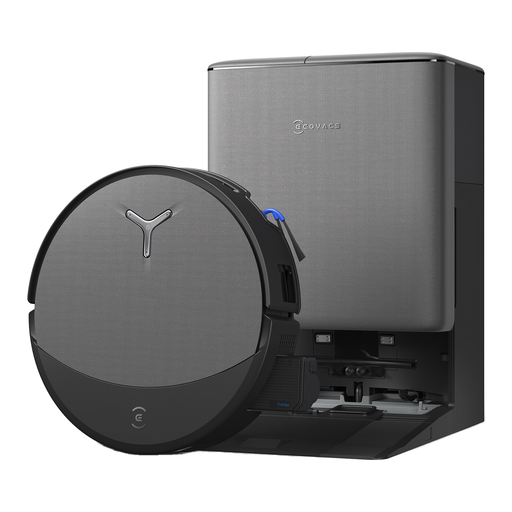
Why it's a good fit: Ideal for demanding environments with pet hair and mixed flooring. The extremely high suction power and specialised brush technology ensure a deep clean on carpets, while the climbing system can tackle higher door thresholds.
Debunks the "overrated suction power" trap. According to the manufacturer, up to 30,000 Pa of suction power is combined with ZeroTangle 4.0 anti-hair-tangle technology, enabling provably effective pickup of dirt and hair.
The TruePass Adaptive 4WD climbing system overcomes obstacles up to 24 mm high, which is a key advantage in homes with many door thresholds. The AIVI 3D 4.0 navigation reliably detects and avoids small objects.
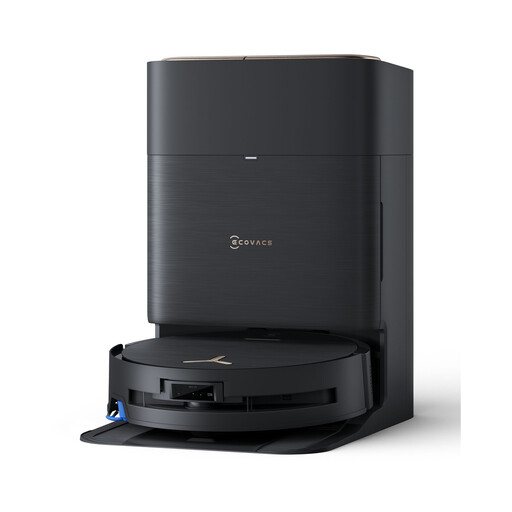
Why it's a good fit: Perfect for households where flawless mopping performance and gap-free cleaning right into the last corner are the priority. The combination of a mopping roller and dynamic edge extension is the main focus here.
Solves the "deceptive mopping function" trap. Instead of a passive cloth, it uses OZMO Roller mopping technology, which, according to the manufacturer, works with high pressure and continuously self-cleans to prevent dirt from being spread around.
The TruEdge 2.0 technology with a 3D edge sensor allows the robot to dynamically extend its mopping roller to clean edges and corners with a gap of just 1 mm. The station washes the mop with water heated up to 75°C.
We have compiled a complete, up-to-date list of products that fully meet these strict selection criteria and German safety regulations.
Maintenance for modern devices is minimal. Typically, the dust bag in the station only needs to be replaced every 60 to 90 days. The fresh and dirty water tanks should be emptied or refilled every few days or weekly, depending on usage. According to manufacturer specifications, a thorough manual cleaning of the station itself is often only required once or twice a year.
Yes, advanced models are equipped with ultrasonic sensors for carpet detection. As soon as a carpet is detected, they automatically lift their mop pads or rollers. At the same time, the suction power is increased to deep-clean the carpet without getting it wet.
Models with advanced intelligent navigation, which use a combination of structured light (similar to Face ID), cameras, and ToF (Time-of-Flight) sensors, can recognise a wide variety of obstacles. This includes flat objects like charging cables, socks, slippers, or pet toys, which are then specifically avoided. This minimises the risk of the robot getting stuck or damaging items.