
Lieferung heute & morgen

Qualitätsgarantie

Willkommens-Angebote freischalten: KOSTENLOSE Lieferung | Bis zu 80 % RABATT | Kostenlose 30-Tage-JoyPlus-Testphase
App herunterladen
A robot vacuum that not only vacuums but also mops—and then empties and cleans itself at a docking station—promises to be a significant time-saver in any household. However, the market is flooded with models whose technical specifications and marketing claims often create more confusion than clarity. Before you make a purchase, it's crucial to understand the most common pitfalls that can lead to unsatisfactory cleaning performance.
Many devices look powerful on paper but disappoint in practice. Pay attention to these three critical points to avoid a bad investment.
To separate the best from the rest, you should focus on the technical features that have a direct impact on daily use and cleaning results.
The robot's ability to move autonomously and safely through your home is fundamental.
A modern robot mop with automatic cleaning should do more than just wipe with a damp cloth.
For households with pets or numerous carpets, the brush design is critical.
Based on the criteria above, we have selected a few models for different user profiles.
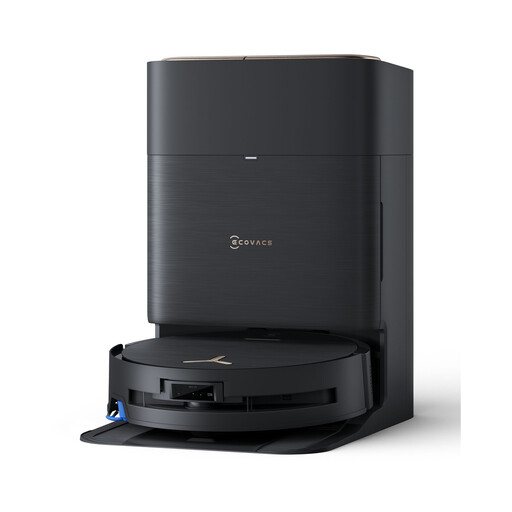
Why it's a match: Ideal for users who want maximum automation and a thorough clean right to the edges. The device combines high suction power with advanced mopping and navigation technology.
The TruEdge 2.0 technology with its extendable mop addresses the edge cleaning problem. The OZMO roller mops actively clean instead of just wiping, and the all-in-one station with hot-water washing ensures hygiene.
High suction power of 16,600 Pa, AIVI 3D 3.0 obstacle detection, and a station that washes and dries mops with water up to 75°C (167°F).
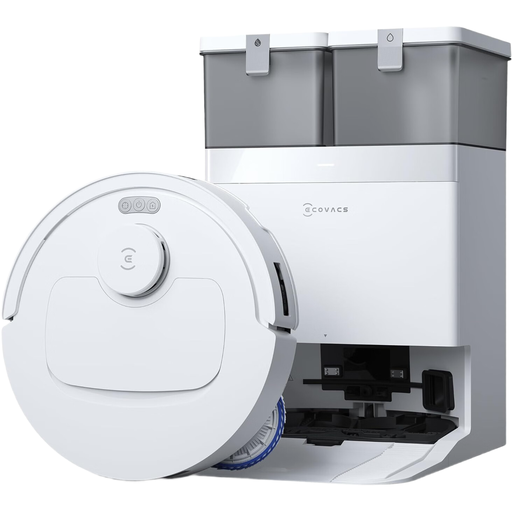
Why it's a match: For pet owners, removing hair without constantly maintaining the brush is crucial. This model is specifically designed to minimise tangles.
The ZeroTangle 3.0 anti-tangle technology with a special brush structure reduces the need for manual hair removal. The high suction power of 20,000 Pa is effective against pet hair on carpets and hard floors.
TruEdge 2.0 edge cleaning, OZMO Turbo 2.0 mopping system, and an all-in-one station with 75°C (167°F) hot-water mop washing.
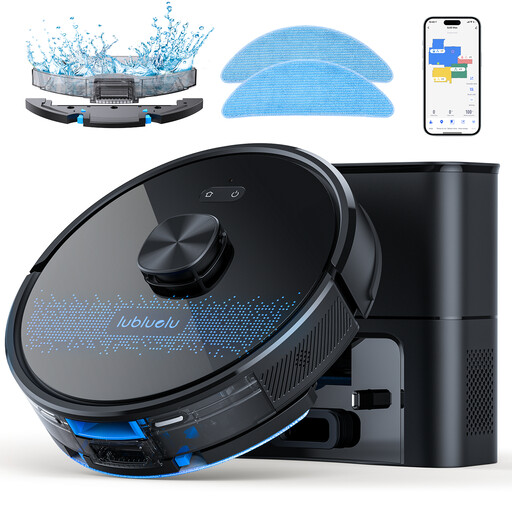
Why it's a match: This device offers the core functionality—vacuuming, mopping, and self-emptying—at an accessible price point. It's a solid choice for anyone looking to get started in the world of robot cleaners.
While it lacks premium features like hot-water washing, it offers solid 4000 Pa suction and a functional mopping feature. Its laser navigation ensures systematic cleaning, avoiding the pitfall of uncoordinated, random paths.
3-in-1 functionality (vacuum, mop, self-empty), precise laser navigation, and app control.
We have compiled a complete, up-to-date list of products that fully meet these strict selection criteria and UK safety regulations.
1. How often does the dust bag in the auto-empty station need to be changed? The frequency heavily depends on the size of your household, the presence of pets, and how often you clean. On average, the bag in the station needs to be replaced every 30 to 90 days. Most apps will notify you when a change is required.
2. Can a robot vacuum with mopping function detect and avoid carpets? Yes, most modern devices are equipped with ultrasonic sensors that reliably detect carpets. When the robot moves onto a carpet, it will automatically lift its mopping pads or stop the water flow and increase suction power to keep the carpet dry and deep-clean it.
3. Is installing an auto-empty station complicated? No, the setup is typically very simple. The station is placed against a wall with sufficient clearance to the sides and front and plugged into a power outlet. For models without a direct water line connection, no plumbing is required. The connection to the robot and your Wi-Fi is handled through the companion smartphone app.