
Lieferung heute & morgen

Qualitätsgarantie

Willkommens-Angebote freischalten: KOSTENLOSE Lieferung | Bis zu 80 % RABATT | Kostenlose 30-Tage-JoyPlus-Testphase
App herunterladen
A robot vacuum with mopping function can make everyday floor care much easier. However, robot vacuum mops vary considerably in navigation, maintenance requirements and cleaning method. A high Pa figure alone does not tell you whether a model is right for your home, floors or daily routine.
Figures such as 18,000 or 30,000 Pa describe the maximum negative pressure. What also matters is how the brushes, airflow and carpet detection work together. A powerful robot vacuum should adjust its suction power on carpets and guide hair towards the suction opening as effectively as possible.
A robot vacuum with self-cleaning can automatically rinse and dry its mopping rollers or mop pads. However, water tanks, filters, sensors and brushes still require regular care. When dealing with pet hair, it is also important to check whether an anti-tangle system is included and how easily the brush can be removed.
A robot vacuum with AI navigation or 3D obstacle detection can identify cables, furniture and objects more effectively. Nevertheless, loose shoelaces, small toys and spilled liquids should be removed before starting. The station also needs a level position with sufficient clearance.
Several factors are relevant for hard floors and carpets:
According to the product specifications, the ECOVACS DEEBOT N20 Plus operates with 8,000 Pa, LIDAR navigation and ZeroTangle technology. For larger areas, the manufacturer states a runtime of up to 300 minutes. These figures apply to specific operating modes and may vary when using maximum power.
With a robot vacuum mop, it is not just the water output that matters. Look for:
Mopping rollers with continuous self-cleaning can help prevent dirty water from being spread over larger areas. Nevertheless, heavily sticky substances or larger quantities of liquid should not simply be left for the device to deal with.
LIDAR, cameras and 3D sensors create maps and support systematic route planning. Before buying, check whether the app allows room-by-room cleaning, no-go zones, schedules and different cleaning modes.
A self-emptying station reduces the need to empty the dust container manually. All-in-one stations can also wash and dry mop pads, refill water and, in some cases, dispense cleaning solution. However, they require more floor space and incur additional running costs for dust bags, filters, mop pads and cleaning fluid.
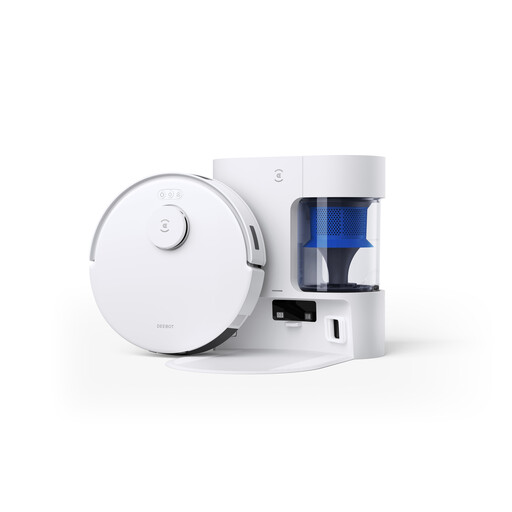
Why this product suits this profile: This robot vacuum combines 8,000 Pa suction power, LIDAR mapping and a bagless PureCyclone station. It offers a well-balanced specification for homes with hard floors, carpets and moderate maintenance needs.
The bagless station avoids ongoing dust-bag costs. ZeroTangle technology also tackles the common problem of hair collecting around the main brush.
LIDAR navigation, up to 300 minutes of runtime according to the product specifications, and a 400-ml dust container.
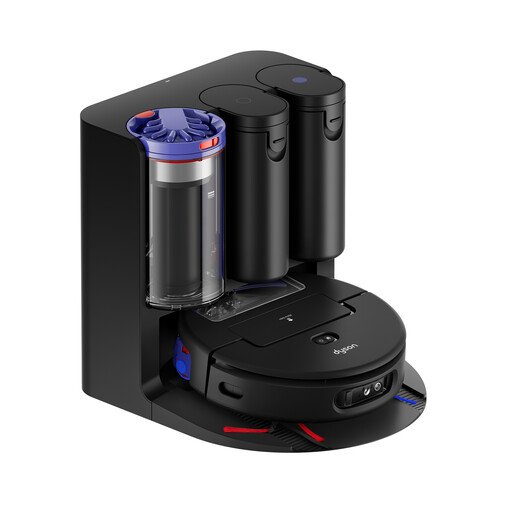
Why this product suits this profile: This model is designed for hard floors and larger areas, combining wet and dry cleaning with sensor-assisted dirt detection.
According to the product description, the mopping roller is moistened with clean water during rotation and cleaned automatically. This reduces the risk of simply spreading dirt around.
18,000 Pa suction power, up to 140 minutes of runtime and 27 sensors with a LiDAR system, according to the supplier's specifications.
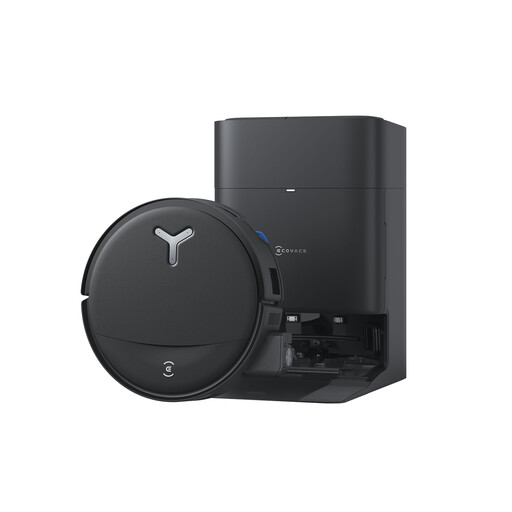
Why this product suits this profile: For households with pets, multiple floor types and frequent cleaning cycles, this model offers extensive station automation and a dedicated anti-tangle system.
Automatic carpet detection and the Triple-Lift system separate mopping and vacuuming across different floor types. This reduces the risk of accidentally dampening carpets.
24,800 Pa, OZMO ROLLER 2.0, hot-water washing at 40–75 °C and warm-air drying at 45 °C, according to the product data.
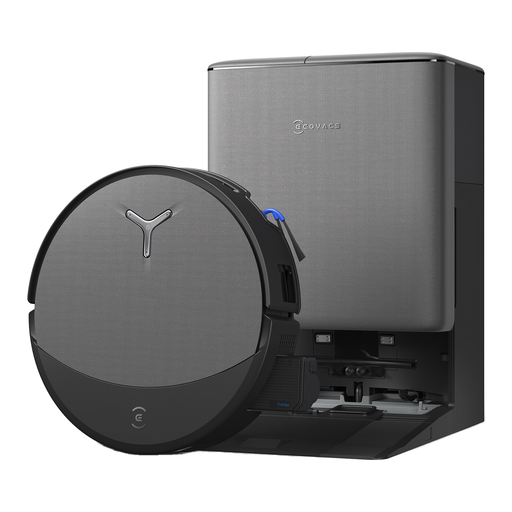
Why this product suits this profile: This model is aimed at users who want to combine long runtimes, high suction power and an automatic maintenance station for different floor coverings.
ZeroTangle 4.0, automatic station maintenance and a runtime of up to 350 minutes address common maintenance and coverage issues.
Up to 30,000 Pa, up to 350 minutes of runtime and an OMNI station with high-pressure clean-water cleaning, according to the product specifications.
We have put together a complete, regularly updated list of products that fully meet these strict selection criteria and the safety regulations applicable in the EU.
Yes, provided the model can detect carpets and raise its mop pads. If your home has lots of carpets, you should also look for automatic suction adjustment and a sufficient threshold height.
Even a model with a self-emptying station requires care. Filters, brushes, sensors, the dirty-water tank and the mopping system should be checked and cleaned in accordance with the user manual. The station reduces the workload, but it does not eliminate the need for maintenance.
In addition to electricity consumption, there are costs for filters, side and main brushes, mop pads, dust bags and, where applicable, cleaning products. Bagless stations avoid dust-bag costs, while all-in-one stations may use more consumables because of their additional water and drying functions.