
Lieferung heute & morgen

Qualitätsgarantie

Willkommens-Angebote freischalten: KOSTENLOSE Lieferung | Bis zu 80 % RABATT | Kostenlose 30-Tage-JoyPlus-Testphase
App herunterladen
A robot vacuum cleaner with mopping function can make daily cleaning much simpler. However, devices differ significantly when it comes to navigation, maintenance and carpet detection. High Pa values alone don’t tell you whether a robot vacuum and mop will work reliably in your home.
This buying guide from the Joybuy Product Recommendation Officer shows which specifications matter before you buy, which marketing pitfalls are often overlooked, and which profile suits which features.
Figures like 16,200 or 25,000 Pa describe the maximum suction power under certain conditions. What also matters is whether the main brush picks up hair, how well the robot reaches edges, and whether the suction power adjusts automatically on carpets.
For a robot vacuum for pet hair, several components are therefore relevant: brush design, filter, carpet detection and anti-tangle technology.
A station can empty the dustbin or wash the mops. Depending on the model, however, you may still need to empty the fresh and dirty water tanks, clean the filters and check the brushes. Even a robot vacuum with self-cleaning requires regular care.
So pay attention to which functions are actually automated: mop washing, drying, dust extraction and cleaning of the base plate are not included to the same extent on every device.
A robot vacuum for hard floors and carpets should be able to lift the mop when it detects a carpet, or let you exclude carpeted areas in the app. Otherwise, moisture can remain on the carpet. An automatic mop lift of, say, 10 mm is a specific technical specification, but it doesn’t replace checking the carpet height in your own home.
Laser navigation, structured light sensors or 3D obstacle detection can help with mapping and manoeuvring around furniture. For families with cables, toys or pets, app features like no-go zones, virtual walls and room cleaning are also practical.
An intelligent robot vacuum shouldn’t just create a map; it should also be able to adapt cleaning to rooms and floor types. Check whether the app is compatible with your smartphone’s operating system and whether a 2.4 GHz Wi-Fi connection is required.
With long hair, a classic roller brush can quickly become clogged. A robot vacuum with anti-hair tangling uses, for example, combs, special brush profiles or cutting mechanisms to remove hair from the brush. This reduces the manual cleaning effort, but doesn’t eliminate it entirely.
For households with pets, an accessible filter and a sufficiently large dustbin are also important. Manufacturer information on emptying intervals should be taken as a guide, as the amount of fur and the size of your home will affect actual usage.
A robot mop with an auto-empty station can automatically empty the dustbin into a station bag or container. With a robot vacuum with hot-water mop washing, you should also compare the wash temperature, drying method and the capacity of the water tanks.
A station that washes the mop with water at 75 °C does so at a higher temperature than a model without a hot-water function. That’s a technical feature, but not a blanket guarantee of a specific hygienic effect. Only use approved cleaning agents and follow the instruction manual.
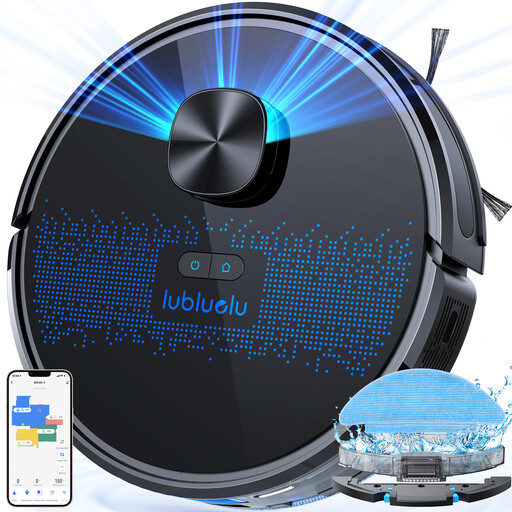
Why this product suits the profile: This 2-in-1 model combines vacuuming and mopping, offers laser navigation with five maps and can be controlled via app. With 4,000 Pa, it’s suitable for smaller to medium-sized homes with hard floors, carpets and moderate pet hair.
The details on app control, map management and regular mop cleaning make the actual maintenance effort clearer.
Laser navigation, five maps and a stated noise level of 55 dB.

Why this product suits the profile: This model combines 25,000 Pa (according to the manufacturer) with TrueMapping 2.0 laser navigation, app control and an OMNI station with 75 °C mop washing and 45 °C warm-air drying.
The automatic dust emptying, mop washing and mop lifting on carpets reduce typical maintenance and moisture issues.
Up to 180 minutes of runtime according to the product specification, four suction levels and automatic mop lifting.
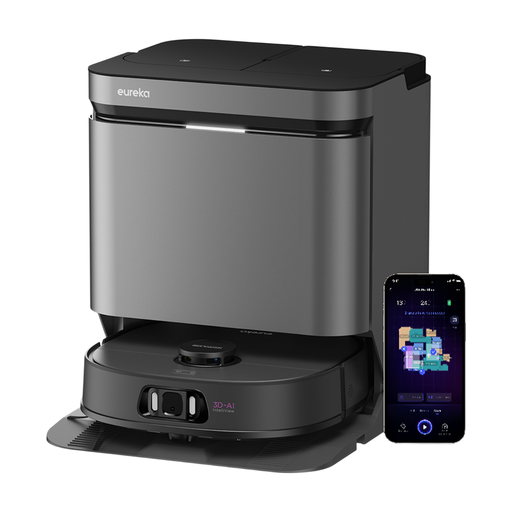
Why this product suits the profile: According to the manufacturer, this robot features 16,200 Pa, ScrubExtend edge cleaning, FlexiRazor anti-wrap technology and a station with 75 °C hot-water cleaning. That suits households with pets and frequent cleaning needs.
The stated anti-wrap technology addresses hair build-up; additionally, mop washing, drying and dust emptying are handled by the base station.
Edge cleaning with an extendable mopping module and automatic station cleaning.
We’ve put together a complete, regularly updated list of products that fully meet these strict selection criteria and the safety regulations in force in the EU.
That depends on the size of your home, the amount of pet hair and how often you use it. The dustbin, dirty water tank and mop should be checked regularly. Brushes and filters usually need cleaning according to the instructions in the relevant user manual.
Yes, provided the model detects carpets and automatically lifts the mop, or lets you block off carpeted zones in the app. With high-pile carpets, you should also check the stated obstacle height and the actual height of the device.
In addition to electricity consumption, you may need dust bags, cleaning agents, replacement mops, filters and brushes. A bagless station system can reduce the need for dust bags. Check the prices and availability of consumables before you buy.