
Lieferung heute & morgen

Qualitätsgarantie

Willkommens-Angebote freischalten: KOSTENLOSE Lieferung | Bis zu 80 % RABATT | Kostenlose 30-Tage-JoyPlus-Testphase
App herunterladen
A device that vacuums, mops, and then empties itself promises to be a significant help around the house. But the market for robot vacuums and mops is crowded, and not every model lives up to its advertising. Before you make a purchase, it's crucial to understand the common pitfalls that often only become apparent after a few weeks of use.
We'll show you the three most common weaknesses to watch out for and which technical features are truly essential for a clean home.
Many devices look promising at first glance but prove to be impractical in daily use. Pay close attention to these points to avoid a bad purchase:
To avoid the problems mentioned above, you should focus on a few core parameters when making your selection. These define the true performance and convenience of a device.
Navigation is the robot's brain. Precise smart navigation is essential for the device to clean systematically and without gaps.
The station is the heart of convenience. Its functions go far beyond simply emptying the dustbin.
For homes with pets or carpets, suction power and brush design are of central importance.
Based on the criteria above, we have identified a few models that represent a considered choice for different needs and households.
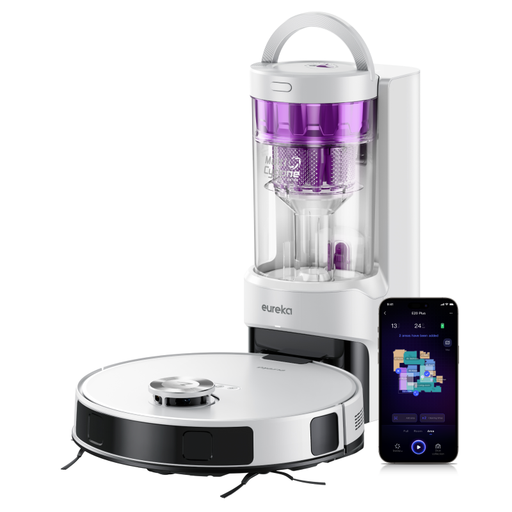
Why This Fits Their Persona: This model offers a fully automated solution with vacuuming, mopping, and an auto-empty station at an attractive price-performance ratio. It's ideal for users who want the convenience of automated cleaning without a high initial investment.
The bagless auto-empty station avoids the running costs of expensive disposable bags while also being better for the environment.
Offers high suction power (8,000 Pa according to the manufacturer) and a smart 10 mm mop-lift to keep carpets dry.
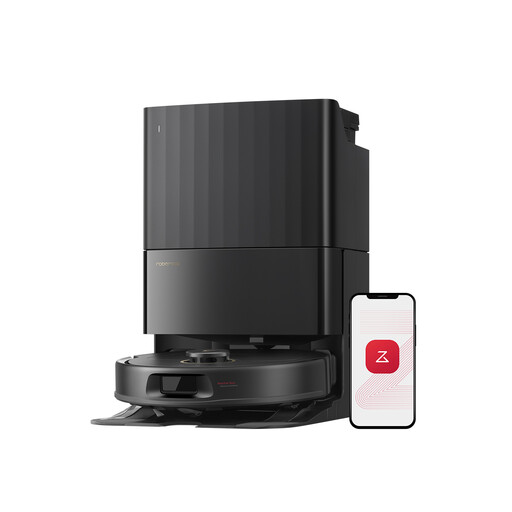
Why This Fits Their Persona: This model is designed for the specific challenges of pet hair and cleaning both hard floors and carpets. The combination of strong suction and specialised brushes makes it a great choice for pet owners.
The dual anti-tangle brush technology effectively prevents long hair and pet fur from tangling, which minimises maintenance.
Features an extendable FlexiArm mop for thorough edge cleaning and hot-air mop drying to prevent odours.

Why This Fits Their Persona: For users seeking a comprehensive, nearly maintenance-free cleaning experience. The all-in-one station handles almost every task, from dust disposal to hygienic mop cleaning.
The station cleans the mop pads with 75°C hot water, which prevents simply spreading dirt and ensures hygienic cleanliness.
Offers a very high suction power of 25,000 Pa (according to the manufacturer) and ZeroTangle 3.0 technology for outstanding cleaning performance on all surfaces.
We have compiled a complete, up-to-date list of products that fully meet these strict selection criteria.
The frequency depends on the model and usage. For stations with dust bags, the bag needs to be replaced every 30 to 60 days, depending on household size and dirt levels. With bagless systems, the container is emptied as needed. For all-in-one stations, you also need to refill the clean water tank and empty the dirty water tank, typically after several cleaning cycles.
Yes, modern models with a mop-lifting feature can do this. When the robot detects a carpet, it automatically lifts its mop pads to avoid getting the carpet wet and simultaneously increases suction power. After leaving the carpet, it lowers the mops again and resumes mopping on the hard floor.
A HEPA filter (High Efficiency Particulate Air) can filter up to 99.97% of all particles as small as 0.3 microns from the air. This includes pollen, fine dust, mould spores, and dust mite allergens. For allergy sufferers, this means noticeably cleaner indoor air and a reduction in allergic reactions, as the allergens are not blown back into the room.