
Lieferung heute & morgen

Qualitätsgarantie

Willkommens-Angebote freischalten: KOSTENLOSE Lieferung | Bis zu 80 % RABATT | Kostenlose 30-Tage-JoyPlus-Testphase
App herunterladen
A robot vacuum with mopping function can make daily floor care significantly easier. It vacuums dust and hair, mops hard floors and then returns to its station independently. However, extensive features do not automatically guarantee the right purchase. The decisive factors are your living space, floor types, pet hair, maintenance requirements and the station’s actual capabilities.
This buying guide from the Joybuy Product Recommendation Officer provides an objective overview of the most important features and explains which models may suit different types of households.
The stated suction power in pascals, abbreviated as Pa, describes the maximum negative pressure under specific conditions. It does not, by itself, show how effectively a device picks up hair, crumbs or fine dust. Brush design, airflow, filtration, carpet detection and the actual adjustment of the suction level also play an important role.
If you are looking for a powerful robot vacuum for carpets, you should therefore also look for automatic suction boost and a main brush designed to handle hair.
Depending on the model, a self-cleaning robot vacuum may wash and dry the mop pads and empty the dustbin automatically. The clean- and dirty-water tanks still need to be checked. Filters, brushes, sensors and the cleaning tray also require regular care.
With a station featuring hot-water cleaning, you should also bear in mind that high temperatures may occur during the washing and drying process. Children and pets should keep a safe distance from the station.
A robot vacuum with obstacle detection can identify furniture, cables and other objects, but it cannot reliably handle every situation. Loose charging cables, small toys, clothing and fragile items should be removed before starting the device. This reduces the risk of blockages and damage.
A robot vacuum with LiDAR navigation uses a laser to create a map of the rooms and plan cleaning routes in a more structured way. This is particularly practical for multi-room homes, larger apartments and recurring cleaning schedules. Check whether the app supports multiple maps, no-go zones, virtual walls and room-specific cleaning plans.
Cameras or 3D sensors can supplement obstacle detection. However, even advanced sensor systems cannot prevent dark carpets, mirrors or very low objects from affecting the robot’s orientation.
On hard floors, it is important to consider how much pressure the robot applies to the mop pad or roller. A simple damp cloth is more suitable for light everyday dirt. Rotating pads or rollers can, by design, maintain greater contact with the floor.
For homes with carpets, a robot vacuum for carpets with automatic mop lift is recommended. Models such as the Eureka E20 Plus reportedly lift the mopping module by 10 mm when a carpet is detected. This can help keep damp pads away from the carpet. Actual suitability will depend on the carpet pile height and material.
A robot vacuum with an auto-empty station automatically empties its dustbin. Stations are available with dust bags or in bagless versions. Bagged models reduce direct contact with dust but create ongoing replacement costs. Bagless stations do not require replacement dust bags, but they must be emptied and cleaned manually.
Also consider:
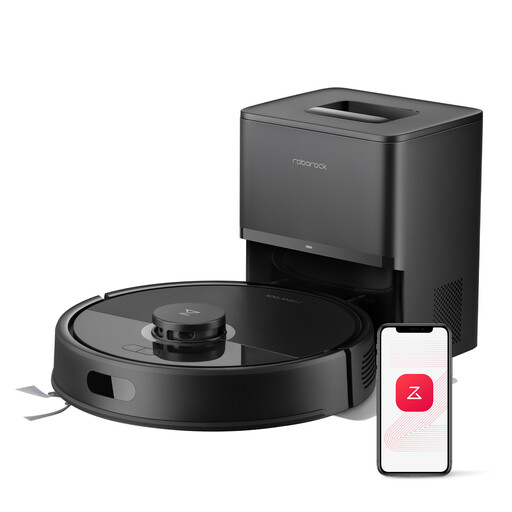
Why This Fits Their Persona: For small to medium-sized households looking for combined everyday cleaning with app control and automatic dust emptying.
The product description mentions LiDAR navigation, 8,000 Pa and automatic dust emptying. This places navigation and maintenance requirements alongside the Pa rating.
LiDAR navigation, 8,000 Pa according to the product description, automatic emptying and app control.
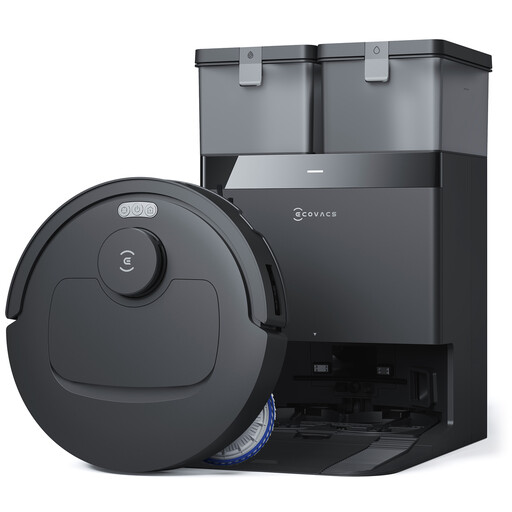
Why This Fits Their Persona: For tech enthusiasts who want to combine automatic mop washing, drying, mapping features and app control in one system.
The feature set goes beyond the advertised suction power: it also includes 75°C mop washing, 45°C hot-air drying, laser navigation and mop lifting on carpets.
25,000 Pa according to the product description, a 3-litre dust bag, 4-litre water tanks and four suction levels.
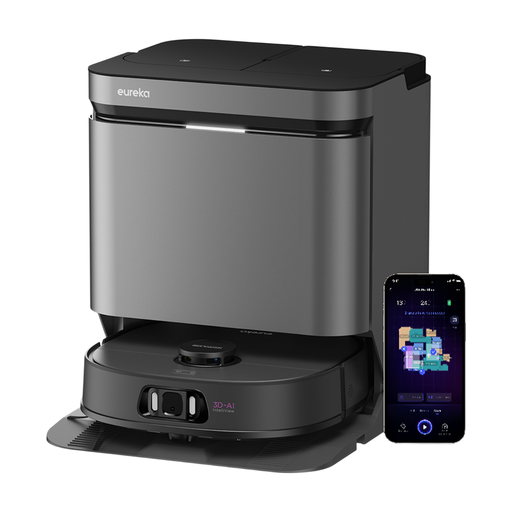
Why This Fits Their Persona: For households with pets, carpets and frequent cleaning needs, where automated station maintenance is a priority.
The product description mentions anti-tangle technology, automatic dust emptying, as well as mop washing and drying. These features address common maintenance concerns associated with hair and wet cleaning.
16,200 Pa and 75°C hot-water cleaning according to the product description, plus a station with self-cleaning functions.
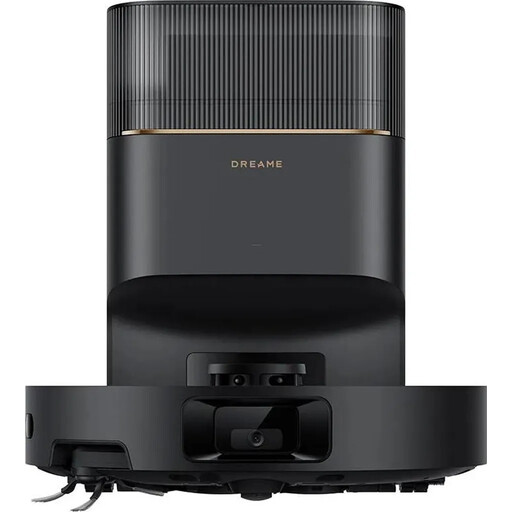
Why This Fits Their Persona: For pet owners and working professionals who value long runtimes and generous dust-bag capacity.
The specifications mention a DuoBrush designed to prevent hair tangles, 3D obstacle detection and automatic carpet detection. This takes several relevant factors into account rather than focusing solely on suction power.
13,000 Pa, a 5-litre dust bag and up to 260 minutes of runtime in vacuuming mode according to the product description.
Our category features an ever-evolving selection of household robots for a variety of cleaning tasks and living situations.
The station should be placed on a level, hard surface with sufficient clearance. A complete mapping run is recommended before the first use. Remove loose cables and small objects, then define rooms, no-go zones and carpeted areas in the app. The water and mopping systems should be installed and used according to the operating instructions.
Service life depends on usage, maintenance and the availability of replacement parts. Brushes, filters, mop pads and, where applicable, batteries are wear parts. Regularly cleaning the sensors and wheels, along with emptying the water and dust containers, can help preserve the device’s intended performance over the long term. Specific service-life estimates should be checked directly with the manufacturer.
With a robot vacuum with automatic emptying, dust bags, cleaning solution, mop pads, filters and brushes may create ongoing costs. Bagless stations reduce the need for dust bags but require manual emptying. Before buying, check the prices and availability of compatible original or approved replacement parts.