
Lieferung heute & morgen

Qualitätsgarantie

Willkommens-Angebote freischalten: KOSTENLOSE Lieferung | Bis zu 80 % RABATT | Kostenlose 30-Tage-JoyPlus-Testphase
App herunterladen
A robot vacuum with a mopping function can make daily floor care much simpler. However, high Pascal ratings, a large base station or terms like "AI navigation" alone don't tell you whether a model will suit your home. What really matters is the combination of suction power, navigation, mopping system and maintenance requirements.
Three marketing pitfalls in particular often lead to the wrong purchase:
The figure in Pa (Pascal) describes the vacuum's suction pressure. It's a useful comparison value, but on its own it doesn't tell you everything about cleaning performance. For households with pets, you should also consider:
With pet hair, a cutting or comb design can reduce the need to manually remove hair. Claims like "99 per cent less tangling" should be understood as manufacturer claims and not as a general guarantee for every household.
A robot vacuum with LiDAR navigation uses a laser to create a map of the room and can plan cleaning routes systematically. This is particularly useful for homes with several rooms, larger floor areas and multiple floors. The following features are also relevant:
App control allows you to set schedules, clean specific rooms and adjust suction or mopping levels. Before buying, check whether only 2.4 GHz Wi-Fi or other frequencies are supported.
A robot vacuum and mop isn't automatically suitable for every surface. For homes with both carpet and hard flooring, an automatic mop-lift is a good idea. This lifts the mopping pads when carpet is detected. However, the stated lift height – for example 8 or 10 mm – isn't compatible with every carpet pile height.
With a station that offers hot-water mop washing, you should also pay attention to the temperature, drying and cleaning of the washing base. Hot air can shorten drying time, but it doesn't replace the need to occasionally empty the dirty water tank and check for residue.
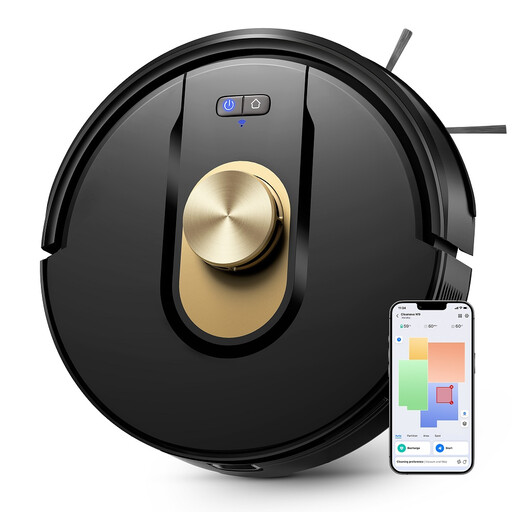
Why this product suits the profile: The W9 combines 8,000 Pa suction power, LiDAR navigation, app control and up to five maps. This makes it suitable for smaller to medium-sized homes with carpet and hard flooring.
The room mapping and no-go zones help to restrict unsuitable mopping areas such as carpets or delicate spots. Maintenance remains manageable with the classic charging station, but does require regular emptying.
LiDAR navigation, up to 150 minutes of runtime, three suction and three water levels, plus app and voice control.
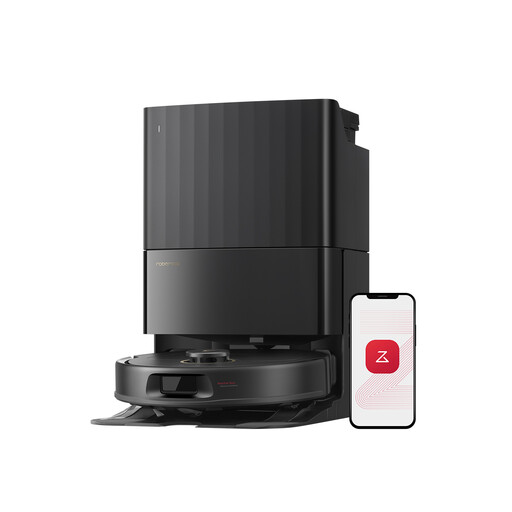
Why this product suits the profile: This model combines 12,000 Pa suction power with FlexiArm mopping pads, dual anti-hair-tangling, obstacle detection and hot air drying.
The station takes on central tasks such as drying the mopping pads. Nevertheless, the water tanks, filters and brushes remain regular maintenance points.
12,000 Pa, FlexiArm mopping technology, hot air drying and a station designed for automatic cleaning.
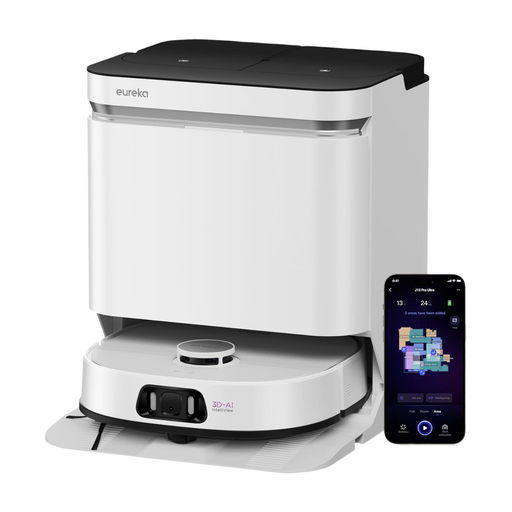
Why this product suits the profile: With 16,200 Pa, FlexiRazor anti-hair-tangling, AI-based dirt detection and a station with 75-degree hot water washing, this model is aimed at larger households and pet owners.
The combination of hair management, obstacle detection and automatic station care addresses typical maintenance issues. However, the station does need enough space and a level surface.
16,200 Pa, 75-degree hot water cleaning, 55-degree hot air drying and automatic dust emptying according to the manufacturer's specification.
We've put together a complete, regularly updated list of products that fully meet these strict selection criteria and the safety regulations in force in the EU.
That depends on the amount of dust, the size of your home and whether you have pets. The dustbin and dirty water tank should be checked regularly. Brushes, filters and sensors also need periodic cleaning, even if the station automatically empties or washes the mops.
Yes, provided the model has suitable carpet detection and a mop lift. Before buying, compare the stated lift height with your carpet pile. For delicate carpets, setting up no-go zones in the app provides an extra safety measure.
Possible costs include electricity, replacement filters, brushes, mopping pads, cleaning solution and, where applicable, dust bags. With a bagless robot vacuum that has a station, you won't need dust bags, whereas models with hot water washing may use more water and energy for station maintenance.