
Lieferung heute & morgen

Qualitätsgarantie

Willkommens-Angebote freischalten: KOSTENLOSE Lieferung | Bis zu 80 % RABATT | Kostenlose 30-Tage-JoyPlus-Testphase
App herunterladen
Dog and cat hair does not just collect on carpets. It gets into gaps, gathers under furniture and along skirting boards, and mixes with dust or food crumbs. A robot vacuum cleaner with a mopping function for pet hair can make daily floor care easier, provided its features are suited to your home.
However, many product pages place too much emphasis on individual specifications. A high Pa figure alone, for example, does not guarantee effective hair pick-up. A mopping function is not automatically suitable for every type of flooring either. The following points will help you avoid common buying mistakes.
Suction power is often stated in pascals. This figure describes negative pressure, not overall cleaning performance. Other important factors include:
An anti-tangle system can reduce maintenance, but it does not replace occasional brush checks. Long hair can still collect around bearings or side brushes, even on systems specifically advertised for preventing tangles.
Depending on the station, a self-cleaning robot vacuum cleaner may rinse and dry the mopping pads. The dust container, dirty-water tank, filter, sensors and brushes still need to be checked regularly. Homes with several pets generally require more maintenance than homes without pets.
Before buying, check:
A robot vacuum cleaner for hard floors and carpets should be able to detect carpeted areas and raise the mop or avoid those areas altogether. Otherwise, damp mops may come into contact with the carpet. Adjustable water flow is also useful for sensitive wooden floors. Before use, check the manufacturer’s information regarding the floor material and maximum mop-lifting height.
For pet hair, a combination of high suction power, a suitable main brush and good contact with carpets is important. The stated Pa values are not always directly comparable between brands, as measuring conditions may vary. Models with rubber rollers, floating brushes or a built-in detangling aid can be practical when dealing with long hair.
Also look for several cleaning modes. A quiet setting may be sufficient for everyday use, while carpets or more heavily soiled areas may require a higher setting.
A robot vacuum cleaner with laser navigation uses an LDS or LiDAR sensor to create a map of your home. This allows you to define cleaning zones, restricted areas and room sequences in the app. This is particularly helpful if food bowls, toys or furniture are regularly placed in similar locations.
However, laser navigation does not reliably detect every obstacle. Cables, small toys and loose textiles should be removed from the floor before starting the cleaner. Additional sensors for obstacle detection, fall prevention and carpet detection are therefore important added features.
A mopping robot with an auto-empty station can empty the dust container automatically. Some stations also wash and dry the mops. Battery life should be suitable for the size of your home. In larger homes, an automatic recharge-and-resume function is useful.
Depending on the model, app control may include:
Check in advance whether the model only supports 2.4 GHz Wi-Fi. This is the case with several devices in this category and may require a separate setting on modern routers.
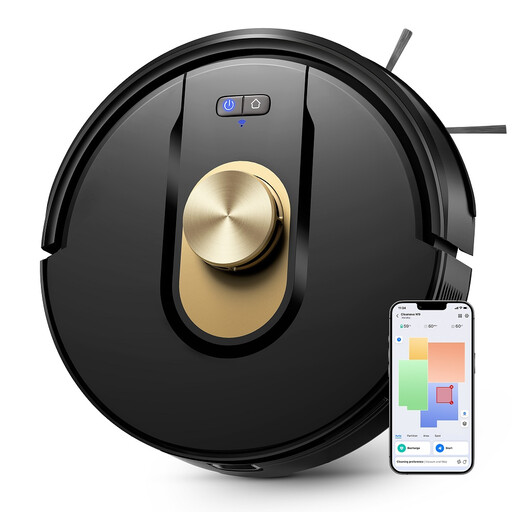
Why this product suits this profile: This model combines vacuuming and mopping, supports LiDAR navigation and app control, and can store up to five maps. With a stated battery life of up to 150 minutes, it is suitable for homes with different types of flooring.
The three vacuuming and water levels allow you to adapt cleaning to tiles, wood or carpeted areas. No-go zones can be set in the app.
8000 Pa according to the product specification, LiDAR mapping, automatic return to the charging station and cleaning resumption.
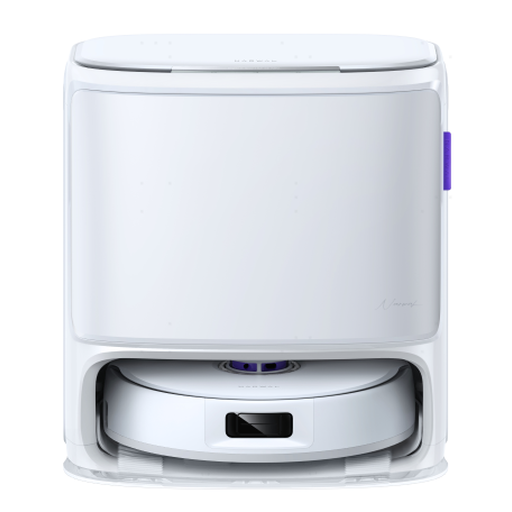
Why this product suits this profile: According to the product specification, the station handles emptying, washing and drying the mops. This suits homes where daily floor care should involve as few manual steps as possible.
The DualFlow system is designed to reduce hair build-up on the main and side brushes. Carpet detection and liftable mops can reduce the risk of wet carpets.
Stated suction power of 15,000 Pa, 5-litre clean-water tank, 2.5-litre dust bag and LDS navigation with additional obstacle detection.
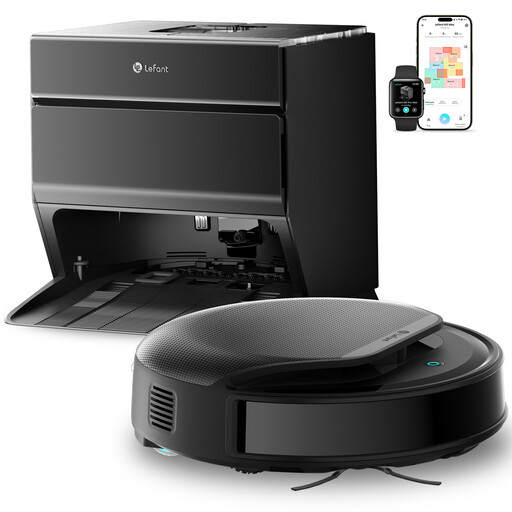
Why this product suits this profile: The product specifications state 18,000 Pa, up to 180 minutes of battery life and a station offering up to 60 days of automatic emptying. This is aimed at homes with a regular build-up of hair and dust.
The combination of a wheeled mop design and automatic emptying addresses two common maintenance issues. Suitability for carpets and hard floors should be assessed based on your home.
18,000 Pa according to the product specification, up to 180 minutes of battery life, 8-mm mops and support for 2.4 and 5 GHz Wi-Fi.
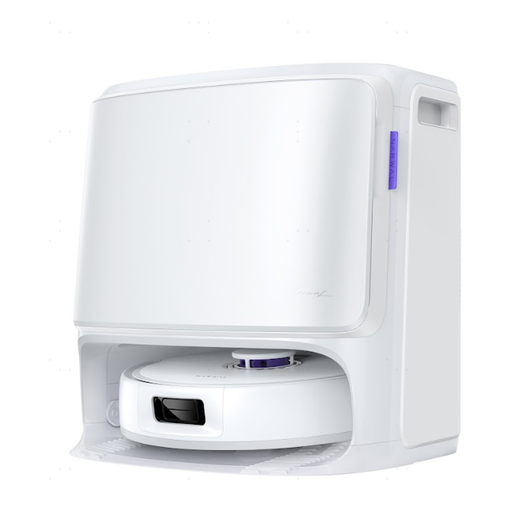
Why this product suits this profile: This model is designed to combine pet-hair pick-up, corner cleaning and automated mop care. Its stated battery life of up to 220 minutes may be useful in larger homes.
According to the product description, the station combines washing, drying and dust collection. The mops are lifted when carpet is detected; nevertheless, delicate carpets should also be marked as restricted areas.
Stated suction power of 11,000 Pa, 2.5-litre dust bag, laser navigation, structured obstacle detection and hot-air drying.
We have put together a complete, regularly updated list of products that fully meet these strict selection criteria and the safety regulations applicable in the EU.
For a robot vacuum cleaner to pick up pet hair reliably, cables, socks, small toys and spilled liquids should be removed before starting it. Food bowls and delicate items can be protected with restricted areas.
For ongoing care, we recommend:
A robot vacuum cleaner can support daily cleaning, but with heavy shedding it cannot always replace occasional manual cleaning. A handheld or stick vacuum cleaner remains useful for stairs, upholstery and difficult-to-reach areas.
Yes, provided that the main brush, suction power and container capacity are suitable for the amount of hair. An anti-tangle system can make maintenance easier. Before buying, check the information on carpet suitability, brush cleaning and the availability of replacement parts.
This depends on the number of pets, floor area and cleaning frequency. The dust container and dirty-water tank should be emptied as needed. Brushes, filters and sensors also require regular checks, even when the station washes and dries the mops automatically.
In addition to electricity consumption, dust bags, mop pads, filters, brushes and cleaning solution can all add to the cost. Before buying, check the prices and availability of compatible replacement parts. If your home has a lot of pet hair, a larger container capacity can extend the maintenance intervals.