
Lieferung heute & morgen

Qualitätsgarantie

Willkommens-Angebote freischalten: KOSTENLOSE Lieferung | Bis zu 80 % RABATT | Kostenlose 30-Tage-JoyPlus-Testphase
App herunterladen
A robot vacuum cleaner with mopping function is designed to regularly remove dust, crumbs, pet hair and light dirt from your home. In practice, however, models vary considerably when it comes to navigation, carpet detection, maintenance requirements and the docking station. Simply choosing a model with a high Pa rating does not automatically mean you have found the right one.
Figures such as 15,000 or 30,000 Pa describe the maximum suction power under specific conditions. On their own, they say little about how well a device performs along edges, on carpets or with long hair. The main brush, airflow system, carpet detection and effective anti-hair-tangle technology are also important.
Pet owners should also check whether the robot is designed to direct pet hair into the dust container and how easy the brush is to clean.
A self-cleaning robot vacuum cleaner can wash and dry the mop and empty the dust automatically. However, water tanks, filters, sensors and the cleaning tray still require regular care. Dust bags and cleaning solution are also ongoing costs.
Pay attention to the docking station’s capacity and realistic maintenance intervals. The NARWAL Freo S, for example, is listed with a 3.5-litre dust bag with a stated usage period of up to 180 days. The actual interval depends on the amount of dirt and the size of your household.
Intelligent obstacle detection can identify cables, shoes and toys. Small objects, loose shoelaces and spilled liquids can still cause problems. Before the first cleaning cycle, remove cables, fragile items and larger spills from the floor.
A robot vacuum cleaner for pet hair should have a suitable main brush and an easily accessible brush cover. Models with anti-hair-tangle technology can reduce maintenance, but they cannot completely prevent hair from building up in every situation.
For carpets and hard floors, automatic adjustment is useful. This includes increased suction power on carpets and a liftable mop. This helps keep carpets as dry as possible during combined cleaning programmes. The ECOVACS DEEBOT T30C OMNI Gen2 is listed with four suction levels, automatic mop lifting and carpet detection.
With a robot mop, it is not just the water supply that matters. The mop design and contact pressure are also important. Rotating mops are suitable for structured cleaning movements, while roller or cylindrical systems can continuously remove some of the dirty water during operation.
A station with automatic mop washing reduces the amount of manual work required. Some models also offer hot-water mop washing and warm-air drying. According to the product details, the ECOVACS DEEBOT T30C OMNI Gen2’s station washes the mops at up to 75 °C and dries them with air heated to 45 °C. Keep hot surfaces and cleaning products away from children and pets.
LiDAR navigation uses a laser to create room maps and supports systematic cleaning routes. Cameras, structured light and ToF sensors can provide additional help with obstacle detection. Check whether maps for multiple floors can be saved and whether no-go zones can be set for carpets, food bowls or sensitive areas.
App control should offer more than just start and stop. Useful functions include room cleaning, schedules, suction levels, mopping intensity, map management and status notifications. Some devices are only compatible with a 2.4 GHz Wi-Fi network, so check this against your own router before buying.
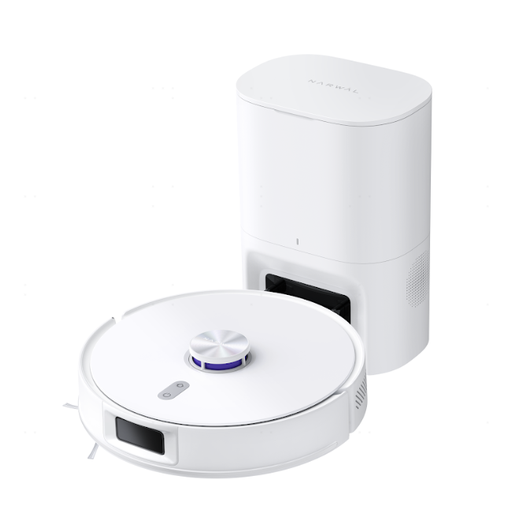
Why this product suits this profile: The Freo S combines vacuuming and mopping in a compact station, making it suitable for small to medium-sized homes with hard floors and carpets.
Automatic dust emptying reduces the need to empty the container every day. LDS laser navigation and structured light support mapping and obstacle detection.
According to the product details: 8,000 Pa suction power, 8 N mopping pressure, a 300 ml water tank and a 3.5-litre dust bag.
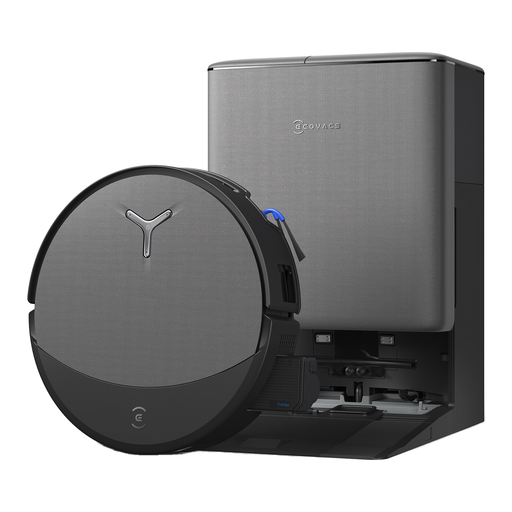
Why this product suits this profile: This model is aimed at users who want to combine multiple floor types, long cleaning cycles and comprehensive docking-station automation.
Fresh-water mop washing and automatic station maintenance address the frequent upkeep required by basic mopping systems.
The specifications include up to 30,000 Pa, a runtime of up to 350 minutes, AIVI-3D navigation and the ZeroTangle 4.0 system.
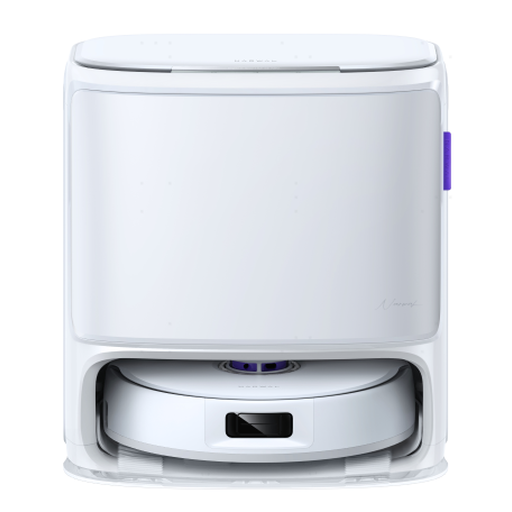
Why this product suits this profile: The Freo Z10 is designed for homes with pets, lots of edges and high daily cleaning demands.
The DualFlow system and counter-rotating brush design are intended to reduce hair tangles. The station handles dust emptying, mop washing and drying.
According to the product description: 15,000 Pa, 8 N mopping pressure, LDS navigation, liftable mops and up to 120 days of dust storage.

Why this product suits this profile: The combination of app-based schedules, automatic station maintenance and separate cleaning modes suits homes that need to be cleaned regularly while no one is there.
The mops lift when a carpet is detected. Laser-based navigation, TruDetect and ZeroTangle 3.0 address common problems involving cleaning routes and hair.
The specifications include 25,000 Pa, up to 180 minutes of runtime, automatic dust emptying, 75 °C mop washing and warm-air drying.
Even a robot vacuum cleaner with an auto-empty station requires consumables. These include dust bags, filters, mops, brushes and, where applicable, cleaning solution. Before buying, check:
The station should be placed on a level, dry surface with sufficient clearance from walls and furniture. Liquids, hot ash, sharp objects and flammable materials must not be present in the cleaning area. Disconnect the station from the mains before carrying out maintenance.
We have put together a complete, regularly updated list of products that fully meet these strict selection criteria and the safety regulations applicable in the EU.
Check the dust container or station depending on the amount of dirt collected. The filter, main brush and side brush require regular cleaning. Mops and water containers should be maintained according to the relevant manufacturer’s instructions. Automatic mop washing reduces the effort required, but does not eliminate the need for checks.
Yes, provided the model can detect carpets and lift the mop, or supports separate carpet no-go zones. With deep-pile carpets, the robot’s height, brush design and stated obstacle-climbing height can be decisive. Check these specifications against your own door thresholds and carpet edges.
For pet hair, an accessible brush, anti-hair-tangle technology, automatic carpet boost and a sufficiently large dust capacity are useful. Remove food bowls, toys and pet faeces before running the robot. Obstacle detection is helpful, but it cannot guarantee trouble-free cleaning in every home.