
Lieferung heute & morgen

Qualitätsgarantie

Willkommens-Angebote freischalten: KOSTENLOSE Lieferung | Bis zu 80 % RABATT | Kostenlose 30-Tage-JoyPlus-Testphase
App herunterladen
The idea is appealing: a single device that vacuums and mops on its own, freeing up your time for more important things. A robot vacuum with mopping function promises just that. But the market is flooded with devices whose marketing promises often shine brighter than the floors they're supposed to clean. Many buyers discover after just a few months that their expensive gadget requires more manual intervention than expected, or that key features fail in daily use.
As a Joybuy Product Recommendation Officer, I'm here to filter the facts from the marketing noise for you. In this guide, I'll reveal the three most common pitfalls when buying and explain which technical parameters you truly need to focus on to make an informed decision.
Manufacturers often promote impressive numbers and features. But not everything that's advertised is useful in everyday life. Pay close attention to these three points to avoid disappointment:
To separate the wheat from the chaff, concentrate on these three core parameters that significantly determine performance and convenience in daily use.
The navigation method determines how efficiently and completely the robot cleans your home and whether it reliably detects obstacles.
The mechanics of mopping are crucial for stain removal.
The station is your robot's brain and service centre. The more tasks it handles, the less you have to do.
Based on these objective criteria, we have identified a few models that offer a suitable solution for different needs and households.
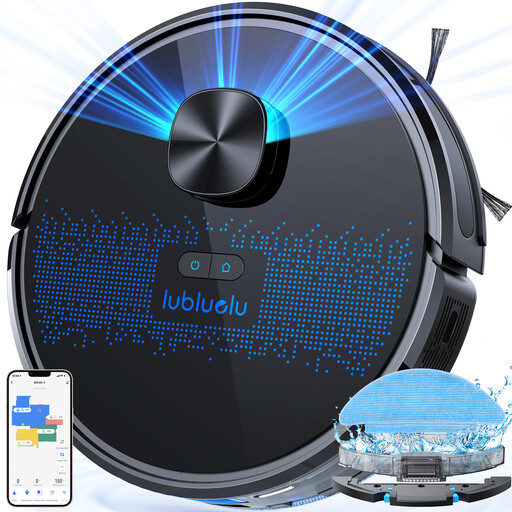
Why it's a good fit: Ideal for users who want reliable vacuuming and mopping performance with precise navigation but can do without a pricey all-in-one station. It offers the core technologies for efficient, automated base-level cleaning.
This model relies on proven laser navigation (LiDAR), bypassing the inaccuracies of camera-based systems. Its 4000 Pa suction power is perfectly adequate and realistically specified for hard floors and low-pile carpets.
Focuses on the essential cleaning functions (vacuuming, mopping, precise mapping) at an attractive price-performance ratio. It can store up to 5 maps for multi-level homes.
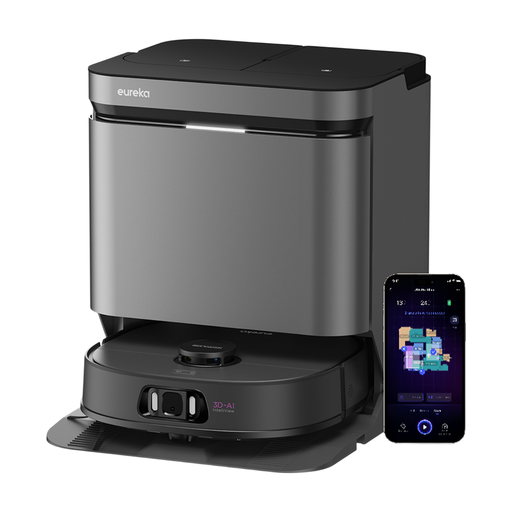
Why it's a good fit: Designed for the challenges of pet-filled households. High suction power combined with special anti-hair technology and hygienic mop cleaning makes it the ideal choice for tackling pet hair and paw prints.
The FlexiRazor Anti-Tangle Technology actively counters the problem of hair getting wrapped around the brush. The fully automatic station with 75°C hot water mop washing directly addresses the hidden maintenance burden and ensures hygiene.
The combination of very high suction power (16,200 Pa), special brush technology for pet hair, and hygienic hot water cleaning offers a complete solution for demanding conditions.
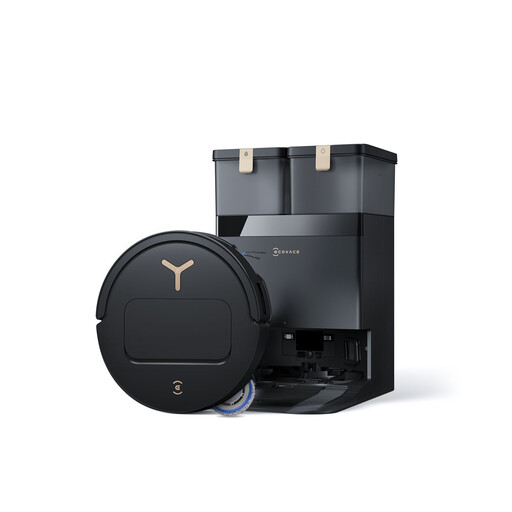
Why it's a good fit: For anyone seeking the highest degree of automation and the latest cleaning technologies. This device handles nearly all aspects of floor care, including precise cleaning right up to the edges.
The TruEdge 2.0 Adaptive Edge Cleaning solves a core problem of round robots. The OMNI station, with its hot water mop washing and drying, minimises manual effort and bypasses the "token" automation trap.
The combination of extremely high suction power (up to 25,000 Pa, according to the manufacturer), extendable mop pads for edge cleaning, and a comprehensive cleaning station offers the ultimate in convenience and cleaning performance.
Beyond floor cleaning, there are also specialised cleaning robots for other areas. A window cleaning robot can take over the tedious task of cleaning large glass surfaces, while a pool cleaning robot automates pool maintenance. For stubborn dirt on hard floors, a manual wet-dry vacuum can also be a sensible addition.
We have compiled a complete, up-to-date list of products that fully meet these strict selection criteria and German safety regulations.
Yes, modern devices are well-equipped for this. They feature automatic carpet detection. When the robot moves onto a carpet, it lifts its mop pads to avoid getting the carpet wet and simultaneously increases suction power to pull deep-seated dirt from the fibres.
Suction power is an important factor, but not the only decisive one. A high Pascal number is primarily relevant for deep cleaning carpets. On hard floors, the brush roller design (e.g., rubber fins for a robot vacuum for pet hair), the side brushes for edge cleaning, and navigation precision are often more important for a clean overall result.
The lifespan depends on the quality of the device and its maintenance. The battery is often the first component to lose performance, typically after 2 to 4 years. Consumable parts like brushes, filters, and mop pads need to be replaced regularly (every 6 to 12 months) but are generally inexpensive and widely available. With good maintenance, a high-quality device can operate reliably for many years.