
Lieferung heute & morgen

Qualitätsgarantie

Willkommens-Angebote freischalten: KOSTENLOSE Lieferung | Bis zu 80 % RABATT | Kostenlose 30-Tage-JoyPlus-Testphase
App herunterladen
As a pet owner, you know the struggle: pet hair on the floor, on carpets, and in every corner. A conventional vacuum requires daily effort, and many robot vacuums aren't up to the challenge. The search for a suitable robot vacuum with mopping for pet hair can quickly become overwhelming, as the market is flooded with technical specs and marketing promises.
This guide will help you identify the crucial features and avoid common purchasing mistakes. We focus on the objective parameters that make a real difference in a household with pets.
Before you make a decision, you should be aware of the typical weaknesses that only become apparent after a few weeks of use.
To avoid these traps, you should focus on three core technical features. These define a robot's effectiveness in the battle against pet hair.
Suction power is measured in Pascals (Pa) and is the most important indicator of a robot's ability to pull dirt and hair from carpet fibres. While basic models often offer only 2,000 to 3,000 Pa, a robot vacuum with high suction power is essential for pet households.
A well-designed brush system is more important than raw suction power. A robot vacuum with an anti-tangle system prevents you from having to free the brush from hair every week.
A robot vacuum for carpets and hard floors must master both without compromise. A modern mopping function is distinguished by two technologies:
Instead of making blanket recommendations that are often based on subjective impressions, we match specific models to different user profiles here.
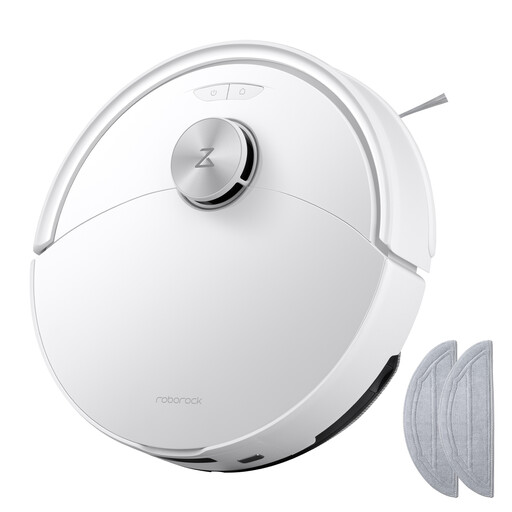
Why This Fits Their Persona: Ideal for users seeking a powerful and reliable solution for pet hair on carpets and hard floors. Those who buy the Roborock Q10 S5 get a well-balanced package of vacuuming and mopping performance.
The dual anti-tangle brush system minimises maintenance, while the 10,000 Pa suction power avoids the weak performance trap. The automatic mop lifting prevents wet carpets.
HyperForce Suction: 10,000 Pa for deep cleaning.
Auto Lifting Mopping: Smart carpet detection lifts the mop.
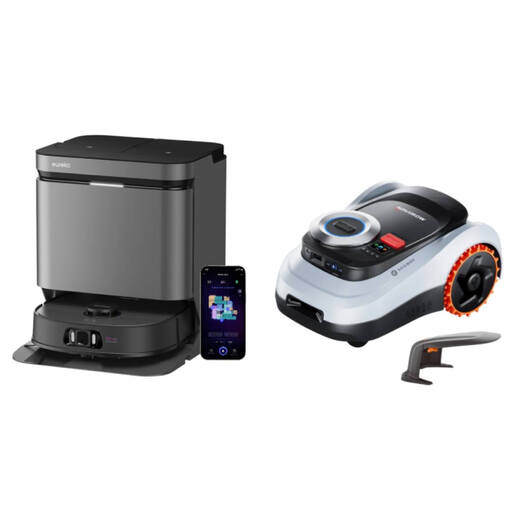
Why This Fits Their Persona: For tech-savvy users looking for a nearly maintenance-free cleaning solution with maximum performance and smart features.
The fully automatic station washes the mops with 75°C hot water and dries them, solving the trap of ineffective, unhygienic mopping. The FlexiRazor technology prevents hair tangles.
16,200 Pa Suction Power: Extreme suction for the deepest dirt.
Self-Cleaning Station: Washes, dries, and empties itself autonomously.
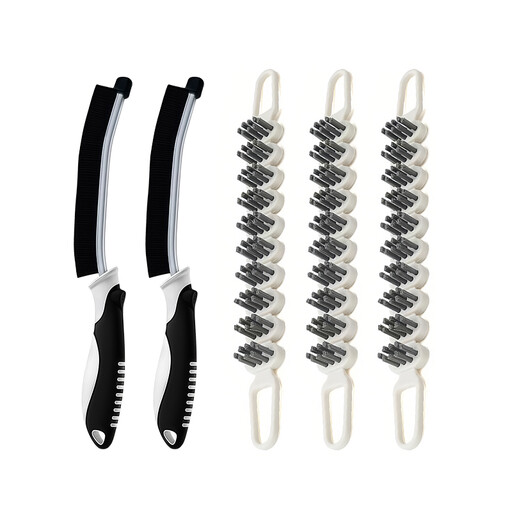
Why This Fits Their Persona: The perfect companion to any robot vacuum. For users who also want to clean the spots a robot physically cannot reach, like narrow gaps, corners, or radiators.
It solves the problem of unreachable spots. It bypasses the unrealistic expectation that a robot can cover 100% of the area and offers a targeted solution for manual touch-ups.
Flexible Design: Reaches difficult-to-access crevices and angles.
Versatile Set: Five different brushes for various cleaning tasks in the bathroom and kitchen.
We have compiled a complete, up-to-date list of products that fully meet these strict selection criteria and adhere to rigorous safety standards.
The frequency depends on the size of your home, the number of pets, and their breed. For models without a self-emptying station, daily emptying may be necessary in a household with heavy-shedding pets. Devices with an automatic emptying station offer significantly more convenience and often only need to be emptied every 30 to 60 days.
Yes, modern devices with carpet detection are designed for this. They use sensors to identify carpeted floors. As soon as a carpet is detected, the mopping module is automatically lifted, so it only vacuums and does not wet the carpet. This feature is crucial for homes with mixed flooring.
Higher suction power naturally generates more noise, but the robots rarely operate continuously in max mode. Most models intelligently adjust the suction power based on the level of dirt and the floor type. In normal cleaning mode on hard floors, many high-quality devices are surprisingly quiet. The exact decibel levels (dB) for different modes are listed in the manufacturer's technical specifications.