
Lieferung heute & morgen

Qualitätsgarantie

Willkommens-Angebote freischalten: KOSTENLOSE Lieferung | Bis zu 80 % RABATT | Kostenlose 30-Tage-JoyPlus-Testphase
App herunterladen
An autonomous vacuum that not only vacuums but also mops and then cleans itself—this is the promise of modern household helpers. A robot vacuum with a mopping function and a self-emptying station promises exactly that: maximum time savings and consistently clean floors. But the market is filled with marketing promises and technical specs that confuse more than they clarify. Before you make an investment, it's crucial to know the typical pitfalls that often only become apparent after your purchase.
This guide will help you separate the wheat from the chaff and find a model that truly fits your lifestyle. We'll focus on the three most common problems that lead to disappointment with many devices:
To avoid buyer's remorse, you should focus on the technical features that actually determine the degree of autonomy and cleaning quality.
A modern station is far more than just a device for emptying dust. Pay attention to the feature set that minimises maintenance. A robot vacuum and mop with a cleaning station should ideally perform the following tasks autonomously:
A robot's ability to navigate your home intelligently and safely is fundamental. While basic LiDAR systems can create a map, advanced models combine this with 3D sensors or cameras. These reliably detect and navigate around low-lying objects like cables, socks, or pet toys. This prevents the robot from getting stuck or damaging items.
The actual cleaning work is done by the brushes and mops. Here, there are crucial differences:
Instead of presenting a confusing list, we have selected models that meet specific needs and are designed to avoid the pitfalls mentioned.
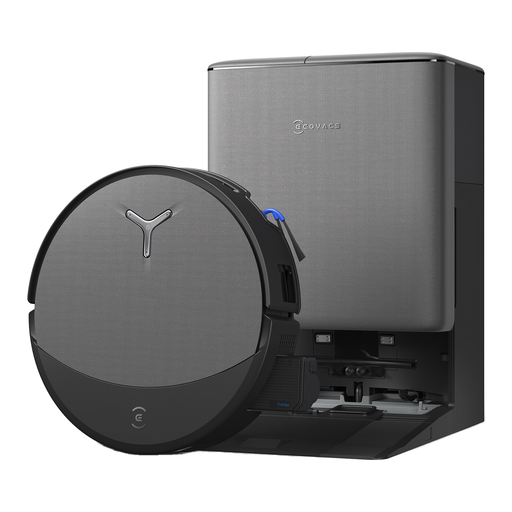
Why This Fits Their Persona: Ideal for demanding users who need a solution for pet hair and large spaces. The high suction power and advanced anti-tangle system minimise manual intervention, while the fully-featured station handles daily maintenance.
The ZeroTangle 4.0 technology actively counters the problem of tangled brushes. The OMNI station with self-cleaning addresses the hidden maintenance burden, going far beyond simple dust emptying.
Combines a very high suction power of 30,000 Pa (according to the manufacturer) with an effective anti-hair system and a comprehensive cleaning station.
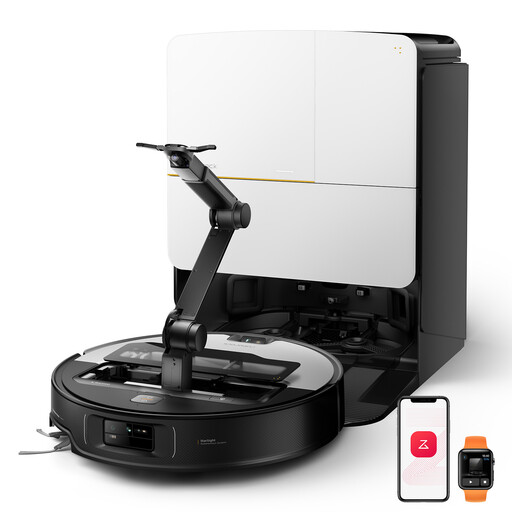
Why This Fits Their Persona: For users who value immaculate cleanliness and seek the latest technology. The ultra-slim design and special edge-cleaning technology reach areas that other robots miss.
The FlexiArm Riser is a direct answer to the weakness of poor edge cleaning. The station, with its hot water mop washing and drying, ensures hygienic cleanliness and low maintenance.
Advanced edge cleaning via an extendable arm and a very slim design (7.98 cm) for cleaning under furniture.
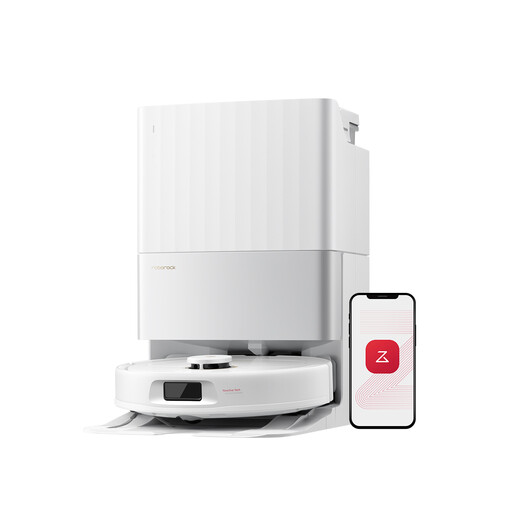
Why This Fits Their Persona: Offers a complete automation package without compromising on core features. A solid choice for anyone who wants to experience the convenience of a fully automatic station without investing in a top-tier model.
Focuses on a well-balanced overall package. The station's mop washing and drying solves the maintenance problem, while the FlexiArm mops improve edge cleaning.
A comprehensive cleaning station with hot air drying and a solid suction power of 12,000 Pa offer strong value for money.
We have compiled a complete, real-time list of products that fully satisfy these strict selection criteria and UK safety regulations.
1. How often does the cleaning station of a robot vacuum and mop need to be maintained? The dust bag in the station typically only needs to be replaced every 30 to 60 days, depending on household size and the amount of dirt. However, the clean and dirty water tanks should be emptied and refilled every few days, depending on how often the mopping function is used. An occasional cleaning of the station itself, about once a month, is also recommended to remove any build-up.
2. Do robot vacuums with a mopping function also work on carpets? Yes, modern devices are designed for this. They feature automatic carpet detection. When the robot approaches a carpet, it automatically lifts its mop pads to avoid getting the carpet wet and often simultaneously increases suction power for a deeper clean. This ensures a seamless transition between hard floors and carpets.
3. Are high suction power values (in Pascals) really that important? A high Pa value is an indicator of motor power, but it's not the sole factor for good cleaning performance. At least as important are the design of the main brush (material, bristle arrangement), the effectiveness of the side brushes, and the construction of the air duct. A well-designed system with 10,000 Pa can be more effective than a poorly designed one with 20,000 Pa. Therefore, pay attention to the overall package of suction power, brush technology, and intelligent navigation.