
Lieferung heute & morgen

Qualitätsgarantie

Willkommens-Angebote freischalten: KOSTENLOSE Lieferung | Bis zu 80 % RABATT | Kostenlose 30-Tage-JoyPlus-Testphase
App herunterladen
A robot vacuum with a mopping function promises to be a significant time-saver in any household. However, the market is flooded with marketing promises that often create more confusion than clarity. Many devices quickly turn out to be a poor investment because crucial details were overlooked. As your Joybuy Product Recommendation Officer, I'll help you separate the wheat from the chaff and find a model that truly fits your requirements.
Before you make a decision, you should be aware of the three most common pitfalls that lead to dissatisfaction:
To make an informed choice, focus on technical features that have a direct impact on daily use.
The way a robot navigates determines its efficiency and reliability. Basic models that move in a random pattern are outdated. Look for the following standards:
For households with pets, this is a critical point. A good robot vacuum for pet hair is distinguished by a well-thought-out brush design.
A robot vacuum with a self-emptying station can save you a lot of work, but the features vary greatly. A modern station should handle several tasks autonomously:
Here are some models tailored to specific needs that cleverly avoid the common pitfalls mentioned.
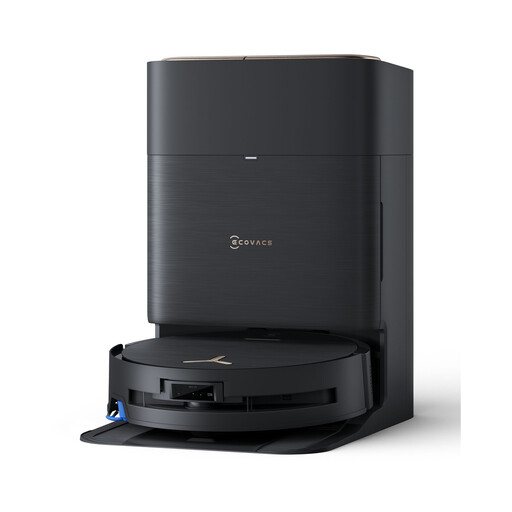
Why This Fits Their Persona: Ideal for users seeking maximum automation and a solution for stubborn dirt and pet hair. The combination of high suction power and advanced mopping and edge-cleaning technology covers all the needs of a modern, demanding household.
The TruEdge 2.0 technology with its extendable mop solves the problem of edge cleaning. The OMNI station, featuring hot water mop washing and hot air drying, minimises maintenance and prevents odours.
High suction power of 16,600 Pa for deep cleaning. OZMO roller mop with high downward pressure for removing stubborn stains. AIVI 3D 3.0 obstacle detection.
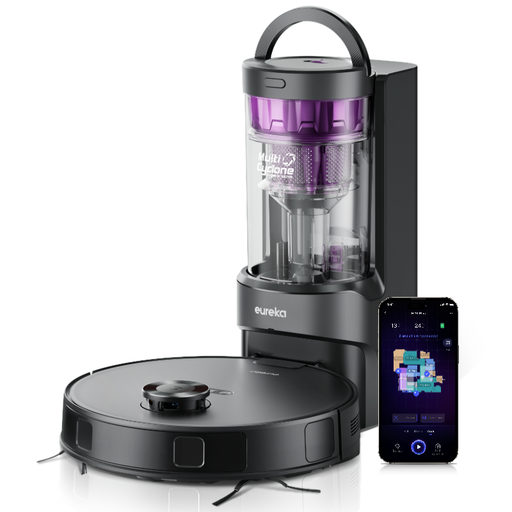
Why This Fits Their Persona: Perfect for homes with a mix of hard floors and carpets. The automatic mop-lifting feature is a key advantage here, keeping carpets dry while the bagless station reduces running costs.
The bagless auto-empty station avoids the trap of recurring costs for dust bags. The 10 mm mop-lift ensures that even medium-pile carpets don't get wet during mopping, a common shortcoming of simpler models.
DuoDetect AI 3D obstacle avoidance for reliable navigation. Long runtime of up to 180 minutes. An anti-tangle system specifically designed for pet hair.
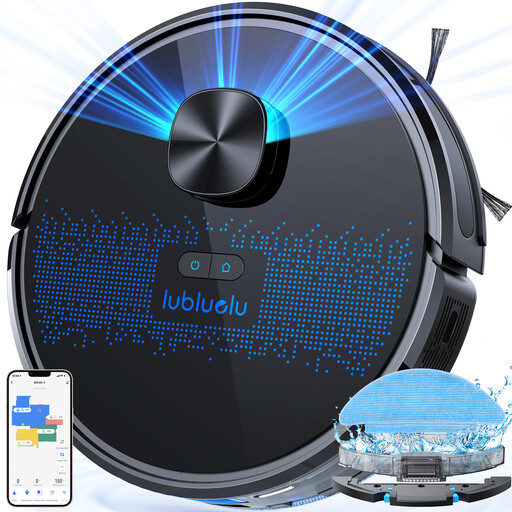
Why This Fits Their Persona: A solid choice for anyone looking for reliable vacuuming and mopping with intelligent navigation, but who can do without an expensive all-in-one station. Ideal for apartments or smaller homes without complex requirements.
This model focuses on the core functions. Instead of a complex, high-maintenance station, it offers reliable laser navigation and app control. The suction power of 4000 Pa is perfectly adequate for hard floors and low-pile carpets.
Stores up to 5 maps for multi-level homes. Very quiet operation at just 55 dB. Excellent value for money for a device with LiDAR navigation.
The world of household robots is constantly evolving. In addition to robot vacuums and mops, there are now specialised helpers like window cleaning robots, which ensure streak-free shine on hard-to-reach glass surfaces, or pool cleaning robots, which autonomously clean the floor and walls of swimming pools. These devices expand the concept of the automated home and save valuable time on tedious chores.
We have compiled a complete, up-to-date list of products that fully meet these strict selection criteria and German safety regulations.
The maintenance frequency depends heavily on the model. For stations with dust bags, the bag needs to be changed every 30 to 90 days. With bagless systems, the container is emptied as needed. The fresh and dirty water tanks need to be emptied and refilled every few days to once a week, depending on usage frequency and tank size. Regular cleaning of the station's base plate (about 1-2 times per month) is also recommended to prevent build-up.
This can be a challenge. Most robots use infrared cliff sensors to detect stairs. Very dark or black surfaces can absorb this infrared light, causing the sensors to misinterpret this as a drop-off. The robot will then stop or avoid the area. Some newer models have improved sensors that can handle this issue better. It is advisable to check the manufacturer's specifications for this before purchasing.
The robot vacuum with app control is the central control hub. It allows for much more than just starting and stopping. Through the app, you can create cleaning schedules, adjust the suction power and water flow for each room individually, set up virtual walls and no-go zones (e.g., around a pet's feeding area), and track cleaning progress in real-time. For multi-story homes, the ability to save multiple maps is a crucial advantage.