
Lieferung heute & morgen

Qualitätsgarantie

Willkommens-Angebote freischalten: KOSTENLOSE Lieferung | Bis zu 80 % RABATT | Kostenlose 30-Tage-JoyPlus-Testphase
App herunterladen
The idea is appealing: a single device that vacuums, mops, and then empties itself. Modern robot vacuums with mopping and auto-empty docks promise exactly that—an almost completely automated floor cleaning experience. However, the market is flooded with technical specs and marketing promises that make an informed decision difficult. Before you invest, it's crucial to understand the most common pitfalls that can lead to disappointment and unnecessary expense.
Many devices look powerful on paper but fail to meet the challenges of a real home. Pay attention to the following points to avoid a purchase you'll regret.
To avoid the problems mentioned above, you should carefully examine three core parameters. These determine whether a robot vacuum and mop is genuinely helpful in daily life.
Navigation Method: LDS + 3D Obstacle Avoidance Navigation is the robot's brain. While LDS (Laser Distance Sensor) ensures precise room mapping, an additional robot vacuum with 3D obstacle avoidance (often using structured light) is crucial. This technology allows the device to detect and navigate around flat objects like cables, socks, or pet toys in real time, rather than dragging them along or getting stuck.
Cleaning Performance: The Interplay of Suction Power and Brush Design For a deep clean, especially as a robot vacuum for pet hair, a high suction power of over 10,000 Pa is a good indicator. However, the brush system is at least as important. Models with dual rubber brushes or special anti-tangle designs have a clear advantage here, as they pick up hair without it constantly wrapping around the roller.
Degree of Automation: Dock Capacity and App Features A truly self-emptying robot vacuum is distinguished by an auto-empty dock with a large dust bag (e.g., 5 litres) that only needs to be changed every few months. An intuitive robot vacuum with app control is also essential. It should allow you to create cleaning schedules, define no-go zones, and individually adjust the suction and mopping intensity for each room.
While a fully automated robot vacuum and mop is the ideal solution for many, high-quality manual alternatives can also be a sensible addition or choice, depending on your living situation and budget. Here are some options for different requirements.
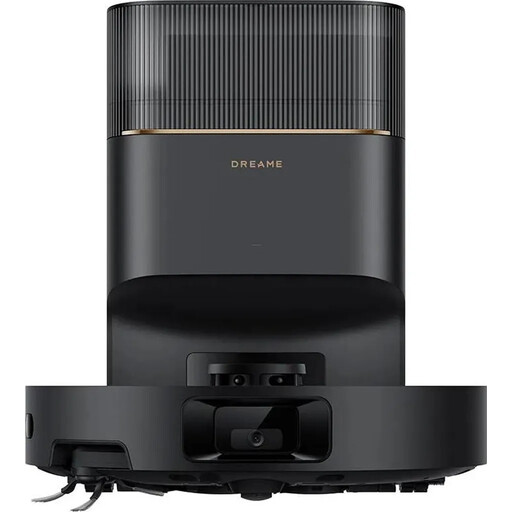
Why This Fits Their Persona: Ideal for users with large living spaces (up to 250 m?), pets, and a desire for minimal maintenance. This model combines all the key features for a true "set-it-and-forget-it" cleaning experience.
The combination of Pathfinder LDS and 3D structured light obstacle avoidance prevents it from getting stuck on cables and small objects. The HyperStream DuoBrush is specifically designed to prevent hair tangles.
Powerful suction of 13,000 Pa and an auto-empty dock with a 5-litre dust bag for up to 150 days of autonomous operation.
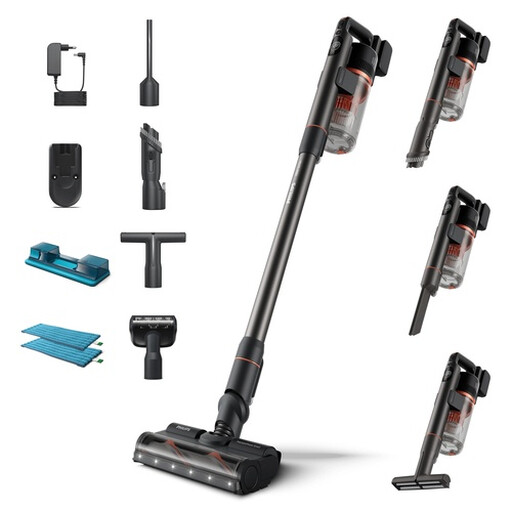
Why This Fits Their Persona: A manual alternative for users who want to quickly tackle specific cleaning tasks (wet and dry) or need a supplement to their robot vacuum for stairs and upholstery.
As a manual device, it bypasses the typical navigation and software issues of robots. The user has full control over the cleaning process and the result.
Combines vacuuming and mopping in one device, offers a long runtime of 80 minutes, and includes a detachable handheld unit for maximum flexibility.
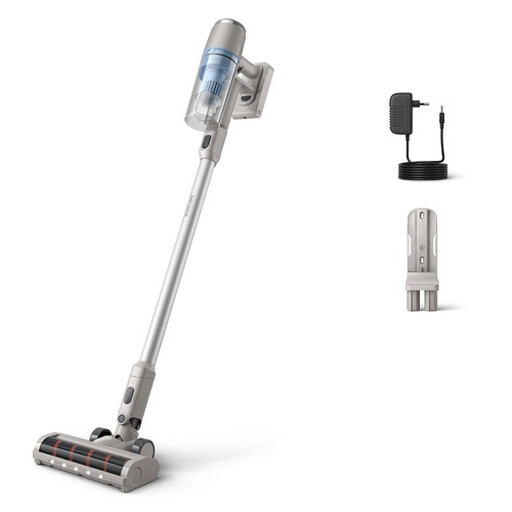
Why This Fits Their Persona: Suitable for smaller apartments or as a secondary device. This cordless stick vacuum offers a straightforward and cost-effective solution for quick, daily cleaning without complex automation features.
Focuses on the core function of vacuuming. With no complex sensors or software, there are fewer potential points of failure, ensuring reliable manual use.
Lightweight, compact design with a cyclonic filtration system and a detachable handheld unit for versatile applications.
We have compiled a complete, real-time list of products that fully satisfy these strict selection criteria and UK safety regulations.
The frequency depends on the bag's size, the size of your home, and the amount of dirt (e.g., from pets). For models with large 5-litre bags, like the Dreame D20 Pro Plus, the interval can be up to 150 days with average use. Most apps will notify you when a change is needed.
Modern systems using 3D structured light are very reliable at detecting objects that are a few centimetres high. They can successfully navigate around most charging cables, shoes, and larger toys. However, very flat or transparent objects can still pose a challenge. It's advisable to clear the floor of small items before starting a cycle to ensure optimal cleaning results.
The initial setup for most current devices is straightforward. Typically, you need to plug in the dock, charge the robot, and connect it to your Wi-Fi via the manufacturer's app. The app guides you through the map creation process on the first cleaning run. Afterwards, features like schedules or virtual walls can be set up intuitively with just a few taps.