
Lieferung heute & morgen

Qualitätsgarantie

Willkommens-Angebote freischalten: KOSTENLOSE Lieferung | Bis zu 80 % RABATT | Kostenlose 30-Tage-JoyPlus-Testphase
App herunterladen
Dust, pet hair, crumbs and spilled liquids all call for different cleaning appliances. So if you focus only on a high headline figure such as “Pa” or the longest possible run time, you won’t necessarily end up with the right appliance for your home. When choosing a robot vacuum or wet and dry vacuum cleaner, consider how you’ll use it, your floor types, the maintenance involved and the level of automation you want.
The figure in pascals describes suction pressure, but on its own it tells you little about the brush design, airflow, filter, navigation or how much dirt the appliance actually picks up. A powerful vacuum cleaner also needs a suitable brush to stop hair from continually wrapping around the roller. So for carpets and pet hair, brush design and anti-tangle features matter just as much as suction power.
A self-cleaning wet and dry vacuum cleaner will usually rinse the roller and pipes at the station. You’ll still need to empty, rinse or dry the dirty water tank, filter, cleaning tray and brushes regularly. If you don’t allow for these extra tasks and ongoing costs, you may be disappointed by what seemed like a convenient solution.
A robot vacuum with a mopping function will often use a damp pad or rotating mop unit. A wet and dry vacuum cleaner, on the other hand, actively picks up liquids and solid dirt with a roller. For spilled drinks or sticky kitchen mess, a cordless wet and dry vacuum cleaner is often more suitable than a robot’s mop pad.
First, check whether the appliance is designed for sealed hard floors, laminate, tiles, wood or low-pile carpets. Wet and dry vacuum cleaners are often designed for hard floors and shouldn’t be used on delicate or unsealed surfaces. With robot vacuums, the appliance’s height determines whether it can fit under your sofa, bed or wardrobe. A model that’s 8 cm high, such as the Dreame D30 Ultra, can get under low furniture more easily than a taller appliance.
For carpets, automatic mop lifting is useful. Models such as the ECOVACS DEEBOT T30C OMNI Gen2 and Eureka E20 Plus specify a mop lift of 10 mm. Even so, check your carpet’s pile height and edge, as well as the settings in the app.
Run time depends on the suction setting, floor type, navigation and mopping mode. Figures such as “up to 180 minutes” are based on laboratory tests or manufacturer estimates, and don’t necessarily reflect actual run time at the highest setting. In homes with several rooms, automatic returns to the station, recharging and resuming cleaning are useful features.
For upright appliances, tank capacity and coverage are key. According to the product details, the Vileda PureClean S5 Plus offers a run time of 35 to 45 minutes, with a 750-ml fresh water tank and a 600-ml dirty water tank. For larger areas, an appliance with a shorter run time may need more frequent charging breaks.
A robot vacuum with app control should let you save maps, select rooms and set no-go zones. LiDAR navigation, obstacle detection and cliff sensors help the appliance clean in a planned way, but they don’t remove the need to pick up loose cables or small objects.
Also consider the station. Automatic dust emptying, mop cleaning, hot-air drying and detergent dispensing add convenience, but they take up space, use electricity and need regular maintenance. For battery-powered appliances, check the charging time, replacement filters, brushes and consumables before you buy.
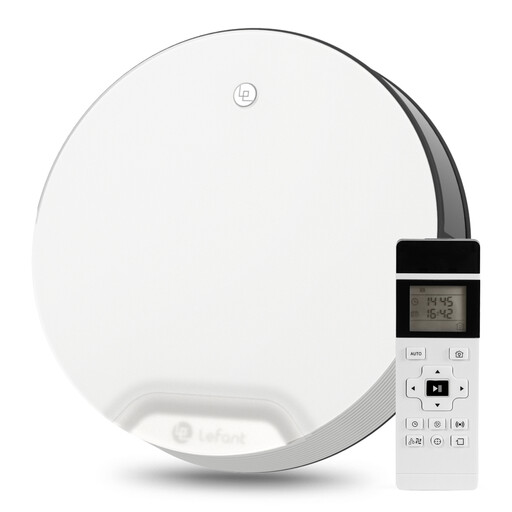
Why this product suits this type of household: According to the product details, this model offers 4.500 Pa suction power, up to 165 minutes of battery life, and Wi-Fi and Bluetooth connectivity. It’s a good fit if you’re looking for the basic features of a robot vacuum and pet hair pick-up.
The specifications give specific details about run time, dust container capacity and cleaning modes, rather than relying on a vague claim about convenience.
Up to 165 minutes of battery life according to the stated figures, plus several cleaning modes; suitable for routine dry cleaning.
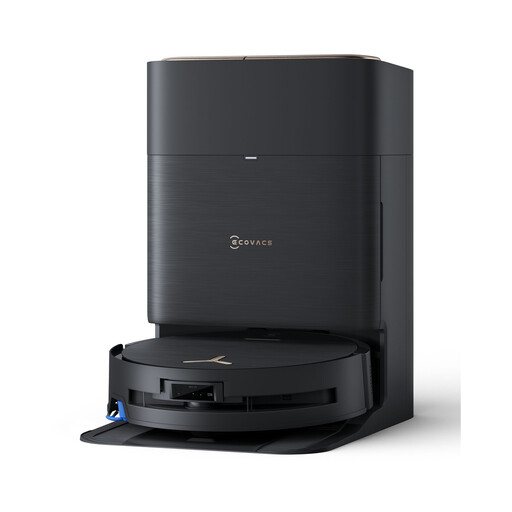
Why this product suits this type of household: According to the product details, this model combines 16.600 Pa suction power, OZMO roller mopping, up to 200 minutes of run time, and a station that cleans the mop and dries it with hot air.
The product description lists separate functions for carpets, liquids, mopping, drying and dust emptying.
Roller mop with continuous cleaning, plus app and voice control according to the supplier.
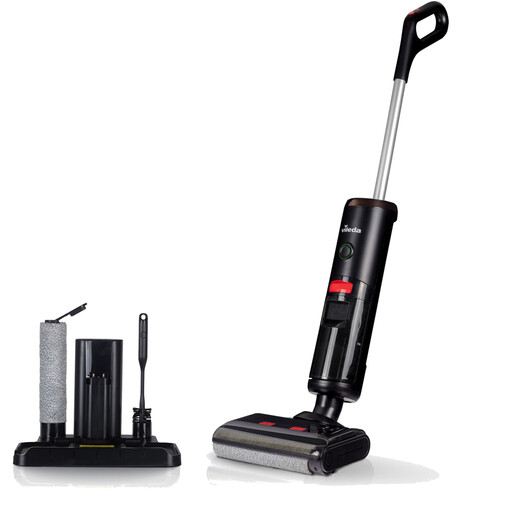
Why this product suits this type of household: This wet and dry vacuum cleaner is designed for sealed hard floors and, according to the product details, vacuums, mops and picks up dirt in a single pass.
Separate water tanks and the stated self-cleaning function make it easier to understand what maintenance involves.
220-W motor, two tanks and a stated run time of 35 to 45 minutes.
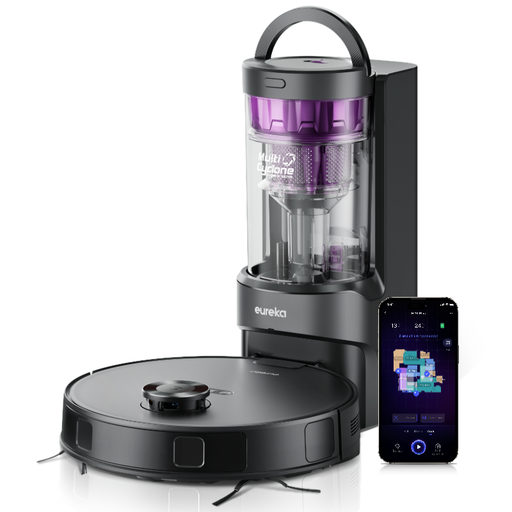
Why this product suits this type of household: According to the product details, this model is designed for homes with hard floors, carpets and pet hair. It offers 8.000 Pa suction power, LiDAR navigation and a bagless station.
The anti-tangle feature, carpet detection and 10-mm mop lift address common problems with hair and mixed floor types.
Up to 180 minutes of run time according to the stated figures, and a 2-litre dust container in the station.
We’ve put together a complete, regularly updated list of products that meet these strict selection criteria and the safety regulations in force in the EU.
A robot vacuum is suitable for regular, automated maintenance cleaning and can run to a schedule. A wet and dry vacuum cleaner is useful when you need to pick up liquids, sticky residue or larger spills straight away. In homes where kitchen or pet-related messes happen often, the two types of appliance can take care of different jobs.
After each use, check the dirty water tank and roller, then rinse and dry them as instructed by the manufacturer. The filter, brushes and water channels also need regular cleaning. “Self-cleaning” reduces some of the work, but it doesn’t remove the need for maintenance.
A self-emptying station can reduce how often you need to empty the robot’s small dust container by hand. However, it needs space and may involve ongoing costs for bags or filters, depending on the system. Before buying, compare the container capacity, replacement part prices, noise level and the maintenance schedule you’re happy with.