
Lieferung heute & morgen

Qualitätsgarantie

Willkommens-Angebote freischalten: KOSTENLOSE Lieferung | Bis zu 80 % RABATT | Kostenlose 30-Tage-JoyPlus-Testphase
App herunterladen
A clean home without the daily chore of vacuuming and mopping—that's the promise of robot vacuums with a mopping function. However, the market is overwhelming, and many devices fail to deliver on their advertising claims. As your Joybuy Product Recommendation Officer, I'll help you identify the crucial features and avoid marketing traps, so you can make an informed decision.
Many buyers are disappointed shortly after their purchase because the device doesn't meet their expectations. This is often due to three common but rarely discussed weaknesses:
To avoid a bad purchase, you should focus on objective technical parameters rather than marketing buzzwords.
Suction power, specified in Pascals (Pa), is an important indicator of the robot's ability to pick up dirt and dust. Values between 4,000 Pa and 8,000 Pa are sufficient for most households with hard floors and low-pile carpets.
However, the interaction with the main brush is more critical. A robot vacuum for pet hair needs not only high suction power but also a specially designed brush that doesn't constantly get tangled with hair. Rubber brushes or systems with dual brushes are often more advantageous here than traditional bristle brushes.
Navigation determines how efficiently and completely the robot cleans.
A good mopping robot should do more than just drag a cloth. Look for the following technologies:
A robot vacuum with a self-emptying station takes automation to the next level. After each cleaning cycle, the robot returns to the station and automatically empties its dustbin into a larger bag. Depending on the model and the amount of dirt, you only need to change this bag every few weeks or months. This is a significant convenience, especially for allergy sufferers and pet owners.
Instead of making a one-size-fits-all recommendation, we have identified models tailored to specific needs and budgets.
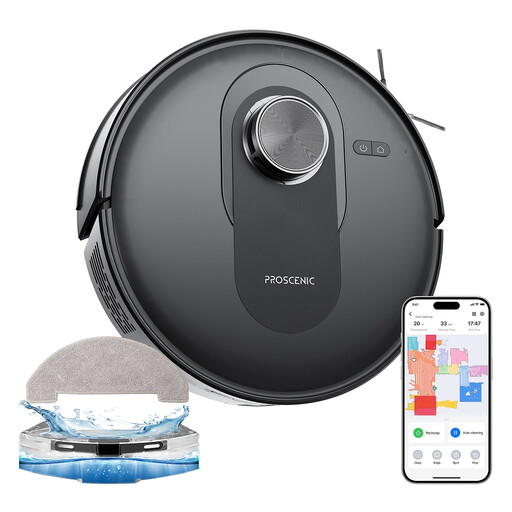
Why it's a good fit: Ideal for anyone looking for a reliable, automated cleaning solution without breaking the bank. It offers core features typically found only in more expensive devices, making it a solid entry into the world of robot vacuums.
This model bypasses the chaotic navigation trap by using LiDAR technology. It creates precise maps and cleans systematically instead of moving around randomly.
Strong 6,000 Pa suction power for thorough pickup of dust and dirt. The app control allows for setting up no-go zones and cleaning schedules.
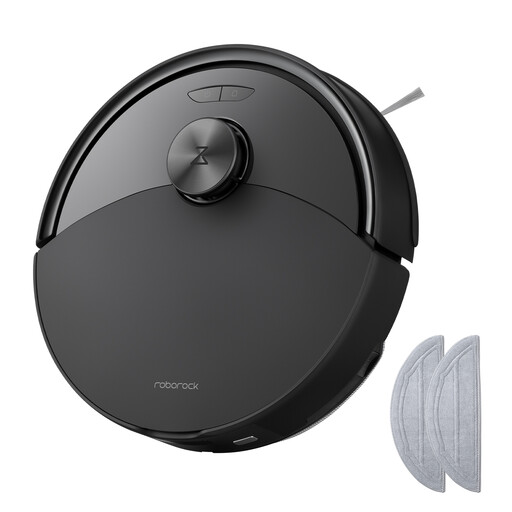
Why it's a good fit: Designed for the challenges of homes with dogs or cats. The combination of very high suction power and a special brush system ensures that pet hair is reliably removed without making maintenance difficult.
This model escapes the Pascal trap. It combines a very high suction power of 10,000 Pa with a dual anti-tangle system that actively reduces hair entanglement in the brush.
The automatic mop-lifting feature protects carpets from getting wet. Precise LiDAR navigation ensures complete coverage of the entire living area.
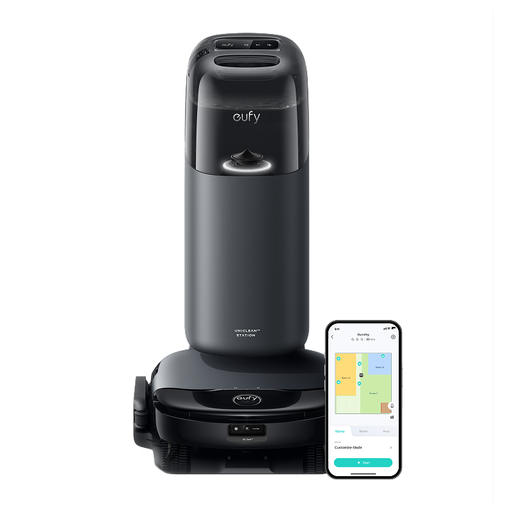
Why it's a good fit: For users who want a nearly completely autonomous cleaning solution. The all-in-one station handles almost all maintenance tasks, from emptying the dustbin to cleaning and drying the mop.
This device solves the "alibi" mopping problem. The "Always Clean Mop" system continuously cleans the mop during operation and uses 1 kg of pressure for effective stain removal.
The 10-in-1 UniClean Station automates emptying, mop cleaning, refilling, and drying. The 8,000 Pa suction power and intelligent obstacle avoidance ensure a thorough and uninterrupted cleaning.
We have compiled a complete, up-to-date list of products that fully meet these strict selection criteria and German safety regulations.
Modern devices with carpet detection avoid this problem. They use ultrasonic sensors to detect carpets and either automatically lift the mop or pause the water supply. Look for the "automatic mop-lifting" feature when buying if you have both hard floors and carpets.
The frequency depends on the size of your home, the number of pets, and the general level of dirt. According to manufacturer specifications, the bags in an average home often last between 30 and 60 days. In households with multiple pets, a more frequent change may be necessary.
The battery life is specified in minutes and varies depending on the suction level. Most models offer a runtime of 150 to 200 minutes in standard mode. More important than the maximum runtime is the "Recharge and Resume" function. If the battery runs low during cleaning, the robot returns to the charging station, recharges, and then continues cleaning from where it left off. This ensures that even large areas are cleaned completely.