
Lieferung heute & morgen

Qualitätsgarantie

Willkommens-Angebote freischalten: KOSTENLOSE Lieferung | Bis zu 80 % RABATT | Kostenlose 30-Tage-JoyPlus-Testphase
App herunterladen
Permanently clean floors without the daily chore of vacuuming and mopping—that's the promise of robot vacuums with mopping functions. But the market is cluttered and full of marketing claims that often fail to deliver in practice. Many devices turn out to be expensive mistakes that get tangled in cables, miss corners, or just spread dirt around.
As a Joybuy Product Recommendation Officer, I'm here to analyse the facts behind the marketing hype. This guide will show you the three most common pitfalls to avoid when buying and which technical features you really need to look for to find a device that truly makes your daily life easier.
Manufacturers often advertise impressive numbers and features. However, not all of them are crucial for a good cleaning result. Pay attention to these three points to avoid falling for empty promises.
High suction power, measured in Pascals (Pa), is an important but often overrated feature. A 25,000 Pa rating sounds impressive, but if the brush design tangles hair or the navigation is imprecise, dirt won't even make it to the suction inlet. For example, a robot vacuum for pet hair needs a well-designed, tangle-free brush and intelligent route planning to be effective. Sheer suction power is only one part of a cohesive, functional system.
Many budget-friendly models simply drag a damp cloth behind them. This removes light dust but has little in common with a true mopping clean. Stubborn stains or dried-on dirt are left behind. A high-performance robot vacuum and mop features active mopping systems, such as rotating mops or vibrating mopping plates, that apply pressure to the floor to simulate a scrubbing motion.
The navigation technology determines whether the robot cleans in systematic paths or wanders chaotically through the room. Basic models with gyroscope navigation often "forget" areas or get stuck on obstacles. Modern devices use laser navigation (LiDAR) or 3D structured light to create precise maps of your home, reliably detect obstacles, and plan efficient cleaning routes.
To avoid the pitfalls mentioned above, you should carefully check three technical aspects before buying. These determine the actual performance and day-to-day convenience.
Navigation and Obstacle Avoidance: Look for devices with LiDAR navigation (Laser Distance Sensor). This technology enables fast and precise mapping of rooms, the setup of no-go zones, and systematic cleaning. When combined with 3D sensors or cameras, even low-profile objects like cables or shoes are reliably detected and avoided.
Active Mopping System: For a thorough wet clean, models with rotating or oscillating mop pads are the better choice. Some premium devices can lift their mops on carpets to avoid getting them wet. Features like hot water mop cleaning in the station further enhance hygiene.
The Cleaning Station: A robot vacuum with a self-empty station offers the greatest convenience. The station not only automatically empties the robot's dustbin but, depending on the model, can also wash the mop pads, dry them with hot air (to prevent odours and bacteria), and refill the water tanks. This reduces manual maintenance to a minimum.
Based on these objective criteria, we have identified a few models that are particularly well-suited for different needs and households in the UK.
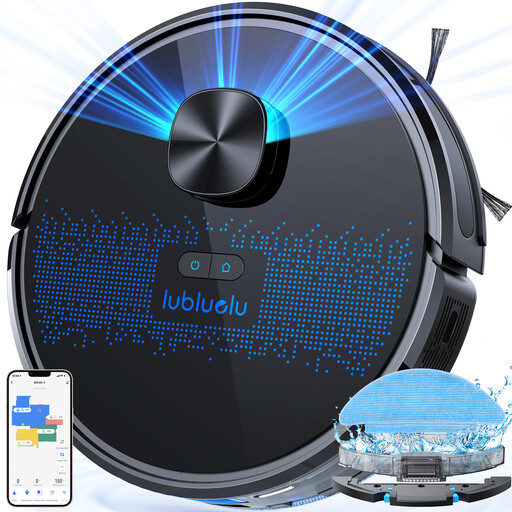
Why it fits: It offers advanced laser navigation and a solid 4000 Pa suction power without breaking the bank. Ideal for apartments and households that want reliable, systematic basic cleaning but can do without a fully automatic station.
Avoids the poor navigation trap with precise LiDAR mapping, which is not a given in this price range. This ensures systematic, gap-free cleaning instead of a chaotic pattern.
Precise laser navigation with map storage for up to 5 floors and quiet operation at just 55 dB.
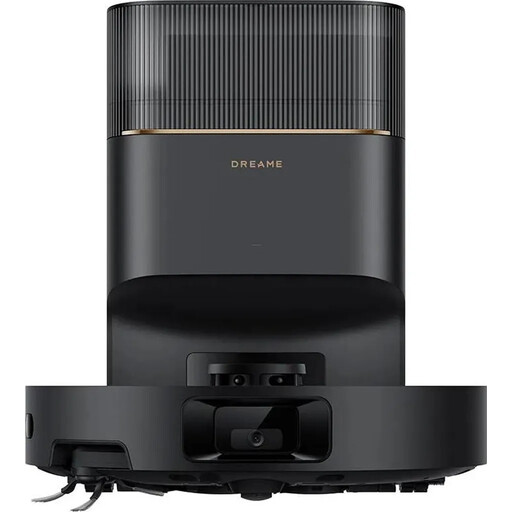
Why it fits: The combination of high suction power (13,000 Pa), a detangling duo-brush, and a station that the manufacturer claims can hold up to 150 days of dust makes it an excellent solution for the constant challenge of pet hair.
Solves the problem of tangled hair with its special HyperStream Detangling DuoBrush. The station's large dust bag capacity minimises the maintenance that would otherwise be a daily task with pet hair.
Up to 150 days of maintenance-free dust collection and a special brush technology that actively prevents hair tangles.
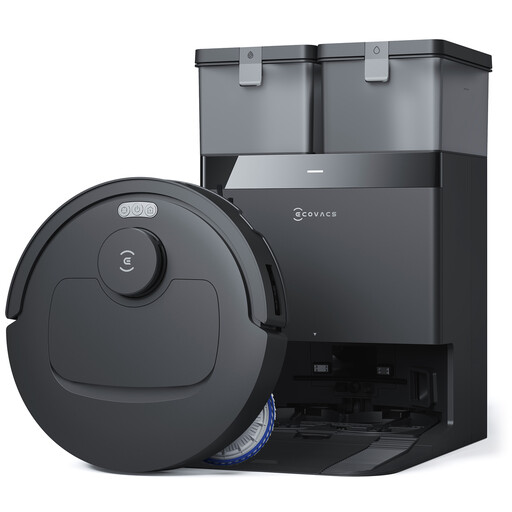
Why it fits: This model offers an all-in-one solution with extremely high suction power (25,000 Pa), intelligent edge cleaning, and a fully automatic station that washes the mops with 75°C hot water—for maximum hygiene and convenience on hard floors and carpets.
Provides a true active mopping function with hot water cleaning that goes far beyond simply dragging a damp cloth. The TruEdge 2.0 technology also ensures a thorough clean right up to the edges, which are neglected by many robots.
Fully automatic OMNI station with 75°C hot water mop washing and precise edge cleaning for a hygienic and complete result.
From robot vacuums and mops to specialised window-cleaning robots and pool cleaners – discover devices that meet our strict selection criteria.
The maintenance frequency depends heavily on the model. With basic devices without a station, you often have to empty the dustbin daily and clean hair from the brushes weekly. For models with a fully automatic cleaning station, the effort is significantly reduced. Here, you typically only need to empty/refill the water tanks every few weeks and change the station's dust bag every 1 to 3 months.
For users seeking maximum convenience, a station is a worthwhile investment. It's a major advantage, especially in households with pets or for allergy sufferers who want to minimise contact with dust. It reduces daily interaction with the robot vacuum to a minimum.
Yes, most modern combination devices feature automatic carpet detection. As soon as the robot moves onto a carpet, it increases its suction power for a deeper clean. At the same time, models with a mop-lifting function raise their mopping plates or pads to prevent the carpet from getting wet. This is a crucial feature for households with mixed flooring.