What to consider when choosing
Start by seeing how the cared-for person responds, without pressure. Then check the noise, cleaning requirements and controls of the specific model. In 2021, Hannover Medical School described varied reactions; section 35 of the IfSG requires the care facilities covered by the law to have internal hygiene plans.
| What matters |
What to check before buying |
Who is this important to? |
| Acceptance and touch |
Try it together to see whether the fur, movements and responses feel comfortable; stop if the person is uneasy. |
I want to see first whether the person I care for chooses to touch the animal and stays engaged. Around 31% of consumers put acceptance and suitable responses to touch first. |
| Cleaning and shared use |
Check the instructions for the exact model, which cleaning products are permitted and how it should be dried, and make sure these fit the hygiene procedures. |
If several people will use the animal, I need a suitable procedure for cleaning between users. Around 25% of consumers prioritise cleaning and hygiene for shared use. |
| Animal sounds and quiet |
Check the On, Mute and Off modes; don’t assume Mute means completely silent. |
During quiet periods of care, I want to control which animal sounds can be heard. Around 19% of consumers put controllable sounds first. |
| Controls and sensors |
Check the controls, wireless connections, image and audio sensors, and data processing separately. |
I want simple controls and to understand which sensors the specific model uses. Around 19% of consumers prioritise on-device controls and transparent information about sensors. |
| Power and upkeep |
Check whether the exact product generation uses batteries or needs charging, as well as its ongoing upkeep requirements. |
If I want to keep ongoing effort to a minimum, I’ll check the power supply and upkeep for the specific version. Around 6% of consumers put these points first. |
Joybuy products on this topic
The following Joybuy products are described as robot dogs with voice interaction. Check whether this type of interaction and the listed sensors suit the person you care for and the intended setting; product descriptions do not prove that they treat dementia.
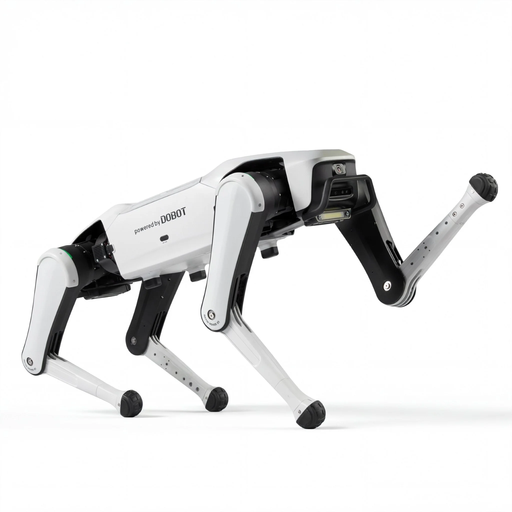 Image unavailable
DOBOT Rover X1 Pro AI robot dog
The product name mentions voice interaction but not touch responses; check whether this type of interaction suits the person you care for.
Features listed include Vision & UWB Follow and a four-legged companion robot.
View at Joybuy
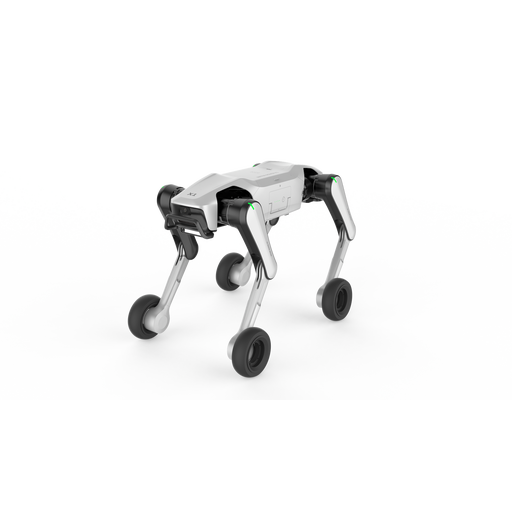 Image unavailable
DOBOT Rover X1-W Pro AI robot dog
The product name mentions voice interaction and Vision Follow; the product description also lists a camera. If you need a camera-free model, this version may not meet that requirement.
Listed features include a wheel-leg dual mode and UWB and Vision Follow functions.
View at Joybuy
Frequently asked questions
What should I do if the person refuses the animal or loses interest?
Offer the animal without pressure and stay with the person; don’t force the activity if they put it aside or find it unpleasant. In 2021, Hannover Medical School reported varied reactions and differences in how long people paid attention. This is a historical observation from practice, not a guarantee of success.
Does wiping it down mean it’s approved for shared use?
No. Ageless Innovation’s Joy for All guide describes cleaning by wiping and drying, while an older Hasbro guide sets different limits on cleaning products. Follow the instructions for the exact model and assess shared use separately as part of the care setting’s hygiene procedures.
Does a care facility need to include the robotic animal in its hygiene plan?
The facilities and organisations covered by section 35 of the IfSG, including those providing care and integration assistance, are required to put infection prevention measures and internal hygiene plans in place. Shared use of a robotic animal should therefore be considered within the procedures of the relevant facility. This does not mean that a specific product has special approval, nor that every private household has the same hygiene-plan requirement.
What is the usual limitation period for claims about defects when buying a product?
Section 438(1)(3) of the BGB generally sets a two-year limitation period for ordinary purchases of goods; under subsection 2, the period starts when the goods are delivered. This is a statutory limitation period, not a promise of a particular manufacturer’s warranty. Check the specific agreement if different terms or special circumstances apply.


