What should you look for when choosing one?
Base your choice on the inspection task you actually need to carry out. Compare options using the same measurement points, payloads and route conditions.
| Your priority |
What to look for |
Who should pay particular attention? |
| The right measurement data |
Match the measurement and sensor option to each measurement point. Check the mounting, power supply and data export for the specific configuration. |
If I need to capture specific readings at every point around my equipment, a camera alone may not be enough. Around 25% of consumers are likely to consider suitable measurement data their main priority. |
| Mobility and runtime |
Test narrow passages, stairs, measurement stops and the return journey with the sensors fitted. Compare runtime figures according to payload and test conditions. |
If you need to reach measurement points across difficult terrain, test the entire route with the robot fully equipped. Around 20% of consumers are likely to put all-terrain capability first. |
| Repeatable routes |
Check route setup, network coverage, return, charging and manual takeover at the intended operating site. |
If inspections need to take place regularly, clear procedures and responsibilities matter. Around 20% of consumers are likely to see route operation as a key priority. |
| Safe operation |
Assess hazards and safety measures for the specific operation. Check for hazardous-area certification only if the route actually passes through a designated hazardous area. |
If employees will be nearby or there are particular environmental hazards, factor in the specific operating conditions. Around 20% of consumers are likely to prioritise demanding operating environments. |
| Integration and operation |
Confirm data formats, interfaces, software support, maintenance and scope of services in advance. Include any potential customisation work in your planning. |
If measurement data needs to feed into existing processes, suitable interfaces and manageable support requirements are essential. Around 15% of consumers are likely to focus on integration and ongoing effort. |
Robots for industrial inspection tasks
The following Joybuy listings cover quadruped robots for image-based industrial inspections and navigation-based routes. Check the sensors, customisation options and safe operating conditions for your specific inspection round.
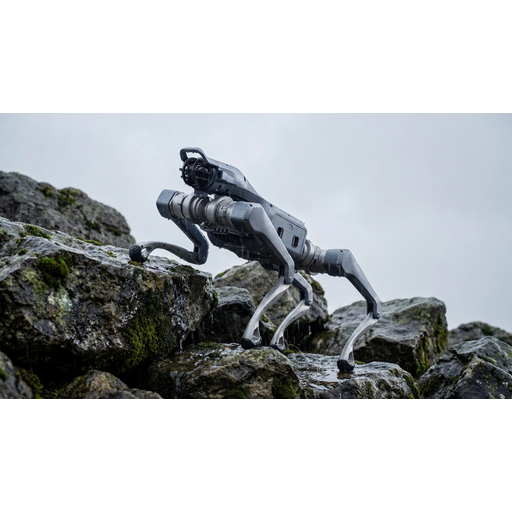 Image unavailable
Unitree AS2 air Quadrupedal Robot
For image-based inspection points on uneven terrain, the product description lists an HD camera and industrial inspection as an intended application.
The description recommends supervising the robot during operation and warns of a crushing hazard around its legs and joints. Avoid water, damp conditions and high humidity.
View at Joybuy
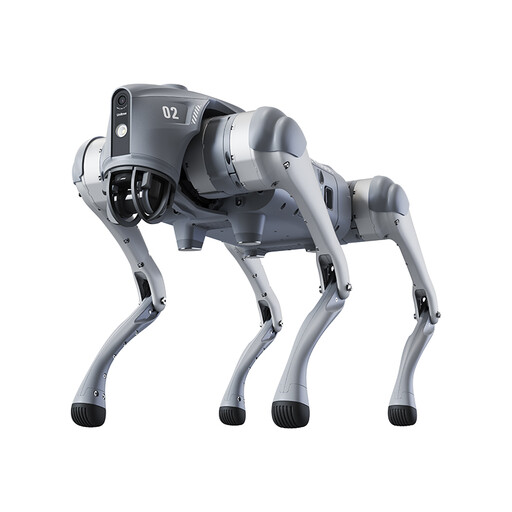 Image unavailable
Unitree Go2 Pro Quadruped Bionic Robot
For image-based inspection routes, the product title lists a 360° panoramic view and SLAM navigation.
The description mentions app-based programming but rules out secondary development. Check in advance whether you can make the customisations you need without developing your own software or sensors.
View at Joybuy
Frequently asked questions
Is CE marking enough to use a robot in a factory?
No. Under § 3 BetrSichV, CE marking does not exempt an employer from carrying out a risk assessment before using equipment as a work tool. You must also check the product obligations for the specific configuration supplied or substantially modified.
Which machinery rules apply when purchasing in October 2026?
For machinery, the Federal Institute for Occupational Safety and Health currently refers to Machinery Directive 2006/42/EC and its implementation in German law. Machinery Regulation (EU) 2023/1230 replaces the Directive from 20 January 2027. The applicable conformity assessment requirements need to be established based on the relevant date and the specific system integration.
Does a robot need to be inspected again after sensors are fitted?
Not every attachment automatically amounts to a substantial modification or triggers the same inspection requirements. The Federal Institute for Occupational Safety and Health explains that a substantial modification may trigger new requirements for making equipment available; under the relevant conditions, § 14 BetrSichV requires inspections after changes subject to inspection. Assess the specific change and its effects.
Can an inspection camera also capture employees or visitors?
The purpose of inspection does not grant blanket permission. If personal data is processed, you need to assess the legal basis, necessity and interests of the people affected for the specific use. Audio recording also requires a separate assessment of what is recorded, the purpose and the legal basis. The Data Protection Conference offers guidance, but does not approve any particular robot mission.
How should I plan operation and servicing after installation?
Ask for a complete mission to be demonstrated, including measurement stops, the return journey and charging. Set out responsibilities for operation, updates, maintenance and fault resolution in the quotation. Wacker Chemie AG reports that its pilot operation at the Burghausen plant involved individually adapted programming and support from an employee; this does not provide a general benchmark for costs.


