
Lieferung heute & morgen

Qualitätsgarantie

Willkommens-Angebote freischalten: KOSTENLOSE Lieferung | Bis zu 80 % RABATT | Kostenlose 30-Tage-JoyPlus-Testphase
App herunterladen
Cleaning windows, especially large glass facades, conservatories, or on upper floors, is often tedious and not without risk. A window cleaning robot promises a solution: an automated, safe, and efficient way to achieve a streak-free shine. But the market is flooded with devices making bold advertising claims. Before you make a purchase, it's crucial to understand the common pitfalls that can lead to disappointment and unnecessary expense.
As your Joybuy Product Recommendation Officer, I'm here to help you separate marketing hype from fact. Here are the most common problems and what you should look out for.
Common Pitfalls When Buying a Window Cleaning Robot:
To avoid a bad purchase, you should examine three core technical parameters. These determine whether an automatic window cleaner will perform its job reliably and truly make your life easier.
A critical factor for achieving a result that comes close to "cleaning windows streak-free" is the navigation technology.
Safety is non-negotiable for devices that operate at height on a vertical surface. Look for a combination of the following features:
The actual cleaning performance depends heavily on the moistening method and the quality of the cloths used.
Based on these objective criteria, we have identified several models that represent a smart choice for different user profiles and requirements.
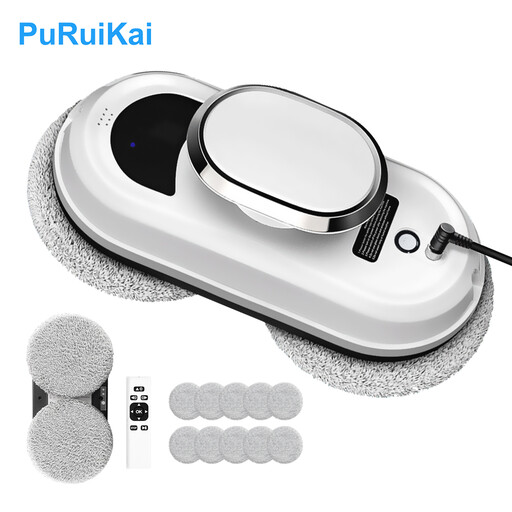
Why It's a Match: This device offers the core functions of an automatic window cleaner, including intelligent path planning and a remote control. It's a great choice for users who want to try the technology without a large initial investment, while still getting essential safety features.
It counters the "poor edge cleaning" problem with automatic edge detection, which reduces the need for manual follow-up compared to basic random-path models.
The remote control and various cleaning modes offer straightforward operation. The device includes a backup battery and a safety tether.
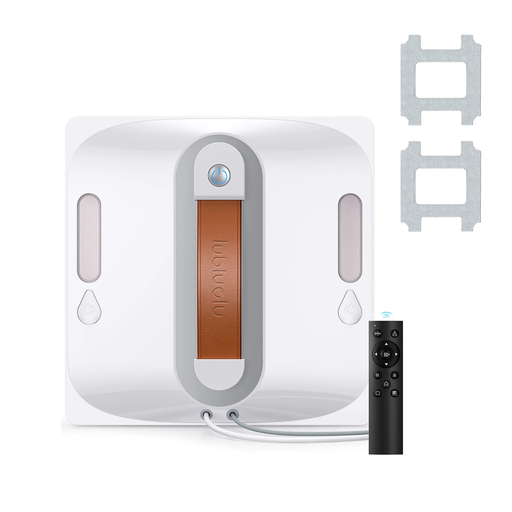
Why It's a Match: This model is designed for users who place the highest priority on safety, such as when cleaning windows on upper floors or hard-to-reach conservatories. The comprehensive safety package ensures peace of mind during operation.
It directly addresses the "inadequate safety concepts" pitfall with what the manufacturer calls an 8-layer protection system, which includes a backup battery, multiple anti-collision and anti-fall sensors, and a robust safety tether.
The combination of 6500 Pa suction power and automatic air pressure compensation ensures a stable hold. The dedicated edge cleaning mode is designed to thoroughly clean borders.
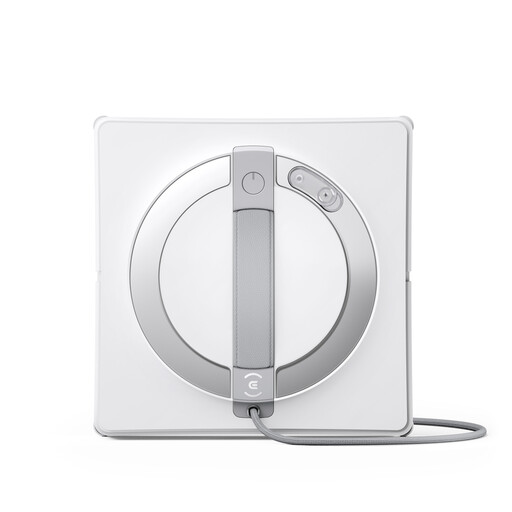
Why It's a Match: This system is aimed at users seeking a comprehensive and convenient solution. The multifunctional station significantly minimises manual effort before, during, and after cleaning, making the Ecovacs Winbot a premium-segment option.
It solves the problems of edge cleaning and uneven moisture with its WIN-SLAM 4.0 path planning and a three-nozzle, wide-angle spray technology, designed for a thorough clean right to the edge.
The 6-in-1 multifunctional station serves as a base, charging unit, storage case, and houses the combined power and safety cable. This simplifies the entire process from setup to storage.
We have compiled a complete, up-to-date list of products that fully meet these strict selection criteria and safety regulations.
Modern devices feature multi-stage safety systems. Key features include an integrated backup battery (UPS) for power outages, a tear-resistant safety tether, and edge detection sensors. When used according to the manufacturer's instructions, the risk is low. However, it is crucial to correctly fasten the safety tether indoors before every use.
Yes, most current models are suitable for use on frameless glass surfaces. They use advanced edge detection sensors to identify the edge of the glass and automatically change direction. Before purchasing, check the product specifications to ensure the device is explicitly rated for frameless surfaces.
The cleaning result depends on the model, the cleanliness of the pads, and the cleaning solution used. Models with intelligent path planning and an automatic spray function tend to achieve more uniform and streak-free results. It is important to use clean microfibre pads for each cleaning cycle to avoid spreading dirt and to achieve the goal of "cleaning windows streak-free".