
Lieferung heute & morgen

Qualitätsgarantie

Willkommens-Angebote freischalten: KOSTENLOSE Lieferung | Bis zu 80 % RABATT | Kostenlose 30-Tage-JoyPlus-Testphase
App herunterladen
The selection of robots for kids is vast, and many promise a fun introduction to the world of technology. But not every model lives up to its promises. As a Joybuy Product Recommendation Officer, I see every day which products bring long-term joy and which ones quickly end up gathering dust. This guide will help you navigate the common pitfalls and make an informed decision.
Before you invest, you should be aware of the most common issues that can quickly put an end to the fun.
To avoid a poor purchase, you should focus on three core aspects. These determine whether a robot for kids becomes a long-lasting companion or a short-term distraction.
Interaction is at the heart of every robot. There are fundamental differences here:
The type of assembly has a major impact on the play experience and educational benefit.
A toy robot for ages 8 and up has different requirements than a model for preschoolers.
Here are some recommendations tailored to different needs and age groups.
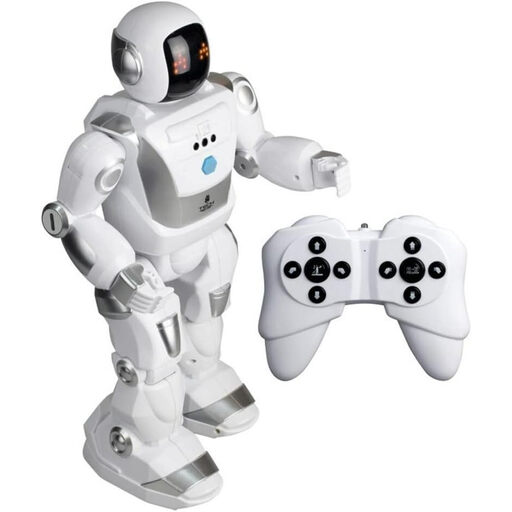
Why This Fits Their Persona: This model is an ideal entry point into the world of programmable robots without being overwhelming. It's ready to use out of the box and is controlled via an intuitive remote, which prevents frustration and allows for immediate fun.
It bypasses the "fleeting fascination" pitfall because it can store up to 48 commands in a sequence. The child can plan simple routines, which goes beyond simple remote control.
No App Required: Programming is done directly via the remote control. Motion Control: Can also be controlled with hand gestures.

Why This Fits Their Persona: Ideal for kids who love to build and tinker. This robot building kit with over 600 pieces offers a real construction challenge and promotes technical understanding, as five different models can be built from the parts.
It avoids the trap of superficial learning. The building process itself is educational, and the app offers a path-following and a block-based programming mode in addition to remote control.
High Versatility: The 5-in-1 concept ensures long-lasting building and playing fun. Rechargeable Battery: Avoids follow-up costs for batteries.
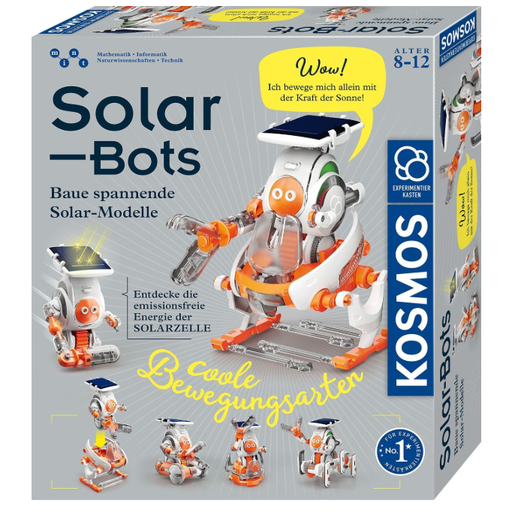
Why This Fits Their Persona: Perfect for children interested in sustainability and alternative energy. This experiment kit focuses on building eight different models, all powered by a single solar cell.
It avoids the hidden costs pitfall as it requires no batteries. The educational effect is clearly defined, focusing on how solar energy and mechanics work.
Focus on Renewable Energy: Teaches an important topic for the future in a practical way. Modular System: The Easy-Click system allows for simple conversion into different models (walking, driving, crawling).
We have compiled a complete, up-to-date list of products that fully meet these strict selection criteria and all relevant safety standards.
1. What should I look for regarding the safety of toy robots? Look for the CE mark, which confirms that the product meets EU safety standards. The material, usually ABS plastic, should be declared as free of harmful substances. For models aimed at younger children, it's important that there are no small parts that can be swallowed and that the battery compartment is securely screwed shut.
2. How does a learning robot differ from a regular remote-controlled toy? A simple remote-controlled robot is controlled directly and is primarily for entertainment. A learning robot, on the other hand, integrates elements that go beyond pure control. This includes assembling it from a manual (robot building kit), which teaches mechanical understanding, or creating command sequences (programmable robot), which promotes logical thinking.
3. Do all programmable robots require a smartphone or tablet? No. While many modern models use app control for advanced features, there are alternatives. Some robots can be programmed using buttons on the device itself or via a special remote control that can store command sequences. This can be a great option if you want to limit screen time.