
Lieferung heute & morgen

Qualitätsgarantie

Willkommens-Angebote freischalten: KOSTENLOSE Lieferung | Bis zu 80 % RABATT | Kostenlose 30-Tage-JoyPlus-Testphase
App herunterladen
A robot vacuum cleaner with a mopping function and self-emptying station can significantly reduce the amount of daily cleaning. These appliances vacuum independently, mop suitable hard floors and empty the dust container at the station. This is particularly practical for households with dogs or cats, families and larger homes.
However, having a wide choice does not automatically mean you will find the right model. Check these three common purchasing pitfalls before placing your order:
A robot vacuum cleaner with mapping should capture rooms in a structured way wherever possible and be able to target cleaning areas precisely. LiDAR or LDS laser navigation uses a laser sensor to create a digital map of your home. Depending on the app, this supports planned routes and enables:
For homes with multiple floors, the number of maps that can be stored is an important specification. Buyers should also check whether the model only supports 2.4 GHz Wi-Fi and whether their own network is compatible.
The specification “robot vacuum cleaner with 8000 Pa suction power”, or a higher figure, can be a useful point of comparison, but it should not be assessed in isolation. For pet hair, the following features are also important:
For homes with dogs and cats, we recommend choosing a model specifically designed for pet hair, carpets and hard floors. Long hair can still become wrapped around the brushes, so regular checks remain necessary even with a robot vacuum cleaner that empties itself.
A robot mop for hard floors and carpets should be able to detect carpeted areas or allow you to define them in the app as no-go or carpet zones. Otherwise, a damp mop pad may leave unwanted moisture on a carpet.
You should also check:
A quiet robot vacuum cleaner is often advertised with a specific decibel rating. However, this figure applies to a defined operating mode and may vary depending on the suction power, floor surface and emptying process. For sensitive pets or open-plan living areas, scheduled cleaning is often more useful than relying solely on one quoted figure.
The following models have been assigned to different everyday situations based on their stated technical specifications. Details such as suction power, dust bag capacity and runtime come from the respective product information.
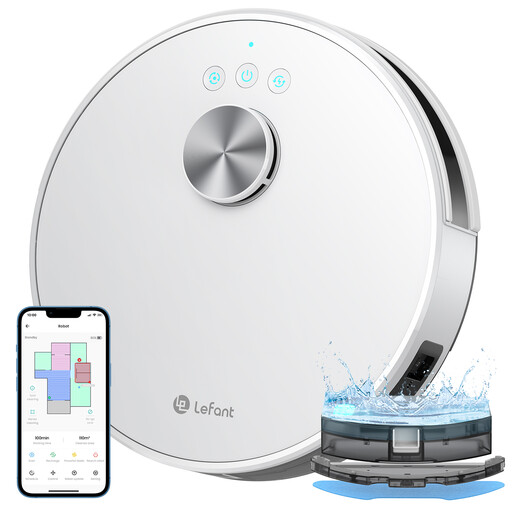
Why this product suits the profile: This model combines 5500 Pa suction power with LiDAR navigation, multi-floor mapping and app and Alexa integration. It is therefore suitable for users looking for essential automation features and straightforward room control.
The selection is based not only on the Pa rating, but also takes laser navigation and app control into account. Before buying, you should still check which accessories for mopping and maintenance are included.
5500 Pa suction power; LiDAR navigation with multi-floor mapping, plus app, Wi-Fi and Alexa connectivity.
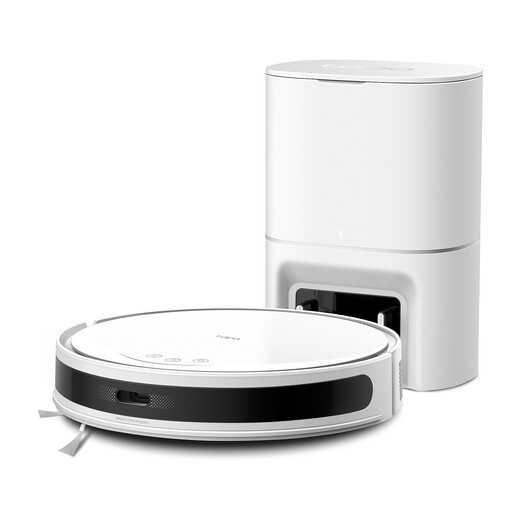
Why this product suits the profile: At 83 mm high, this robot is designed to clean underneath low furniture such as sofas and beds. MagSlim LiDAR, app and voice control, plus a 3-litre station, make it appealing to users who want to manage cleaning and schedules in detail.
Carpeted areas can be defined manually in mopping mode. This helps avoid the common assumption that carpet detection will work automatically in the same way in every environment.
5300 Pa suction power; 3-litre dust bag, 83 mm height, LiDAR mapping, plus Alexa and Google Assistant compatibility.
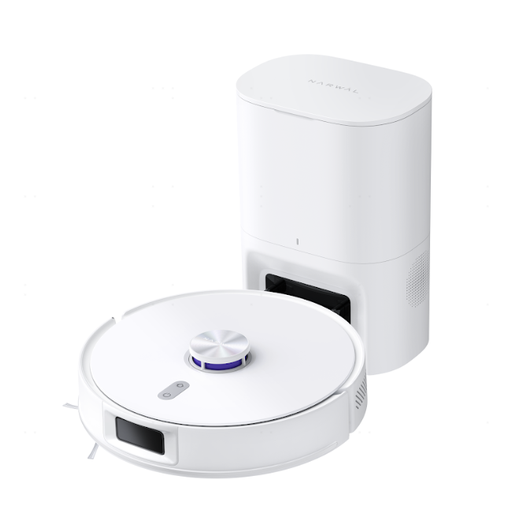
Why this product suits the profile: This model is aimed at pet owners and larger households looking to combine high suction power, LDS laser navigation and automatic dust emptying.
Alongside 8000 Pa, the assessment also considers 145 minutes of runtime in standard mode, a 3.5-litre dust bag and the specified obstacle detection. The number of uses per bag will still depend on the household and the amount of dirt.
8000 Pa suction power; 3.5-litre dust bag, 8 N cleaning pressure, LDS laser navigation and multiple suction modes.
We have put together a complete, regularly updated list of products that fully meet these strict selection criteria and the safety regulations applicable in the EU.
Place the station on a level, hard surface and leave enough space to the sides and in front of it. Once the robot is fully charged, install the app and connect the robot to the supported Wi-Fi network. The first mapping run should take place with no loose cables, clothing or small objects lying around. You can then define rooms, cleaning times and no-go zones.
Its service life depends on usage, maintenance and the availability of replacement parts. Brushes, filters, mop pads and dust bags are wear parts. In households with pets, the main and side brushes should be checked for hair more frequently. The charging contacts and sensors must also be kept clean and dry. Check the specific warranty and service conditions in the relevant product information before buying.
In addition to electricity consumption, you may need to pay for dust bags, filters, brushes, mop pads and, where applicable, cleaning solution. A larger bag capacity does not necessarily reduce all costs, but it can reduce how often the bag needs to be changed. Before placing your order, it is worth checking whether replacement parts are available separately and which components need to be cleaned or replaced regularly.