
Lieferung heute & morgen

Qualitätsgarantie

Willkommens-Angebote freischalten: KOSTENLOSE Lieferung | Bis zu 80 % RABATT | Kostenlose 30-Tage-JoyPlus-Testphase
App herunterladen
A robot vacuum cleaner with a mopping function can make daily floor care easier. However, eye-catching advertising claims don’t automatically mean a product is right for you. If your home has carpets, pets or several rooms, it’s particularly important to compare technical specifications, docking station features and maintenance requirements carefully.
The suction power quoted in pascals (Pa) describes the maximum vacuum pressure. However, it doesn’t tell you everything about how well a robot picks up pet hair or crumbs. These factors matter too:
A robot vacuum cleaner with strong suction may perform well on hard floors, but long hair can still need removing from the brush regularly.
Many models drag a damp mop pad behind them. This can help with light dust and everyday dirt, but it won’t always replace manual cleaning. Water control, pressure on the floor, mop lifting and the option to exclude carpets in the app are all important.
A robot vacuum cleaner for carpets and hard floors should lift its mop pads when it detects a carpet, or avoid carpeted areas altogether. Otherwise, carpets and rugs could get damp.
A robot vacuum cleaner with an auto-empty station empties its dust container automatically. Some models with an all-in-one station also wash and dry the mop pads. Even so, you’ll still need to check the filters, brushes, sensors, clean-water tank and dirty-water tank regularly.
Also check the ongoing cost of dust bags, mop pads, filters and cleaning products. A bagless station can reduce running costs, but it needs to be emptied manually in a different way.
LiDAR navigation uses a laser to create a map of your rooms and plan systematic routes. This is particularly useful in larger homes, homes with multiple floors or rooms with lots of furniture. Look for:
An app can give you many more ways to control your robot. However, check whether an app-controlled robot vacuum cleaner needs 2.4 GHz Wi-Fi, which smartphone operating systems it supports, and whether the features you want are available without ongoing extra costs.
If you have pets, a main brush that resists tangles and an easy-to-access brush cover are important. ‘Anti-tangle’ describes a technical feature, but it doesn’t guarantee that you’ll never need to remove hair.
For mixed flooring, look for:
Battery life depends on the cleaning mode, floor type and whether the mopping function is in use. Figures such as 180 or 200 minutes should therefore be treated as manufacturer estimates under specific conditions. For larger homes, ‘Recharge and Resume’ and a saved map are useful features.
Measure the space before you buy. Many docking stations need extra clearance at the sides and in front. For example, some models require around 0.5 metres at the sides and 1.5 metres in front of the station. Move loose cables out of the way and keep the charging contacts dry.
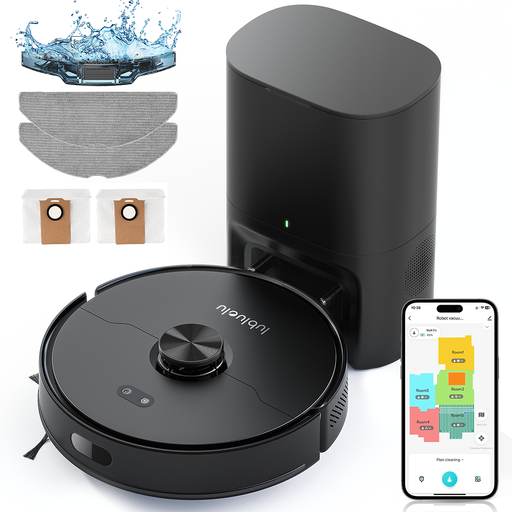
Why it suits this type of home: This model combines vacuuming, mopping, laser navigation and app control with a stated suction power of 4000 Pa. The ability to save five maps is useful in homes with multiple floors.
The product details list laser navigation, room controls and virtual walls, rather than relying solely on random movement. However, the mopping function should only be used on suitable hard floors.
4000 Pa, 55 dB according to the product details, laser navigation and app features.
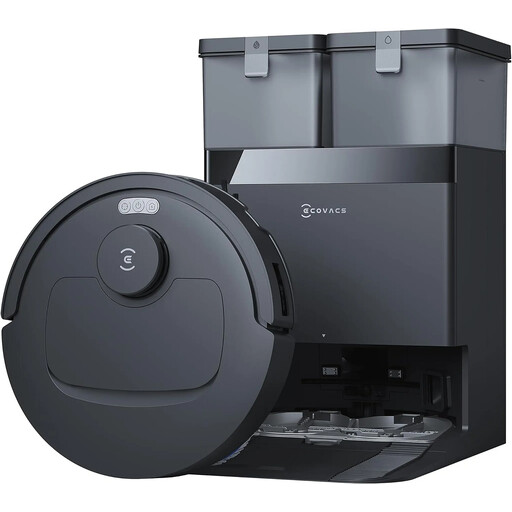
Why it suits this type of home: According to the product description, the OMNI station empties the dust, cleans the mop pads, dries them with hot air and refills the water. It’s designed for people who want to keep daily hands-on tasks to a minimum.
The station cuts down on maintenance, but you’ll still need to check the brushes, filters and tanks. Automatic carpet detection with mop lifting helps reduce the risk of wet carpets.
25,000 Pa according to the product details, TrueMapping 2.0, TrueDetect 3D and 4-litre water tanks.
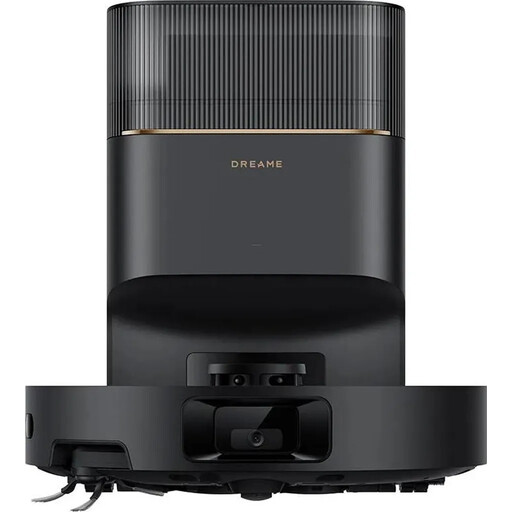
Why it suits this type of home: With 13,000 Pa, a 5-litre dust bag, a 5200-mAh battery and a stated runtime of up to 260 minutes in vacuuming mode, it’s designed for larger areas and homes with pets.
The Detangling DuoBrush and 3D obstacle detection are designed to tackle common problems with hair and objects on the floor. However, the 5-litre station requires dust bags.
13,000 Pa, 5-litre dust bag, automatic emptying and app control.

Why it suits this type of home: The product details list 25,000 Pa, ZeroTangle 3.0, automatic mop cleaning with water heated to 75 °C, and mop lifting on carpets.
The anti-tangle design reduces the amount of brush maintenance needed. However, you should still check for hair and inspect the filters and station as instructed in the manual.
25,000 Pa, ZeroTangle 3.0, 75 °C mop cleaning and automatic dust emptying.
We’ve put together a complete, regularly updated list of products that meet these strict selection criteria and fully comply with the safety regulations in force in the EU.
Before the first cleaning run, remove any protective film, place the station on a level surface and let the robot create a complete map. Clear cables, small objects and fragile decorations from the floor. If you have children or pets, it’s a good idea to supervise the first run.
For regular care, follow these steps:
Yes, as long as the model is designed for carpets. Automatic carpet detection, mop lifting or custom no-go zones are important features. A damp mop pad shouldn’t be run over delicate or deep-pile carpets.
It depends on the size of your home, how much dirt there is and how much pet hair needs picking up. Check the brushes and filters regularly. Mop pads usually need cleaning after wet mopping. A station with automatic mop cleaning reduces the work you need to do by hand, but doesn’t remove the need for maintenance altogether.
Self-emptying can be useful for busy people, families and pet owners, as you won’t need to empty the robot’s small dust container after every run. Before buying, though, compare dust bag capacity, replacement costs, station size and how the clean- and dirty-water tanks are cleaned.