
Lieferung heute & morgen

Qualitätsgarantie

Willkommens-Angebote freischalten: KOSTENLOSE Lieferung | Bis zu 80 % RABATT | Kostenlose 30-Tage-JoyPlus-Testphase
App herunterladen
A robot vacuum that not only vacuums and mops but also cleans, empties, and maintains itself—the promise of fully automated floor cleaning is alluring. However, the market for premium home robots is filled with marketing buzzwords and features whose practical benefits aren't always immediately clear. A significant investment can quickly lead to disappointment if the device fails to deliver on its promises in daily use.
As your Joybuy Product Recommendation Officer, I'm here to help you separate the essential features from the superfluous ones. This guide will show you the most common pitfalls to avoid when buying and which core parameters you should focus on to make an informed decision.
Many devices look impressive on paper but only reveal their weaknesses during daily use. Pay close attention to these three points to avoid a bad purchase:
To avoid these traps, you should carefully examine three technical aspects before buying. These largely determine the device's autonomy and cleaning quality.
A modern, all-in-one station is the centrepiece of an autonomous system. Look for these three core functions:
The robot's ability to move intelligently and smoothly through your home is crucial.
Mopping performance varies greatly between models.
Based on these criteria, we have identified models that offer a suitable solution for different user profiles and their specific requirements.
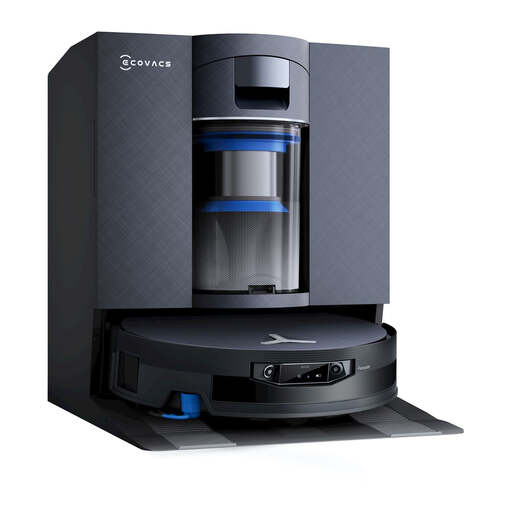
Why This Fits Their Persona: This model is aimed at users who want the absolute maximum in automation and intelligent technology. It's ideal for large, complex living spaces with pets, where advanced obstacle detection and a self-maintaining station are indispensable.
The ECOVACS X12 OMNICYCLONE station washes and dries the mops, sidestepping the hygiene trap. Its AIVI 3D 4.0 navigation reliably detects and avoids small objects, preventing the robot from getting stuck. The TruEdge 3.0 technology ensures a thorough clean right up to the edges.
Fully automated all-in-one station (washes, dries, empties) and AI-powered navigation for a nearly maintenance-free cleaning experience.
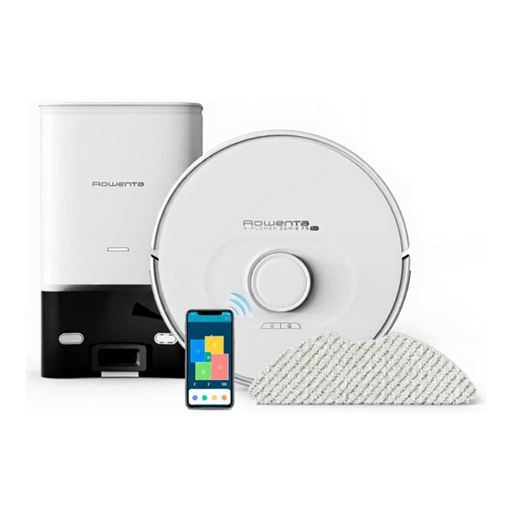
Why This Fits Their Persona: A reliable 4-in-1 solution that automates the core tasks of vacuuming, mopping, and dust disposal without an overloaded feature set. Ideal for structured homes where consistent and predictable performance is the priority.
The auto-empty station solves the problem of constant manual emptying, offering weeks of autonomy. The precise laser navigation prevents uncoordinated wandering and ensures complete coverage of all rooms.
Combines precise laser navigation for systematic cleaning with an auto-empty station for significantly reduced manual effort.
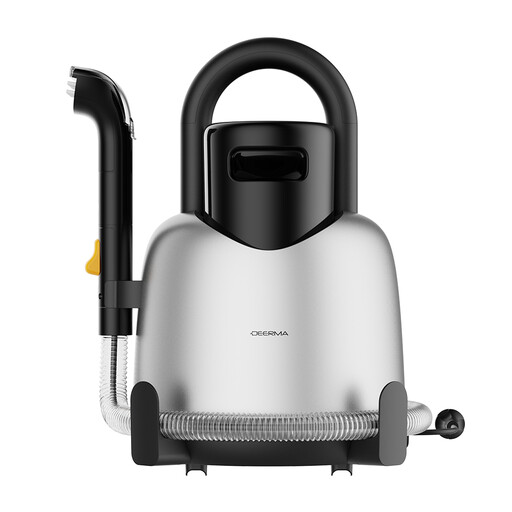
Why This Fits Their Persona: While a robot handles daily floor care, this spot cleaner is the specialist for tasks a robot can't manage—like deep cleaning upholstery, car seats, or removing stubborn stains from carpets.
This device complements a robot vacuum by overcoming its inherent limitations. It tackles deep-seated dirt in textiles and on stairs—areas where even the most advanced robot vacuum and mop hits its limits.
High-temperature steam/hot water function and powerful suction for removing stains from upholstery and carpets where robots can't go.
We have compiled a complete, up-to-date list of products that fully meet these strict selection criteria and all relevant safety regulations.
Maintenance intervals depend on the model and frequency of use. As a rule of thumb, the dust bag in the station should be changed every 30 to 60 days. The clean and dirty water tanks should be emptied and refilled after every major cleaning cycle, or at least once a week, to prevent odours. A basic cleaning of the station and its sensors is recommended monthly.
Yes, modern devices are often very well-suited for homes with pets. Look for models with high suction power and a rubberised, brushless main brush (or anti-tangle technology like ZeroTangle) to minimise hair wrap. AI-powered obstacle detection is a major advantage, as it reliably recognises and avoids pet toys or food bowls.
The navigation type is crucial for efficiency and thoroughness. LiDAR systems create precise maps and enable systematic cleaning in straight lines, which is faster and more complete than random navigation. AI-powered camera systems supplement this with the ability to identify objects and dynamically adjust cleaning behaviour, significantly increasing reliability in cluttered environments.