
Lieferung heute & morgen

Qualitätsgarantie

Willkommens-Angebote freischalten: KOSTENLOSE Lieferung | Bis zu 80 % RABATT | Kostenlose 30-Tage-JoyPlus-Testphase
App herunterladen
A robot vacuum that not only vacuums but also mops and then cleans itself—this promises to be a game-changer for household chores. However, the market is flooded with technical jargon and marketing promises that make choosing difficult. Many devices fail to live up to their advertising claims, leading to disappointment instead of convenience. As your Joybuy Product Recommendation Officer, I'll help you identify the crucial features and avoid common purchasing traps.
Before you make a decision, you should be aware of the most prevalent problems that often only become apparent after the purchase.
To make an informed decision, focus on the following three core functions. They are the primary determinants of the level of automation and cleaning quality.
The station is the centerpiece of a modern system. Its capabilities define how much manual work is actually taken off your hands. There are essentially four levels:
Navigation determines how systematically and efficiently the robot cleans your home.
The right equipment for your floors is crucial, especially with mixed flooring types.
Based on the criteria above, we have identified a few models that are well-suited for different needs and households in the UK.
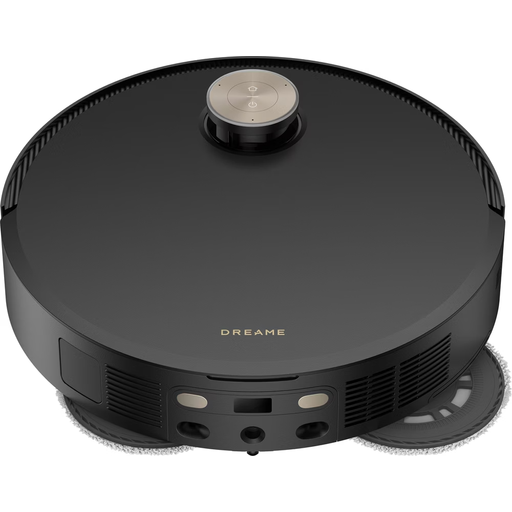
Why This Fits Their Persona: Ideal for complex homes with lots of furniture, door sills, and pets. The system offers the highest level of automation and cleaning intelligence for users who want minimal manual intervention.
The combination of 20,000 Pa suction power and the HyperStream DuoBrush ensures effective dirt pickup that goes beyond mere Pa values. The station cleans the mops with 80°C hot water and dries them, ensuring true mopping performance. The 3DAdapt AI recognises up to 200 objects and reliably navigates around them.
ProLeap Climbing Function: Overcomes obstacles up to 6 cm high, according to the manufacturer. Dual Flex Arm: Extendable side brush and mop for thorough edge cleaning.
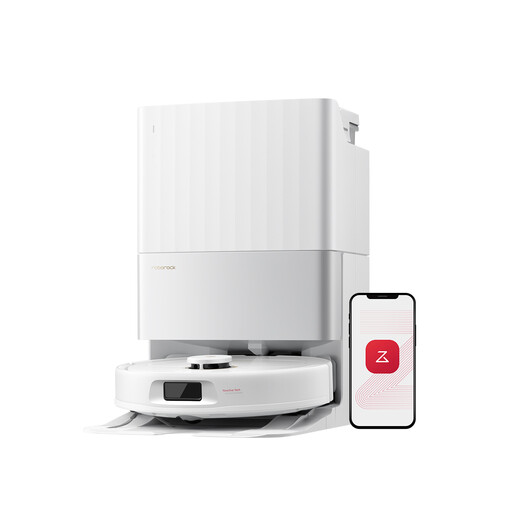
Why This Fits Their Persona: Perfect for users with a mix of hard floors and carpets. The device intelligently adapts its cleaning strategy to the surface, ensuring carpets stay dry while hard floors are thoroughly mopped.
Instead of relying solely on suction power, this model combines 12,000 Pa with a dual rubber brush system that effectively detangles hair. The station washes and dries the mops with hot air, ensuring hygienic mopping performance. Its intelligent navigation reliably avoids obstacles.
FlexiArm Design Mops: The mop extends along edges to ensure gap-free cleaning. Automatic Mop Lifting: Upon detecting a carpet, the mops are lifted to prevent it from getting wet.
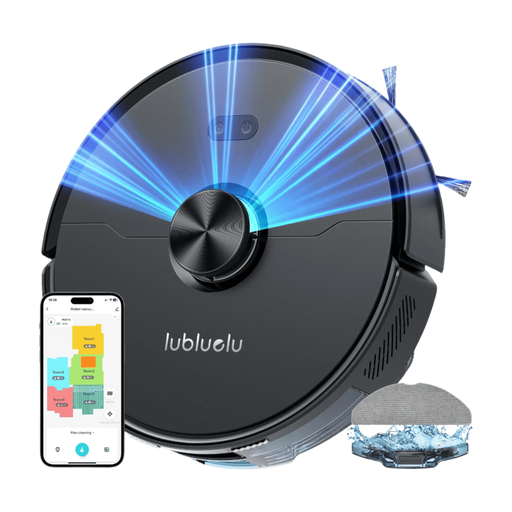
Why This Fits Their Persona: A solid choice for anyone seeking the core benefits of a fully automated cleaning station (vacuuming, mopping, self-cleaning) without paying for the absolute latest premium features. Offers a balanced ratio of performance to cost.
This model offers a 3-in-1 station that empties the dustbin, cleans the mops, and dries them with 45°C hot air. This avoids the "damp cloth" trap and provides a hygienic solution. The laser navigation ensures systematic cleaning and is more reliable than simple sensors.
Comprehensive Station: The station empties dust, refills fresh water, collects dirty water, and dries the mops. Laser Navigation: Allows for precise mapping and saving up to 5 maps, ideal for multi-story homes.
We have compiled a complete, up-to-date list of products that fully meet these strict selection criteria.
Although the systems are considered "low-maintenance," the station requires regular attention. The fresh water tank needs to be refilled every few days to a week, depending on usage, and the dirty water tank must be emptied. The dust bag in the station typically has a capacity for 30 to 75 days before it needs to be replaced. It is also recommended to clean the station's washing tray and the robot's sensors monthly.
It depends on the technology. Models that rely exclusively on LDS/LiDAR navigation work perfectly in the dark, as lasers do not require ambient light. Pure camera systems (vSLAM) can struggle in low-light conditions. However, many modern devices combine LiDAR with a camera and feature an additional LED light to ensure reliable obstacle detection even at night.
Running costs are an important factor. Consumables include dust bags, HEPA filters, main and side brushes, and mop pads. The lifespan of these parts varies depending on the manufacturer and usage intensity. It is advisable to check the prices and availability of spare parts before purchasing. Often, kits containing multiple replacement parts are more cost-effective than buying them individually.