
Lieferung heute & morgen

Qualitätsgarantie

Willkommens-Angebote freischalten: KOSTENLOSE Lieferung | Bis zu 80 % RABATT | Kostenlose 30-Tage-JoyPlus-Testphase
App herunterladen
The idea of vacuuming and mopping in a single step is tempting for many households. A vacuum mop promises just that: significant time savings and clean hard floors without the double effort. However, the market is flooded with devices making bold advertising claims that often fail to deliver in practice. Before you make a purchase, it's crucial to understand the common pitfalls that can lead to disappointment and an unused appliance collecting dust in a corner.
This guide will help you separate the wheat from the chaff. We'll highlight the critical features that define a quality vacuum mop and show you which marketing traps to avoid.
Manufacturers often advertise impressive performance specs, but not all of them are relevant for everyday use. Pay close attention to these three points to avoid a bad purchase:
To avoid these problems, you should base your choice on objective technical features. These three aspects are crucial for the performance and user-friendliness of a vacuum mop.
A fundamental quality feature is the presence of two separate containers for fresh and dirty water. Devices with only one tank or a sponge-based system quickly spread collected dirt back onto the floor. A dual-tank system ensures the brush roll is continuously moistened with clean water, while the dirty water is immediately suctioned into a separate tank. This is the only way to achieve a truly hygienic clean that removes dirt instead of just spreading it around. This is a core principle of effective wet-dry vacuums and hard floor cleaners.
The choice between a cordless vacuum mop and a corded model largely depends on your living situation.
The brush roll is the heart of the device. Its design determines how effectively it picks up dirt, liquids, and especially hair. For households with pets, a vacuum mop for pet hair with a specially designed brush that minimises tangling is a worthwhile investment. Also, pay attention to how easily the brush can be removed for cleaning. A good self-cleaning station not only rinses the brush but also suctions away residual water to speed up drying and simplify maintenance.
Instead of making a one-size-fits-all recommendation, we have selected models tailored to specific user profiles.
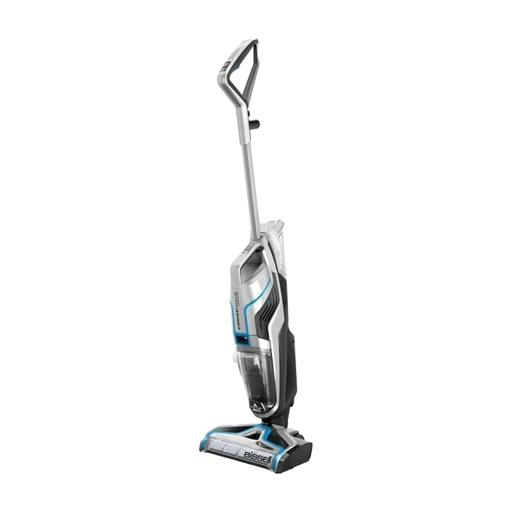
Why This Fits Their Persona: Ideal for households with children or pets where spills happen frequently. The cordless freedom allows you to clean up spilt milk, food scraps, or dirty paw prints immediately, without having to set up a bulky appliance.
The self-cleaning function rinses dirt and debris from the brush roll after use. This reduces manual cleaning effort and counteracts the 'self-cleaning sham'.
Combines vacuuming, mopping, and drying in one step. The dual-tank system ensures a consistently hygienic clean with fresh water.
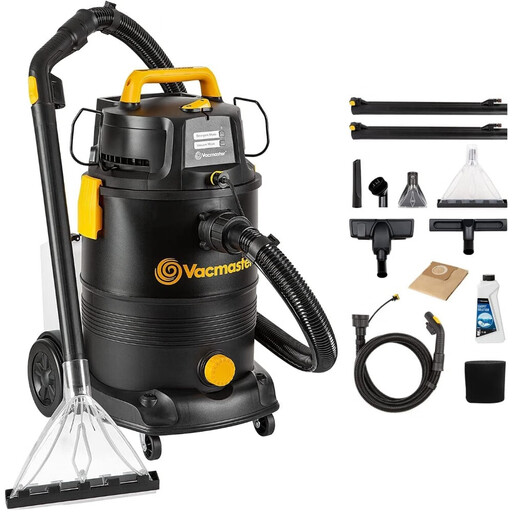
Why This Fits Their Persona: For users who want to deep clean not only hard floors but also carpets, upholstery, or their car. This device is a robust all-rounder for spring cleaning or demanding cleaning tasks.
As a corded model, it completely bypasses the 'battery trap'. It delivers a constant 1300 watts of power for sustained and powerful cleaning jobs without losing suction.
Large capacity with a 30-litre collection tank and a separate 6-litre detergent tank. Ideal for large areas and for cleaning carpets and upholstery.
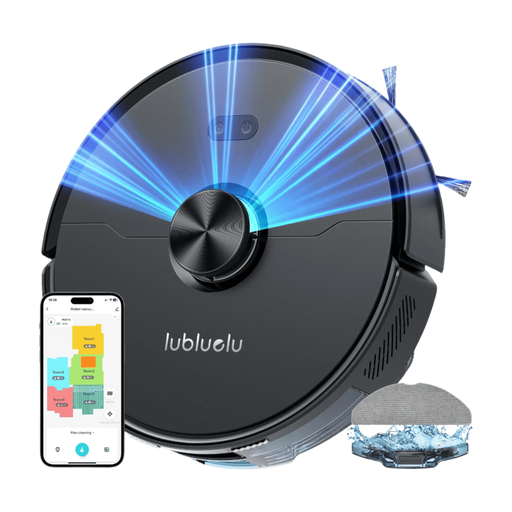
Why This Fits Their Persona: Perfect for tech-savvy users looking for a "set-it-and-forget-it" solution. The robot handles daily floor care completely automatically, freeing you up to focus on other things.
The fully automatic station washes and dries the mop pads independently with hot air. This effectively addresses the 'self-cleaning sham' by reducing manual maintenance to a minimum.
Precise laser navigation (LiDAR) for systematic cleaning and mapping. The high suction power of 4000 Pa is also suitable for pet hair and carpets.
We have compiled a complete, up-to-date list of products that fully meet these strict selection criteria and rigorous safety standards.
Maintenance intervals depend heavily on the frequency of use and the type of dirt. As a rule of thumb, the dirty water tank should be emptied and rinsed after each use to prevent odours. The filter should be cleaned weekly under running water and allowed to dry completely. The brush roll should be regularly checked for tangled hair and threads and cleaned as needed. Always refer to the manufacturer's specific instructions.
Most vacuum mops are designed for sealed hard floors like tile, vinyl, laminate, and sealed parquet or wood floors. Caution is advised for unsealed, oiled, or waxed wood floors, as well as for delicate natural stone. Before purchasing, check the manufacturer's specifications regarding suitability for your floor type. Good devices feature adjustable water flow to prevent oversaturating the floor.
A vacuum mop is typically an upright, handheld device specifically designed for combined floor cleaning (vacuuming and mopping) in a household setting. It uses rotating brushes and a dual-tank system. A classic wet-dry vacuum is often a larger, canister-style unit primarily intended for workshops, garages, or renovation projects. It can suck up large amounts of liquid and coarse debris but generally does not have an integrated, active mopping function with a brush roll for everyday floor care.