
Lieferung heute & morgen

Qualitätsgarantie
App herunterladen
Kategorien
A rocking chair is a piece of seating mounted on two curved runners, which allows for a rhythmic back-and-forth motion. This design distributes the user's weight and creates a gentle rocking movement with minimal shifts in body weight. Selecting the right model depends on specific requirements for material, function, and design. This guide analyses the technical parameters relevant for an informed purchasing decision.
The decision to purchase a rocking chair or a glider chair should be based on an analysis of its construction, the materials used, and the features offered.
The most fundamental distinction lies in the movement mechanism.
The durability and comfort of a rocking chair are largely determined by its materials.
Additional features enhance practical utility and comfort.
The following models were selected based on their technical specifications and functional features.
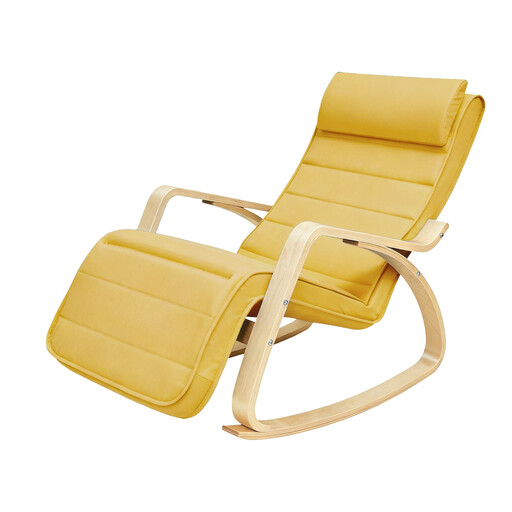
Why We Recommend This Product: This glider chair combines a birchwood frame with an internal metal structure, ensuring a high weight capacity of up to 150 kg. The five-position adjustable footrest and high-density foam padding offer customisable comfort. The removable cotton cover makes cleaning easy.
Pros:
Who It's For: Individuals looking for an ergonomic glider chair with a Scandinavian design for their living room or reading room, who value a high weight capacity and an adjustable footrest.
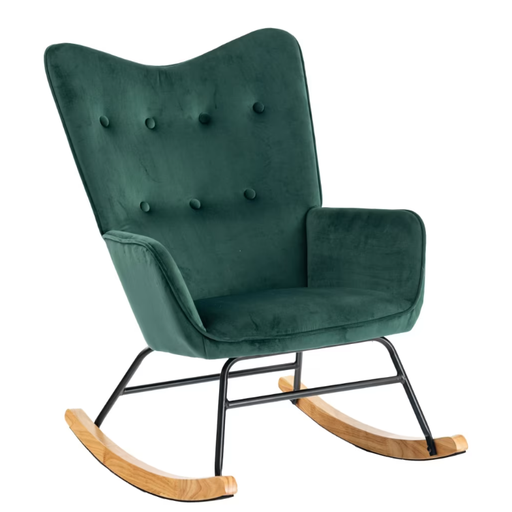
Why We Recommend This Product: This model is a modern rocking chair upholstered in green velvet. The construction of beech and plywood combined with a steel frame ensures stability. The maximum rocking angle of 30 degrees allows for a gentle, controlled motion. A key practical advantage is that the chair arrives fully assembled.
Pros:
Who It's For: Design enthusiasts looking for a stylish accent piece for their living room or bedroom. This model is suitable for users who prefer a ready-to-use rocking chair with a modern design and easy-care velvet upholstery.
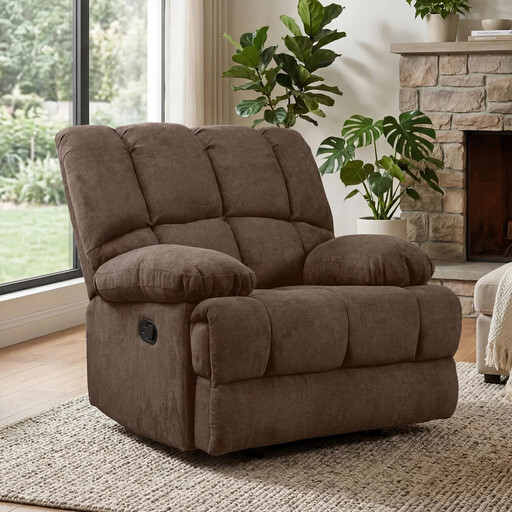
Why We Recommend This Product: This chair is a hybrid of a rocking chair and a recliner with a manual reclining function. It is designed for a high load capacity of up to 350 lbs (approx. 158 kg). The chenille fabric upholstery is both durable and soft. The backrest can be tilted from 90° to 150°, making it a versatile TV chair. Assembly is simplified thanks to its 90% pre-assembled design.
Pros:
Who It's For: Users seeking maximum comfort and functionality. Ideal as a TV chair or for individuals who need a high weight capacity, a wide seat, and the ability to recline the backrest.
If the featured models do not exactly match your requirements, you can find a wider selection of chairs with different designs, materials, and functions in our [Rocking Chairs] category.
1. What is the difference between a rocking chair and a glider chair? A rocking chair rests on two curved runners and creates a rocking motion through shifts in weight. A glider chair has a stationary base in which the seat is suspended, producing a smooth gliding motion. Glider chairs typically require less space.
2. What materials are suitable for a living room rocking chair? For the frame, hardwoods like beech or flexible woods like birch are a good choice due to their durability and stability. For upholstery, durable and easy-care fabrics such as cotton, chenille, or even velvet for a distinctive look are recommended. The choice depends on the desired aesthetic and the expected level of use.
3. How much space does a rocking chair need? A classic rocking chair needs sufficient clearance in front of and behind the runners to allow for a full rocking motion without bumping into anything. Plan for at least 60–80 cm of extra space in depth. A glider chair has a defined range of motion and therefore requires less space, usually just a few centimetres beyond the frame's footprint.