
Lieferung heute & morgen

Qualitätsgarantie

Willkommens-Angebote freischalten: KOSTENLOSE Lieferung | Bis zu 80 % RABATT | Kostenlose 30-Tage-JoyPlus-Testphase
App herunterladen
Bringing the elegance of bygone eras into your home without the hassle of extensive renovations is a common desire. The opulent yet playful Rococo style, in particular, captivates many who wish to add a touch of classic luxury to their living space. However, traditional wallpapering with paste and a pasting table often presents a significant barrier, especially in rental apartments or for quick makeover projects.
As a Joybuy Product Recommendation Officer, I see it as my mission to introduce you to practical and straightforward solutions. This article focuses on Rococo peel and stick wallpaper—a modern alternative that allows you to quickly beautify walls and furniture without making permanent changes. Here, you'll find useful tips for selecting the right product and an overview of specific options to help you make an informed decision.
Before you decide on a Rococo peel and stick wallpaper, there are a few practical aspects to consider to ensure a satisfying result.
Most peel and stick wallpapers are made of PVC vinyl. This material has the advantage of being robust and long-lasting. A crucial feature is a washable wallpaper with a surface that is resistant to moisture. This makes it easy to clean with a damp cloth and also suitable for areas like the dry section of a bathroom or hallways. Pay attention to the material description to ensure the self-adhesive wall film meets your durability requirements.
The success of a project with peel and stick wallpaper hinges on the surface. The film will only adhere reliably to smooth, clean, dry, and dust-free surfaces. This includes painted walls (with fully cured paint), sealed wood panels, lacquered furniture, or interior doors. Rough or textured surfaces like wood-chip wallpaper or unplastered walls are unsuitable, as the adhesive film will not stick evenly and the texture would show through. Thorough cleaning and preparation of the area are therefore essential.
Especially with ornamental designs like a Baroque wallpaper or a vintage wallpaper, the pattern repeat is a key factor. To achieve a seamless look, the strips must be aligned precisely. When purchasing, plan for enough extra material (usually an additional 10–15%) to be able to match the pattern perfectly. Compare the roll dimensions (width and length) with the area you plan to cover to correctly calculate the number of rolls needed, especially if you want to create a full accent wall.
Here, we present three variations of a Rococo-style peel and stick wallpaper, each distinguished by different colour schemes and applications.
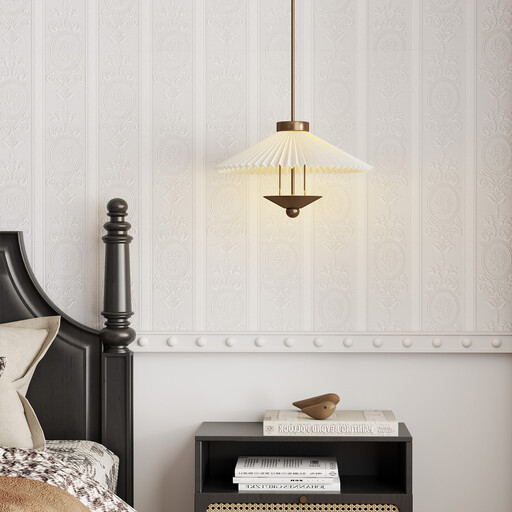
Why It Stands Out: The vertical Rococo pattern in a soft beige tone creates a subtle, decorative texture without overpowering the room. The neutral colour scheme blends harmoniously with many existing interior styles.
Benefits:
Who It's For? This model is an excellent choice for anyone looking to add a subtle, classic accent. It is ideal for enhancing the end of a hallway, side walls next to vanities, or as a patterned furniture film to upgrade dressers and cabinets.

Why It Stands Out: The black damask pattern in the Rococo style creates a dramatic and luxurious depth. The longer roll length ensures fewer seams and a continuous appearance on larger surfaces.
Benefits:
Who It's For? This wallpaper is for those who want to make a bold statement. It is perfectly suited for creating an impressive accent wall behind the sofa in the living room or as a headboard alternative in the bedroom.
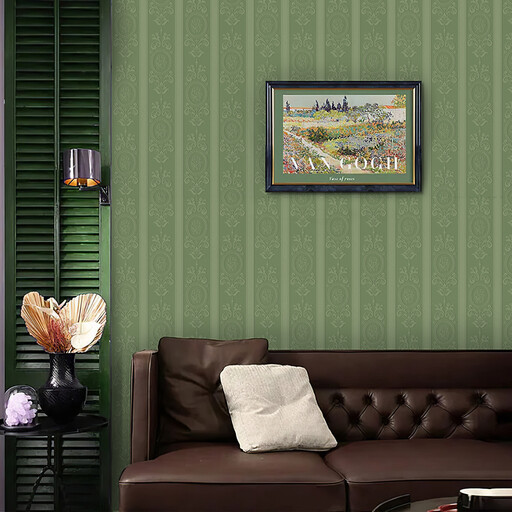
Why It Stands Out: The muted green tone of the vertical Rococo pattern creates a calm yet elegant atmosphere. The 3D ornamental wallpaper gives the wall a visual rhythm without being overbearing.
Benefits:
Who It's For? Perfect for users seeking a classic, textured wall design in a calming hue. The longer roll makes it particularly practical for larger, continuous surfaces where a seamless finish is desired.
If the options presented here don't quite match what you're looking for, or if you'd like to explore a wider range of patterns and styles, you can find more options for your next DIY project in our self-adhesive vinyl wallcoverings category.
It is generally not recommended. The uneven texture of wood-chip wallpaper prevents the adhesive film from achieving full, lasting adhesion. Furthermore, the texture of the wood-chip would remain visible through the thin film, compromising the aesthetic result. Smooth surfaces are required for an optimal outcome.
Removal is typically straightforward. Gently heat the wallpaper with a hairdryer on a low setting to soften the adhesive. Then, start at a corner and slowly pull the film away from the wall at a shallow angle. Any remaining adhesive residue can usually be removed with a cloth soaked in soapy water. However, the final result also depends on the condition of the original wall surface.
As a rule of thumb, it is advisable to plan for about 10–15% more material than the actual surface area. For patterns with a large repeat, slightly more extra material may be necessary to ensure the patterns align perfectly at the seams. Measure the area accurately and include this buffer in your order calculation.