
Lieferung heute & morgen

Qualitätsgarantie

Willkommens-Angebote freischalten: KOSTENLOSE Lieferung | Bis zu 80 % RABATT | Kostenlose 30-Tage-JoyPlus-Testphase
App herunterladen
Choosing the right rod and reel combination is crucial for dedicated anglers. Unsuitable equipment not only leads to frustration on the water but can also be a costly bad investment. Especially when specifically targeting predatory fish like perch or sea bass in freshwater and saltwater, small details in the equipment often separate success from failure. This guide will help you bypass common marketing traps and make an informed purchasing decision.
Before we dive into the key parameters, you should be aware of three common issues that lead to poor purchasing choices:
To find the right gear, focus on the following technical features that directly impact your fishing experience.
The choice of reel type is fundamental. A spinning reel is versatile, easy to handle, and ideal for fishing with light to medium-weight lures. It is a solid choice for spin fishing for perch and zander.
For fishing with heavier lures, more precise lure control, and more power during the fight, a baitcaster reel is the better option. It allows for a direct line feed and very accurate cast placement, which is particularly advantageous when fishing around snag-heavy structures.
When fishing in the sea, a dedicated saltwater reel is essential. Look for the following features:
The rod is an extension of your arm. Its characteristics determine how well you can present the lure and convert a bite.
Here are some product recommendations tailored to specific angler profiles.
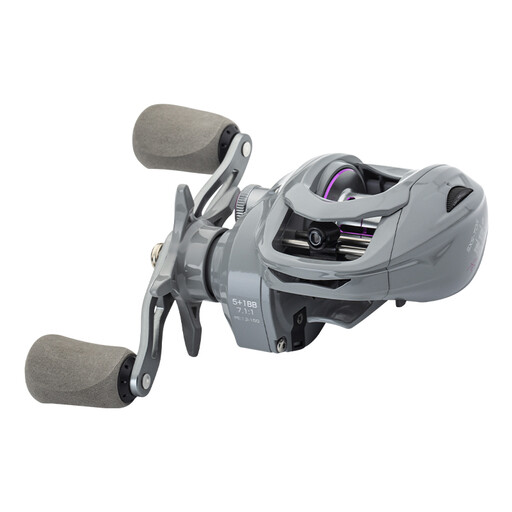
Why This Fits Their Persona: Ideal for anglers who need a robust and reliable reel for spin fishing in both freshwater and along the coast. Its construction is designed for durability and casting distance.
This reel bypasses the "saltwater-ready" trap with an aluminum body and a construction explicitly designated as corrosion-resistant.
The long-cast spool facilitates greater casting distances, which is crucial for shore angling. Its metal body provides stability when fighting powerful fish.

Why This Fits Their Persona: Perfect for the experienced angler who wants to cast for hours without fatigue while achieving maximum precision in lure presentation. A classic baitcaster reel for targeted predator fishing.
This reel avoids the unbalanced setup trap. As a lightweight reel, it pairs ideally with modern, lightweight carbon rods for a perfectly balanced combo.
Its low weight reduces fatigue during active fishing techniques. The baitcaster design allows for superior control over the cast and lure.
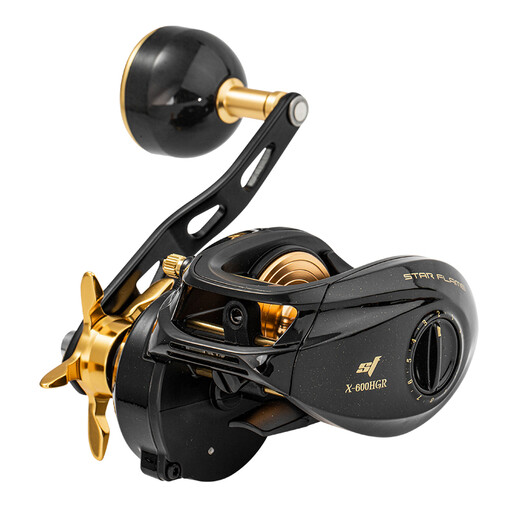
Why This Fits Their Persona: Designed for anglers who need maximum casting distance to reach fish far from shore, such as in surfcasting or from a pier.
This model is designed as a specialized long-cast reel, solving the problem many standard reels face when they hit their limits with heavy weights and long distances.
The large, tapered spool ensures clean line release and exceptional casting distance. Its robust construction is built to handle the stress of targeting large fish.
We've compiled a complete, up-to-date list of products that meet these strict selection criteria.
After every use in saltwater, thoroughly rinsing the reel with fresh water is highly recommended to remove salt deposits. A full service, which involves disassembling, cleaning, and re-greasing the reel, should be performed at least once per season, depending on frequency of use, to maximize its lifespan.
Standard baitcaster reels are optimized for casting weights starting from around 7-10 grams. For lighter lures, they often lack the necessary casting performance and are prone to line tangles ("bird's nests"). For ultra-light fishing, there are specialized BFS (Bait Finesse System) reels, but for most lightweight applications, a spinning reel is the simpler and more effective choice.
A suitable sea fishing rod for targeting sea bass from the shore is typically a spinning rod with a length of 2.40 m to 3.00 m (approx. 8 to 10 ft). Look for a fast rod action for good lure control and bite detection. The casting weight should match your preferred lures, often in the 15-50 g range. Also crucial are corrosion-resistant guides and a sturdy reel seat that can withstand the aggressive saltwater environment.