
Lieferung heute & morgen

Qualitätsgarantie

Willkommens-Angebote freischalten: KOSTENLOSE Lieferung | Bis zu 80 % RABATT | Kostenlose 30-Tage-JoyPlus-Testphase
App herunterladen
As an owner of rabbits, guinea pigs, or hamsters, you want only the best for your small companions. However, the market for rodent food can be overwhelming. Colourful packaging and tempting marketing claims make the choice difficult and often lead to poor purchases that can harm your pet's health.
This guide, created by your Joybuy Product Recommendation Officer, will help you identify the common pitfalls. We'll show you which objective criteria truly matter, so you can make an informed decision for a species-appropriate small pet food.
Many products are designed to appeal to the owner rather than meet the animal's needs. Watch out for these three common problems:
To distinguish marketing hype from genuine quality features, you should check three key aspects before buying.
For herbivores like rabbits and guinea pigs, a high crude fibre content in their food is essential. It not only keeps their digestive system moving but also promotes the vital wear of their constantly growing teeth.
Correctly classifying the product is crucial for a balanced diet.
Vitakraft Menu Vital or Vitakraft LIFE Power.Check the ingredients list carefully. A species-appropriate formula is essential.
Here are some products from our range, tailored to different keeping requirements and animal species.
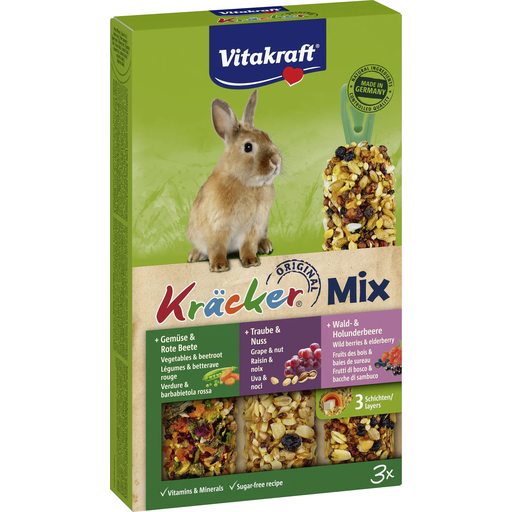
Why this product is a good fit: Ideal for owners who want to provide their dwarf rabbits with varied and long-lasting enrichment. The three different flavours ensure variety.
According to the manufacturer, the formula has no added sugar and is clearly declared as a complementary feed. This avoids the pitfall of hidden sugar and incorrect use as a main feed.
The triple-baked structure on a wooden stick encourages intensive gnawing, which supports natural behaviour and dental wear.
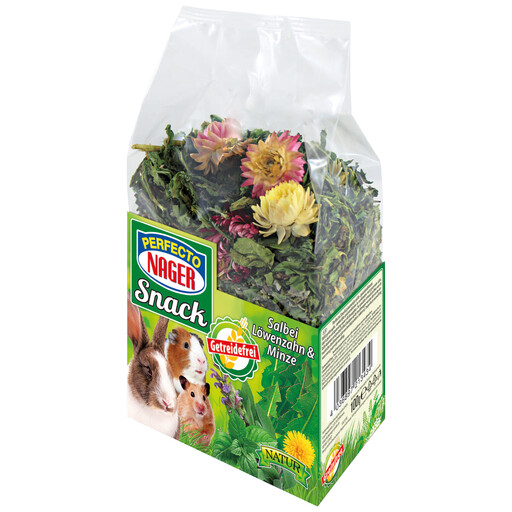
Why this product is a good fit: Perfect for owners looking for a natural, grain-free supplement to their pet's daily hay. It consists of pure, dried plant parts.
This product avoids the pitfall of colourful mixes and vague "natural" claims with a transparent and simple ingredients list. It is 100% grain-free.
The mix of dandelion, sage, and mint offers species-appropriate variety and can enhance the daily hay ration without burdening the diet with unnecessary calories.
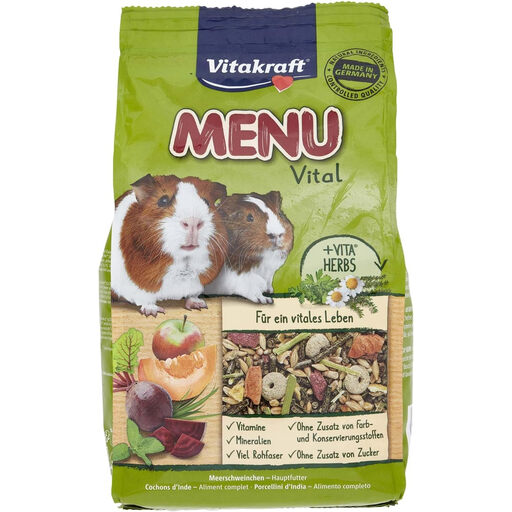
Why this product is a good fit: A solid choice for guinea pig owners looking for a reliable complete feed that is specially tailored to the needs of their pets.
This food is designed as a complete feed and, according to the manufacturer, contains the vital addition of Vitamin C for guinea pigs. The formula is sugar-free, and the high crude fibre content (12.5%) supports digestion.
The mixture contains VITA HERBS, a selection of herbs like thyme and peppermint, as well as a complex to reduce odours in your pet's home.
We have compiled a complete, up-to-date list of products that fully meet these strict selection criteria and German regulations.
The healthiness of rodent chew sticks depends heavily on their composition. Models with a high sugar, honey, or grain content are more like a sweet treat and should only be given very rarely. A better alternative are sticks based on a sugar-free formula, made from herbs, vegetables, and seeds. They primarily serve as enrichment and for dental wear and should always be just a supplement to the main diet of hay and a balanced complete feed.
The foundation of a rabbit's or guinea pig's diet should always be unlimited access to high-quality hay. The structured rabbit food or guinea pig food in pellet form serves to supplement and ensure nutrient intake. A common recommendation is about 1–2 tablespoons per kilogram of the animal's body weight per day. This amount can vary depending on the product, age, and activity level of the pet. Always follow the feeding recommendations on the packaging.
No, this is not recommended. Their nutritional needs are very different. Hamster food is designed for omnivores and often contains animal proteins and a higher grain content. Guinea pigs are strict herbivores and require a high-fibre, low-grain diet. However, the most critical difference is that guinea pigs must get Vitamin C from their food, whereas hamsters can produce it themselves. Guinea pig food is therefore specially fortified with Vitamin C, which is absent in hamster food. Incorrect feeding can lead to severe deficiencies.