
Lieferung heute & morgen

Qualitätsgarantie

Willkommens-Angebote freischalten: KOSTENLOSE Lieferung | Bis zu 80 % RABATT | Kostenlose 30-Tage-JoyPlus-Testphase
App herunterladen
Role-play toys are one of the fundamental building blocks of child development. They allow children to imitate everyday situations, practice social skills, and let their imaginations run wild. But the market is overwhelming and filled with products whose actual play value often falls short of their marketing promises. Many parents and relatives invest in toys that end up sitting unused in a corner after a short time.
This guide serves as a compass to navigate the options. It highlights the common pitfalls to avoid and the objective criteria you should look for to find a durable and stimulating toy.
Before we get to the recommendations, it's important to understand the typical problems that lead to disappointment and unnecessary expense.
To avoid these pitfalls, you should base your purchase decision on three objective parameters.
The choice of material directly impacts durability, safety, and the play experience.
The "Educational toy for ages 3 and up" label is more than just a recommendation regarding small parts that pose a choking hazard. It also relates to the child's cognitive and motor skills.
A good role-play toy stimulates the imagination rather than limiting it.
Here are some product recommendations tailored to different needs and play preferences that meet the quality criteria mentioned.

Why it's a great fit: Ideal for families looking for a durable, central play station. Thanks to its height-adjustability, the kitchen grows with the child, providing a solid foundation for role-play for years to come.
The sturdy FSC-certified wood avoids the pitfall of poor material quality. The light and sound effects are limited to the cooktop, supporting play rather than dominating it.
The height-adjustability (91 cm to 95 cm) ensures ergonomic use for several years. Includes metal and wood accessories.
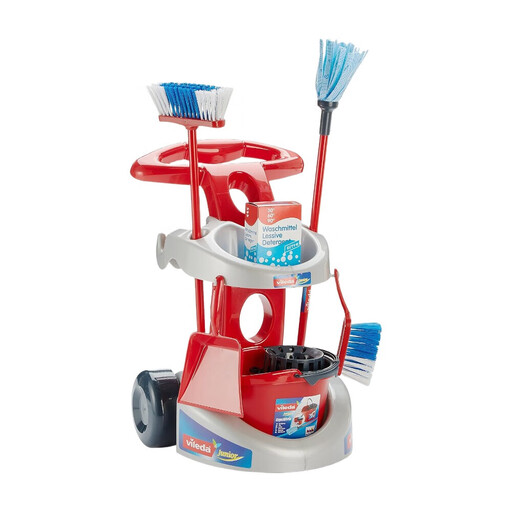
Why it's a great fit: Perfect for children who love to help around the house. This set offers an excellent entry point into the world of household toys without requiring a major investment.
This set bypasses the feature trap by relying entirely on the child's imagination. There are no batteries or sounds, just sturdy accessories for active, creative play.
Comprehensive set with a trolley, mop, bucket, broom, and dustpan set. The trolley keeps things tidy and adds mobility to the play.
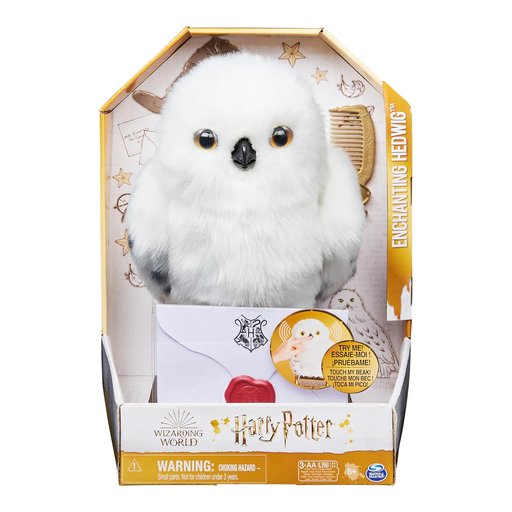
Why it's a great fit: An ideal gift for kids who are fans of the Harry Potter universe. The interactive elements create a particularly immersive play experience, bringing the magic to life.
Although it is a toy with functions, its 15+ sounds and movements are directly tied to the character's role (e.g., delivering letters), thus enhancing thematic role-play rather than restricting it.
Hedwig responds to touch and tone of voice, allowing for dynamic interaction. Includes accessories like a Hogwarts envelope and a comb.
We have compiled a complete, up-to-date list of products that fully meet these strict selection criteria and all relevant safety regulations.
Both materials have their advantages. Wood is typically very durable, stable, and offers a classic tactile feel. Look for FSC-certified products here. High-quality plastic is lighter, often more affordable, and enables features like lights or water pumps. The choice depends on the desired play scenario, the child's age, and your budget.
Electronic toys should never be submerged in water. Wipe the surfaces with a slightly damp cloth and ensure the battery compartment remains dry. Detachable, non-electronic parts, like pots or plates, can usually be washed normally. Always follow the manufacturer's cleaning instructions.
Most models are recommended for children ages 3 and up, as this is when imitative play begins. Simple, sturdy models are suitable for beginners. For older children, around age 5 and up, larger, more detailed kitchens—especially height-adjustable wooden models—offer longer-lasting play appeal.