
Lieferung heute & morgen

Qualitätsgarantie

Willkommens-Angebote freischalten: KOSTENLOSE Lieferung | Bis zu 80 % RABATT | Kostenlose 30-Tage-JoyPlus-Testphase
App herunterladen
Choosing the right toy for a child can be a challenge. It should not only be entertaining but also safe and supportive of their development. Role-playing toys offer an excellent way to playfully encourage imagination, social skills, and motor abilities. In this article, we'll introduce a selection of role-playing toys and provide objective criteria to help you with your decision.
As a Joybuy Product Recommendation Officer, my role is to provide you with a factual and well-founded overview so you can make an informed choice.
To find the right toy that matches a child's needs and developmental stage, the following points can serve as a guide.
The manufacturer's age recommendation is a key indicator. A gift for children aged 3 and up is typically designed without small, swallowable parts and considers the motor skills of this age group. Look for the CE mark, which confirms that the product meets current EU safety standards. The materials should be robust and free of harmful substances.
Different playsets foster different skills. A children's tool case, for example, trains fine motor skills and technical understanding. A toy doctor's kit can help develop empathy and reduce anxiety about doctor visits by familiarizing them with the situation through playing doctor. Observe the child's interests: Do they imitate manual tasks, or do they prefer to care for their stuffed animals? The right educational toy will tap into these inclinations and specifically promote imagination and creativity.
High-quality craftsmanship ensures durability and safe play. Brands like Theo Klein, which produce licensed Bosch toys, for example, emphasize detailed and sturdy replicas. The scope of accessories is also a factor. A set with a wide variety of parts offers more play possibilities and can stimulate creativity for longer.
Here is a curated selection of toys that stand out for their design and features.
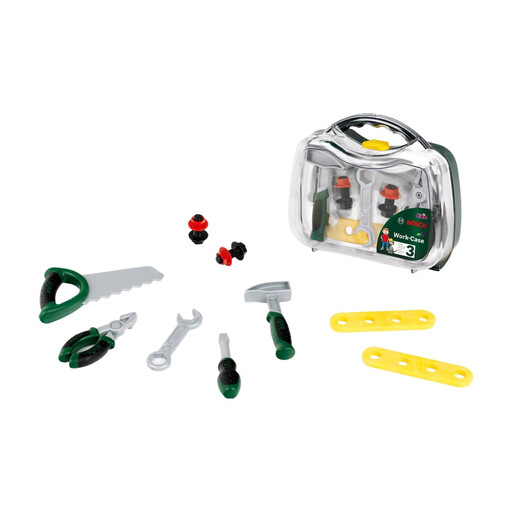
Why it stands out: This tool case in an authentic Bosch design offers a solid basic kit for little craftspeople. The transparent case provides a quick overview of the included children's tools, and the practical carrying handle makes it portable.
Pros:
Who is it for? This set is a great choice for children aged three and up who enjoy building, constructing, and imitating adults in their handy work.
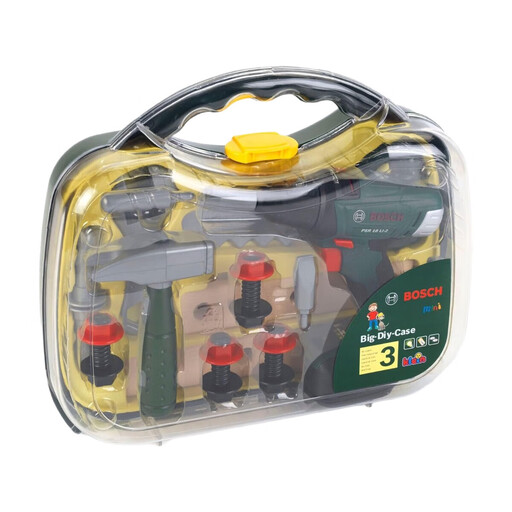
Why it stands out: The highlight of this set is the battery-powered Bosch cordless screwdriver with realistic functions. Light and sound effects, as well as rotating, interchangeable bits, provide an especially interactive play experience.
Pros:
Who is it for? Ideal for children aged three and up who are fascinated by technology and are looking for an interactive toy with realistic functions.
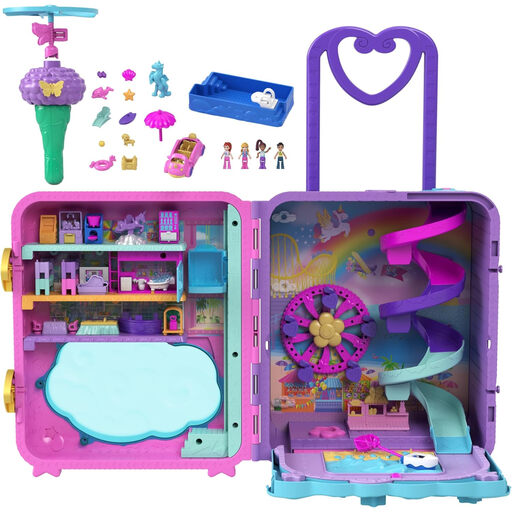
Why it stands out: This Polly Pocket playset is a world of play and storage in one. The rolling case unfolds into a three-story hotel with a beach and boardwalk, offering numerous play areas for imaginative holiday adventures.
Pros:
Who is it for? Recommended for children aged four and up who love creating detailed worlds, telling stories, and want to take their toys with them on the go.
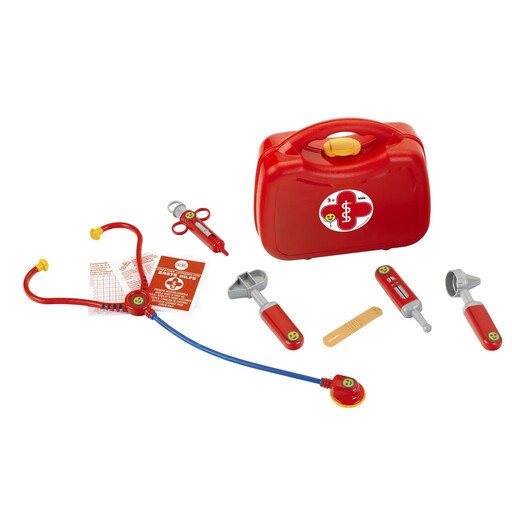
Why it stands out: This classic doctor's case contains the most important instruments for little medics. The child-friendly design of tools like the stethoscope, otoscope, and reflex hammer makes medical check-ups an understandable game.
Pros:
Who is it for? A great choice for children aged three and up who are interested in playing doctor and enjoy taking on caring roles.
Didn't find the right set in this selection, or are you looking for specific accessories? In our category for playsets and accessories, you'll find more variations and add-ons.
Discover our diverse selection of Case Accessories.
1. From what age are role-playing toys beneficial? Role-playing often begins as early as two to three years of age, when children start to imitate everyday activities. More structured educational toys like tool cases or doctor's kits are typically designed for children aged three and up, as this is when they can engage in more complex scenarios and have developed the fine motor skills needed to handle the accessories.
2. How does role-playing support my child's development? Role-playing is a crucial building block for child development. It fosters social skills like empathy, communication, and cooperation. At the same time, cognitive abilities such as problem-solving and planning are trained. Inventing stories and dialogues expands vocabulary and stimulates creativity.
3. What should I look for regarding the safety of children's tools? With toy tools, it's important to look for rounded edges and a sturdy construction to ensure no small parts can break off. The materials used should be non-toxic. The CE mark on the packaging signals that the product meets EU safety requirements. Adult supervision is always recommended for children under three years of age.