
Lieferung heute & morgen

Qualitätsgarantie

Willkommens-Angebote freischalten: KOSTENLOSE Lieferung | Bis zu 80 % RABATT | Kostenlose 30-Tage-JoyPlus-Testphase
App herunterladen
Roller blinds and pleated blinds that fit without drilling are handy for rented homes, quick renovations and windows with frames you want to keep intact. However, disappointing purchases are often down to more than just design: incorrect measurements, unsuitable frames and unclear information about blackout performance and thermal protection can all cause problems.
Check these three common pitfalls before you buy:
First, measure the width of the glass, the height of the entire window frame and the position of the handle. For day and night blinds, it’s often recommended that you choose a width around 4 cm wider than the glass. This allows the fabric to cover more of the window at the sides.
For pleated blinds with no-drill clamp brackets, check whether the product is designed to cover the whole frame or just the glass. Before ordering, compare the measurements in the product description with your own window.
Also make sure the blind won’t obstruct the handle. For roller blinds fitted to windows and doors, you’ll also need to consider how the door opens, the frame thickness and the space available for fitting.
A no-drill clamp roller blind attaches directly to the window frame. This fitting method is particularly handy in rented homes, as long as the frame is within the stated thickness range. Some models also include the fittings needed for screw mounting.
Pleated blinds with clamp brackets usually come with adjustable brackets, and some can also be fitted with adhesive strips or suction cups. Suction cups need a smooth, clean surface and aren’t suitable for textured or dirty surfaces.
Before you buy, check:
According to their product descriptions, several of the WOLTU models featured here aren’t suitable for roof windows or wooden windows.
A privacy roller blind for a window can reduce visibility from outside without making the room completely dark. A light-filtering pleated blind is often enough for a living room, kitchen or home office. In a bedroom, a blackout roller blind that fits without drilling may be a better choice.
A day and night blind combines alternating strips of transparent and opaque fabric. Slide the layers to adjust how much light comes in. For a thermal roller blind or blackout honeycomb pleated blind, check the details about the backing and material. According to the product description, a silver-coloured coating can reflect light, but this doesn’t tell you what temperature the room will reach.
Polyester is commonly used in the products featured here. They can usually be cleaned with a soft cloth, a soft brush or a slightly damp cloth. Harsh cleaning products may damage the surface.
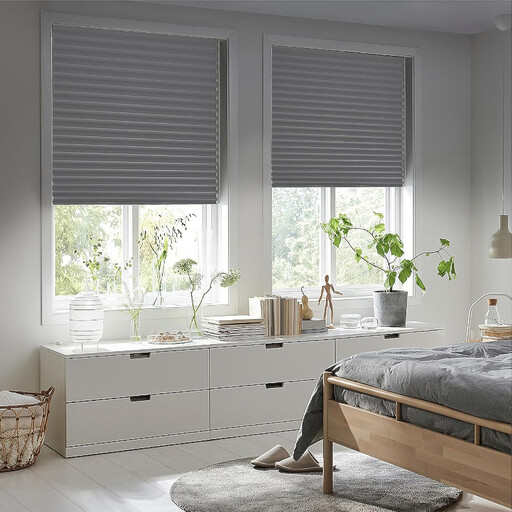
Why it suits this type of buyer: This model has light-filtering fabric and can be fitted using clamps or adhesive. It’s a good choice if you’re looking for simple privacy in a living room, kitchen or home office.
The product description clearly states that the fabric is light-filtering. That way, you won’t mistake it for a blind that provides complete blackout.
Light-filtering polyester fabric, with flexible no-drill fitting using clamps or adhesive.

Why it suits this type of buyer: The double honeycomb structure, metal frame and top and bottom operating handles will appeal if you value controlled light levels and a sturdy design.
The required frame thickness of 10–23 mm is specified, so you can check before buying whether the clamp brackets will fit your window or door frame.
100% polyester according to the product description, adjustable clamp brackets and top-and-bottom operation.
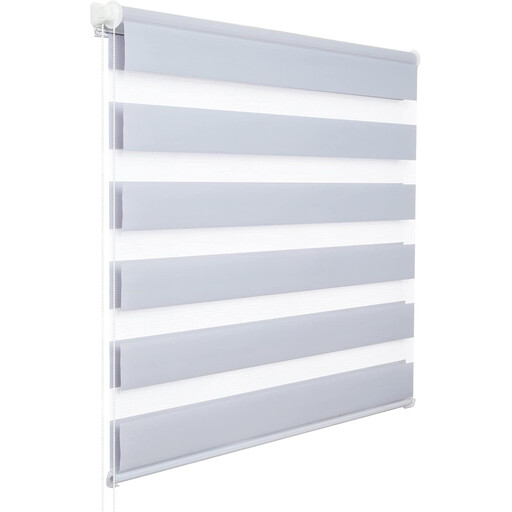
Why it suits this type of buyer: This double-layer roller blind is a good fit for rooms where you want to adjust the light regularly, such as a bedroom, bathroom, kitchen, home office or balcony door.
The product description specifies a suitable frame thickness of 13–23 mm and notes that the fabric is around 4–5 cm narrower than the overall width.
Alternating transparent and opaque fabric strips, with the controls able to be fitted on either the left or right.
We’ve put together a complete, regularly updated list of products that meet these strict selection criteria and fully comply with the safety regulations in force in the EU.
Clean the frame before fitting and check that the clamp brackets sit flush. For adhesive or suction-cup fittings, the surfaces need to be dry, smooth and free from grease. Once fitted, check that the window still opens and tilts easily.
For roller blinds with a chain, keep it out of children’s reach. Cordless models with an operating handle can be a practical alternative for households with children or pets. Keep small fitting parts out of children’s hands while assembling the blind.
How well they last depends on the fit, material, how they’re operated and how they’re installed. A clamp roller blind will usually stay secure if the frame thickness is within the manufacturer’s stated range. Adhesive and suction-cup fittings can lose their grip if exposed to dust or moisture, or used on uneven surfaces.
First, measure the width of the glass and the height of the entire frame. Also check the clearance around the window handle. Double roller blinds may need to be wider than the glass, while pleated blinds have different measurement requirements depending on the fitting method. Always follow the measurements in the product description.
Clamp fittings and some adhesive options are suitable for rented homes because they don’t leave drill holes. Even so, check before fitting whether the brackets might touch the frame or leave pressure marks. Not every interior roller blind is suitable for roof windows, wooden windows or unusual frame shapes.