
Lieferung heute & morgen

Qualitätsgarantie

Willkommens-Angebote freischalten: KOSTENLOSE Lieferung | Bis zu 80 % RABATT | Kostenlose 30-Tage-JoyPlus-Testphase
App herunterladen
Finding a reliable pen can be a challenge. Common problems include uneven ink flow, smudged notes, and an uncomfortable writing experience. A good rollerball pen offers a solution by combining the liquid ink of a fountain pen with the convenience of a ballpoint.
This article serves as your guide. It explains the key features of rollerball pens and presents a selection of models suitable for various uses—from daily office work and academic study to executive purposes.
To find the right model, you should consider a few fundamental characteristics. These criteria will help you make an informed decision based on objective parameters.
The tip is crucial for the final look of your writing. A fine-tipped pen, typically with a 0.5 mm line width, is well-suited for detailed notes, small calendar entries, or precise drawings. A broader tip, such as 0.7 mm, produces a bolder line that is often perceived as smoother and more fluid. It's an excellent choice for everyday use and for a distinctive signature pen. Most rollerballs use a needle point or a conical point, both of which provide a direct and crisp writing feel.
Rollerball ink is typically water-based, which ensures a very light and consistent flow. A key factor to consider is the drying time. A quick-drying pen is especially beneficial for left-handers or fast writers, as it minimises smudging. Look for product descriptions that mention features like "quick-drying," "water-resistant," or "archival-safe" if these are relevant to your needs.
Rollerball pens are available in various designs, from simple plastic models for daily use to high-end metal pens. A refillable rollerball pen is a more sustainable and often more economical option for long-term use. Models made from materials like stainless steel or lacquered brass also offer a premium feel and greater durability, making them a popular choice among executive office supplies.
Based on the criteria mentioned, we have curated a selection of rollerball pens that cater to different needs and applications.
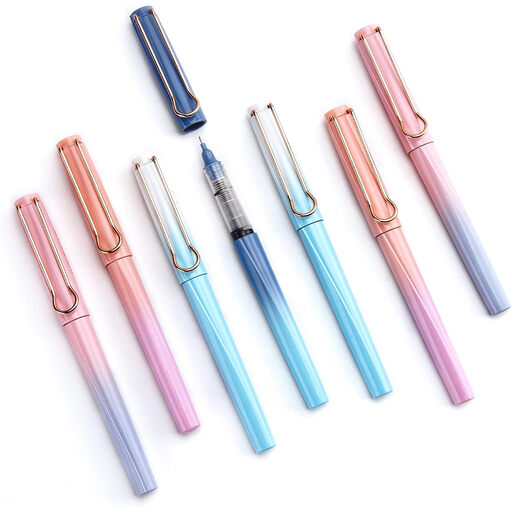
What makes it stand out: This rollerball pen set from WRITECH is designed for efficiency and reliability. The ink is quick-drying and water-resistant, ensuring clean documents and notes. According to the manufacturer, the large ink volume allows for a writing distance of approximately 1,500 metres per pen.
Pros:
Who it's for: Students and professionals who need a large supply of reliable pens for daily use and value a clean, fine script.

What makes it stand out: The PILOT V7 is a classic among rollerball pens. Its Hi-Tecpoint system, featuring a tungsten carbide ball and multiple dimples, ensures a continuous, skip-free ink flow. A practical feature is the ink-view window, which allows you to constantly monitor the ink level.
Pros:
Who it's for: Users looking for a tried-and-true, highly reliable pen for office work or note-taking who appreciate being able to monitor their ink consumption.
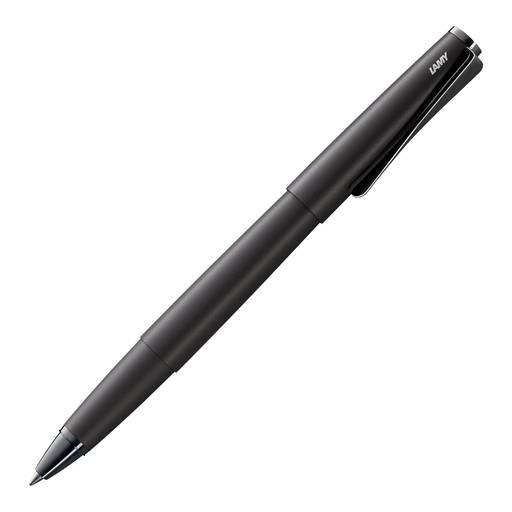
What makes it stand out: The LAMY studio Lx is a premium rollerball pen that merges design with functionality. Its matte black lacquered metal body is complemented by a glossy black PVD-coated, propeller-shaped clip. Unlike standard models, this special edition features a matte black grip section, offering an improved tactile feel and slip resistance.
Pros:
Who it's for: Design-conscious users, executives, and anyone who views a writing instrument not just as a tool, but as a stylish accessory.
A refillable rollerball is a long-term investment. If you are looking for the right black rollerball refill for your model or want to explore other alternatives like fineliner pens, you can find a wider selection here.
The main difference is the ink. Rollerball pens use a liquid, water- or gel-based ink that flows more easily onto the paper, creating a richer script. Ballpoint pens use a thick, oil-based paste that requires more writing pressure but typically lasts longer and doesn't dry out as quickly.
Due to its more liquid consistency, rollerball ink requires a short drying time. Smudging can occur on very smooth paper or for people who write quickly. However, many modern models are designed as quick-drying pens to minimise this issue.
Yes, rollerball pens are very well-suited for signatures. The fluid ink flow creates a bold, dynamic line that makes a signature stand out. For official documents, it is advisable to use a rollerball with document-proof ink, which is water-resistant and forgery-proof.